Artificial intelligence is seeping into every layer of the software we use daily, and today offers three emblematic examples of this shift. On one side, Figma introduces an AI assistant directly on its collaborative canvas; on another, Firefox releases AI guardrails for mobile; and the recent Google I/O 2026 has charted a path toward an increasingly autonomous and conversational ecosystem. These are not isolated updates but pieces of a mosaic that is reshaping our relationship with digital tools.
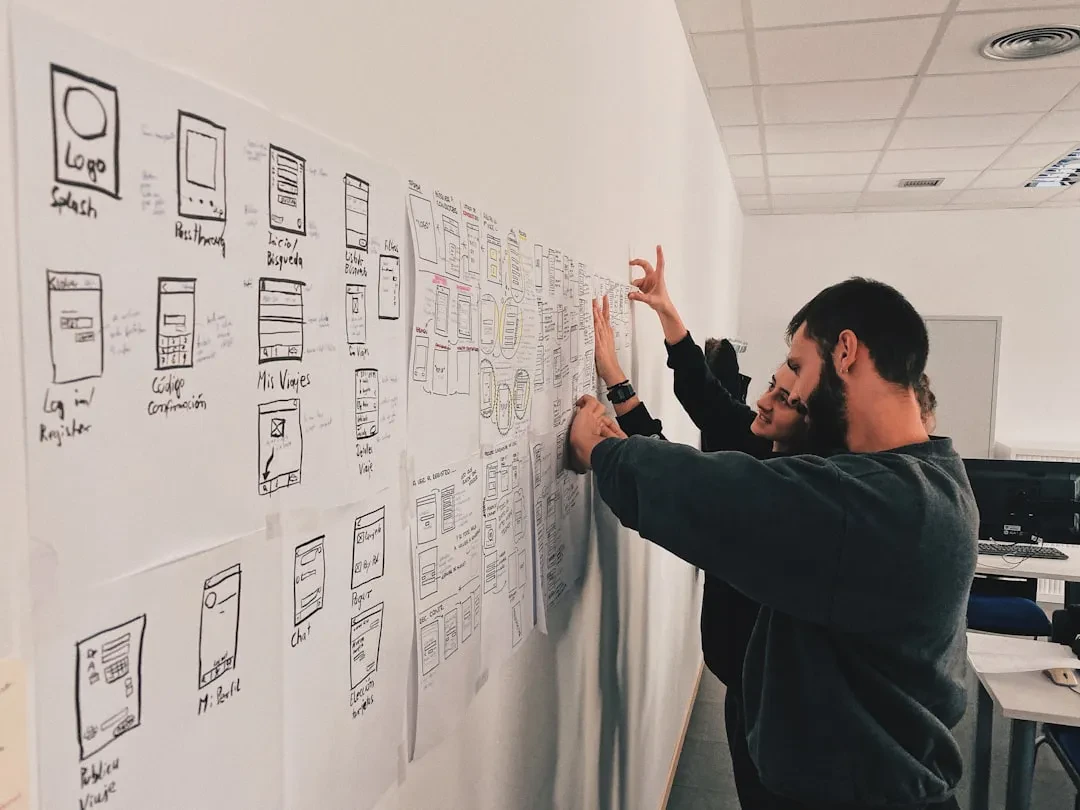
Figma takes a decisive step by integrating a native AI assistant into its platform. Initially available for Figma Design, this tool will allow creatives to generate layout variations, suggest components, and automate repetitive tasks directly within the collaborative workflow. The assistant is not a mere plugin but an integral part of the interface, capable of understanding project context and offering contextual suggestions. For design teams, the impact could be comparable to what GitHub Copilot meant for software development: a drastic reduction in downtime and an increase in experimentation. As we saw with the innovations presented at Google I/O 2026, where Gemini Spark and Antigravity 2.0 rewrote the rules of e-commerce and productivity, Figma aims to democratize creativity through generative AI.
Sponsored Protocol
But not all that glitters is gold. Firefox has launched a crucial feature called AI guardrails for its mobile version. With a single tap, users can turn off all AI enhancements integrated into the browser. This move comes at a time of growing concern over privacy and user control over their data. While companies like Google and Meta push for ubiquitous AI, Firefox responds by offering a simple, transparent escape route. It is a strong signal toward ethical software design, where the user remains at the center of decisions. In a landscape where even Musk's legal defeat against OpenAI is rewriting the rules of AI governance, Firefox's choice is a concrete example of how to implement transparency.
Sponsored Protocol
Google I/O 2026 confirmed that AI will no longer just be an assistant but an agent. The new Gemini models can perform complex actions autonomously, from managing shopping carts to scheduling work tasks. However, the debate over the real utility of these innovations remains open, as many analysts have pointed out. While productivity could explode, there is also the risk of losing control and becoming overly dependent on black-box systems. It is here that Firefox's initiative takes on strategic value: offering a global AI switch is not just a privacy choice but a philosophical statement. Users want the ability to choose when and how to delegate.
The convergence of these events draws a clear line: AI is becoming an infrastructural element, but its large-scale adoption will depend on companies' ability to balance power and control. Figma bets on assisted creativity, Firefox on the freedom to disconnect, Google on total automation. Each vision has its merits and risks. What is certain is that 2026 is marking a turning point: software is no longer a passive tool but an active partner, and it is up to us to define the terms of collaboration. For deeper context, readers can refer to the original sources on TechCrunch about Figma's new assistant and Wikipedia for Firefox's history.
Sponsored Protocol