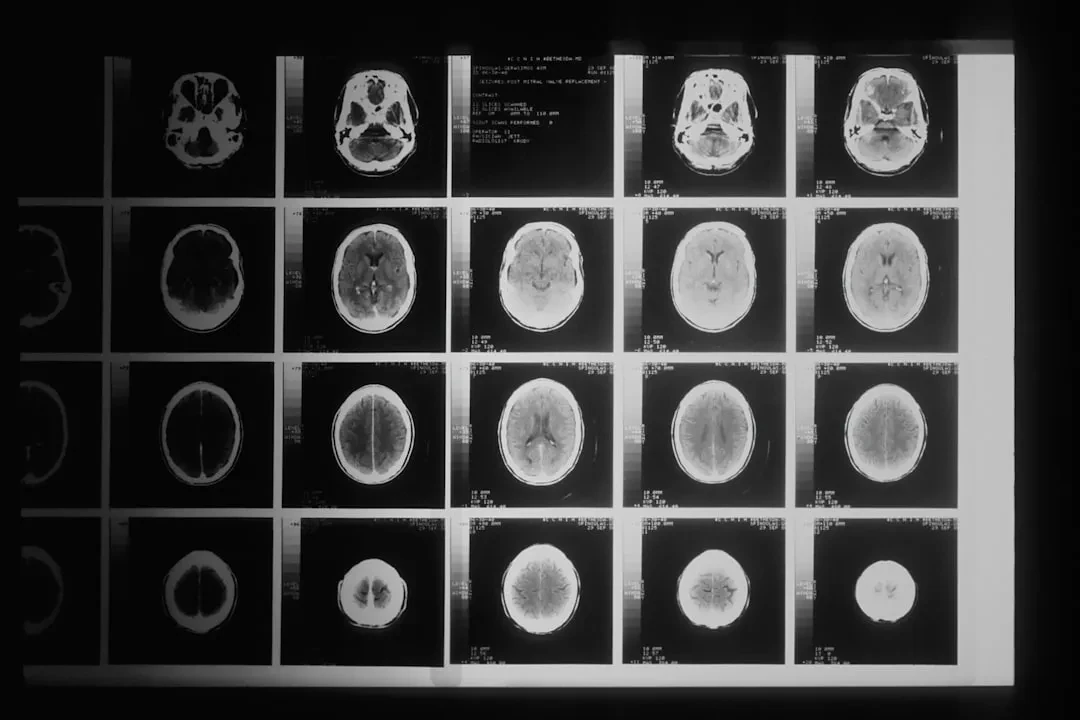
Brain-computer interfaces are advancing rapidly, as demonstrated by Casey Harrell, a man with ALS who became the first 'power user' of a speech brain implant. Meanwhile, while skepticism toward artificial intelligence brews in the United States, South Korea stands out for its unparalleled enthusiasm. These two trends reveal much about our relationship with technology.
A Brain Implant That Restores Speech
Casey Harrell has had electrodes embedded in his brain for almost three years. Affected by ALS and paralyzed, he first used his brain-computer interface to 'speak' in 2023. Since then, he has logged thousands of hours of use. The device, developed by a research team, now allows him to browse the web and perform his job largely independently. 'Living with a disease like ALS, you are supposed to have diminished dreams. I do not,' Harrell told MIT Technology Review. The team calls him 'the first power user of a speech BCI' and plans to add further enhancements. This technology offers concrete hope for those who have lost the ability to communicate.
Sponsored Protocol
South Korea: Unconditional Love for AI
While 50% of Americans surveyed by Pew Research Center are more worried than excited about AI, only 16% of South Koreans share that concern, the lowest among 25 countries. South Koreans see technology as a pillar for modernizing the country and cementing its global role. This fascination with AI is the latest incarnation of a deeply rooted ethos. As Michelle Kim reports for MIT Technology Review, the drive to stay ahead is strong. Silicon Valley is also watching these developments with interest, while Europe remains cautious.
Sponsored Protocol
The combination of innovations like brain implants and the enthusiastic adoption of AI in Asia could redefine the future of technology. Devices like Snap Specs show the boundary between human and machine thinning. For further reading, see the Wikipedia page on brain-computer interfaces and that on artificial intelligence in South Korea.