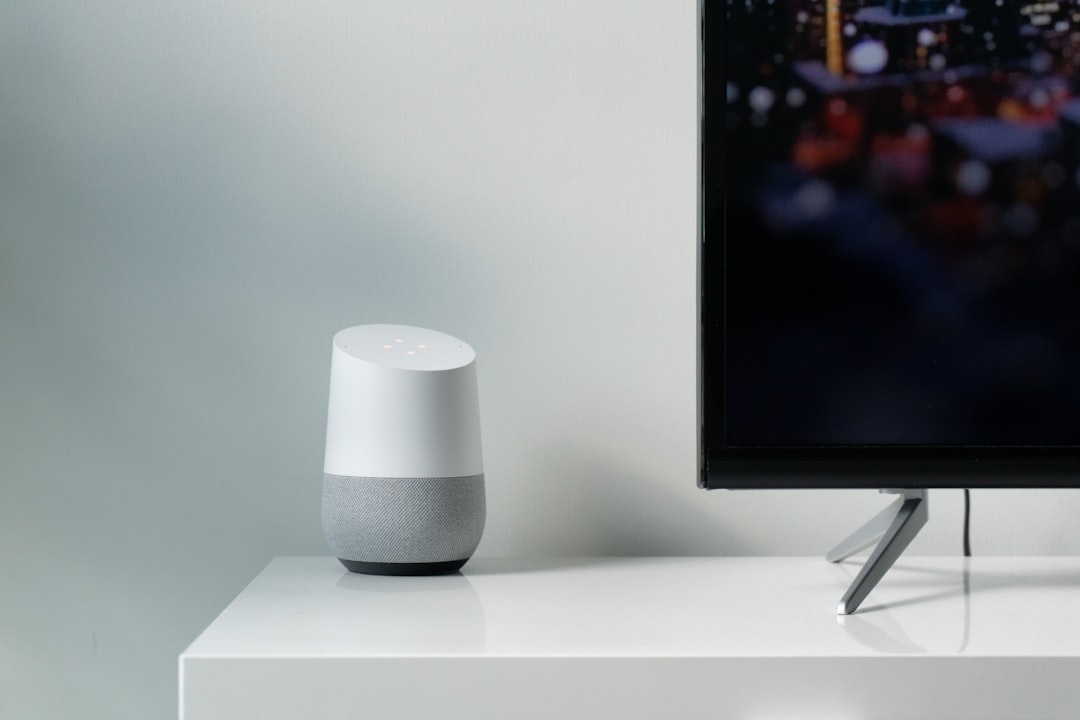
The new Google Home Speaker marks a significant step forward in sustainable design. According to environmental reports published by Google in March 2026, the device features an innovative construction that dramatically reduces adhesive use while improving repairability and production efficiency.
Tensioned 3D-knit fabric enclosure without glue: a design revolution
The most surprising feature is the tensioned 3D-knit enclosure fabric made from recycled polyester and spandex, wrapped over the plastic housing without any adhesive. This means you can slightly stretch the fabric when picking up the device. Compared to the previous Nest Audio, the new Home Speaker uses approximately 63% less material and an impressive 99% less adhesive, as documented in the Product Environmental Report.
Reducing waste in production through modular design
The absence of glue is not just an aesthetic advantage; it also enables manufacturing rework: if a defect is found in either the fabric or the plastic housing during assembly, the other part can still be used, reducing waste and cost. This modular approach is a concrete example of circular economy applied to consumer electronics. The device consists of at least 37% recycled materials by weight, including metals, rare earth materials, and plastic, while the packaging uses bamboo, molded fiber, and recycled newsprint.
Sponsored Protocol
Internal specs and teardown: an efficient system
Internal images show three cutouts for far-field microphones, a 58mm full-range driver, and a mainboard with a quad-core A55 2.0 GHz processor, NPU, 1 GB of LPDDR4 RAM, and 4 GB of eMMC storage. The included 30W USB-C adapter is a miniaturized version of Google's 45W model and meets DOE Level VI, the highest international efficiency standard for power adapters. However, one downside is that the USB-C cable is permanently attached to the device, limiting overall repairability.
Sponsored Protocol
Despite this detail, the Google Home Speaker represents an important step forward in reducing the environmental impact of smart speakers. For those following industry trends, the evolution of smart home devices parallels challenges faced by other companies, such as OpenAI's restricted AI model access in Europe which forces a rethink of production strategies. Moreover, the focus on sustainability echoes efforts by other manufacturers, as demonstrated by the Galaxy S26 Ultra with its record battery life. For more on Google's environmental policies, refer to the Wikipedia page on environmental sustainability.
Source: https://9to5google.com/2026/06/28/google-home-speaker-construction