The wall between iPhone and Android is cracking right where it seemed most solid: AirDrop. In recent hours, Google has officially announced that the new Pixel 10 can exchange files directly with iPhones, iPads, and Macs by leveraging a bridge between Quick Share and AirDrop. A move that, as reported by Italian Tech and other outlets, opens Apple's most iconic sharing channel to Android devices for the first time, at least on paper.
From Quick Share to AirDrop: What Google Has Done
The heart of the news is Quick Share, the wireless sharing system integrated into Android. Google has introduced an additional module in the Pixel 10 that allows the phone to talk directly to AirDrop, without going through remote servers and without the need for third-party apps. According to the Italian Tech article, compatibility comes from a specific update and for now only concerns the latest family of smartphones from Mountain View, with the promise of extending it to other models in the future.
In the tests described by Italian Tech, the function does not yet seem to be uniformly active: the direct connection between the Pixel 10 and iPhone 17 Pro Max, as well as to Macs and iPads, does not always succeed, a sign that the roll-out might be gradual or limited to certain geographic areas. A behavior that is not surprising: other Google features also often arrive in waves, first in the United States and only later in the rest of the world.
How File Exchange Between iPhone and Pixel 10 Happens
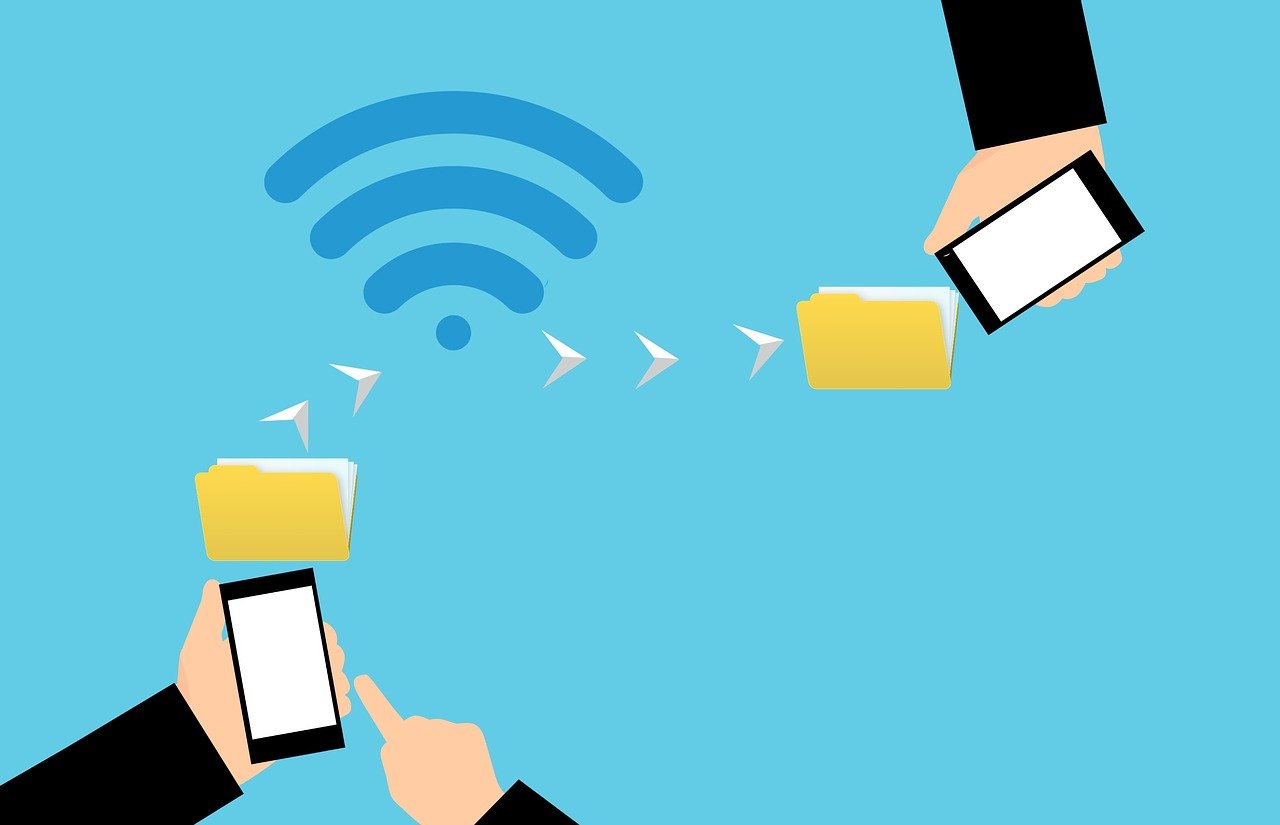
From the user's point of view, the flow remains familiar. On the Apple side, AirDrop must be set to open to everyone for a limited period, the famous "Everyone for 10 minutes" option. At that point, the Pixel 10, via Quick Share, sees the iPhone among the available devices and can send it photos, videos, and documents. On the iPhone, the classic AirDrop notification appears, with the button to accept or reject the transfer, exactly as if the file were coming from another Apple product.
The system also works in reverse: when starting sharing from an iPhone to a Pixel, the Android phone is shown as an AirDrop destination and handles incoming files via the Quick Share module. DDay and other technical outlets emphasize how Google has worked to make the experience as similar as possible to the native one, while noting that there has been no official collaboration with Apple and that everything is based on an independent implementation of the protocol.
From Pixel Exclusive to Feature for Many Androids
If today the privilege remains with the Pixel 10, tomorrow it could expand to a huge portion of the Android world. Tom's Hardware Italy reports that Qualcomm has already confirmed its intention to bring AirDrop support to devices with Snapdragon chips, paving the way for brands like Samsung, OnePlus, and many others. At the same time, Wired reconstructs how Google's announcement fits into a broader path of interoperability between ecosystems, ranging from the arrival of RCS on iPhone to the cross-compatibility of more and more cloud services.
News agencies, including Adnkronos, also confirm the direction: Google's stated goal is to extend AirDrop-compatible Quick Share beyond Pixels, transforming what today seems like a technical demonstration into a concrete feature for millions of users. However, much will depend on Apple's reaction, which has so far firmly defended the closed nature of some of its key technologies.
European Pressures, Privacy, and Future Scenarios
The timing is not accidental. For months, Brussels has been calling for greater interoperability between platforms, and AirDrop itself is one of the pieces under observation in the context of the Digital Markets Act. Demonstrating that a third-party manufacturer can interact with Apple's sharing system without compromising its security puts pressure on Cupertino, which in Europe might find itself having to choose between a controlled opening of its software libraries and the removal of some features on models destined for the EU market.
For now, Google's move has mainly symbolic value: not everyone can use it yet and not all tests succeed, but the message to users is clear. The distance between iPhone and Android is no longer technical, but political and commercial. If the bridge between Quick Share and AirDrop withstands the test of time, file transfer between different ecosystems could finally become as trivial an action as sending a photo in a chat.
> AUTHOR_EXTRACTED
Ing. Calogero Bono
Ingegnere Informatico, co-fondatore di Meteora Web. Esperto in architetture software, sicurezza informatica e sviluppo sistemi scalabili.
[ Read Full Dossier ]
> METEORA_WEB // DIGITAL AGENCY
We build the digital presence your business deserves.
Websites, social media, online advertising, e-commerce and high-performance hosting, engineered with method by computer engineers in Sciacca, for all of Italy.