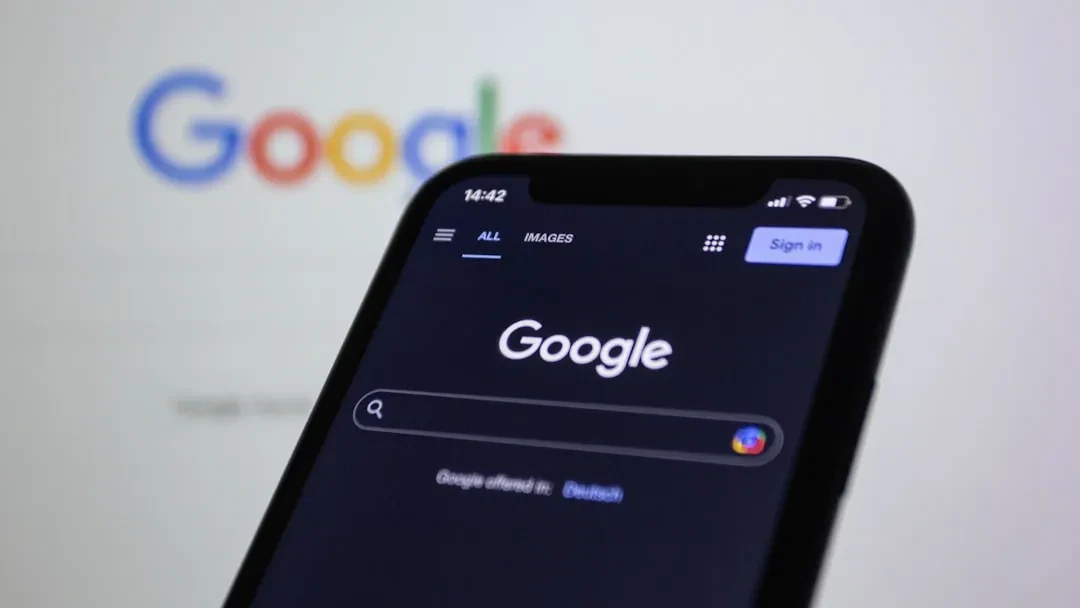
For years, search engine optimization revolved around a familiar ritual: climbing the rankings of the ten blue links. With the latest Google I/O, that era is officially over. AI-generated answers now dominate search results, and most brands have almost no visibility into how AI describes them to customers. Anyone who spent years building a strategy around traditional links now faces a seismic shift.
Artificial intelligence rewrites ranking
Google's conference made it official: AI overview responses replace classic snippets and drastically reduce traffic to websites. Companies no longer know how the algorithm interprets and summarizes their information. This opacity undermines traditional SEO techniques and forces a rethinking of digital visibility. TechCrunch's Equity podcast analyzed this transition in depth, emphasizing that the new model rewards authoritative content structured for AI extraction, not simply for clicks.
Sponsored Protocol
Meanwhile, the rise of AI coding startups, exemplified by Cognition's recent $1 billion round at a $25 billion valuation, confirms that artificial intelligence is redefining every aspect of tech. Consumer backlash against forced AI has also driven explosive growth in alternatives like DuckDuckGo, signaling that the path to widespread adoption remains bumpy. You can read more about AI coding startups in the article dedicated to Cognition and its record valuation.
Gemini for home: camera-powered automations
Google is not stopping at search. Its Gemini assistant now extends to the home ecosystem with an innovative feature: smart home automations triggered by what cameras see. Gemini can interpret real-time images and activate routines, such as turning on lights when it recognizes someone entering or lowering blinds if the sun is too strong. This leap transforms smart cameras from simple surveillance devices into contextual sensors that understand the environment and act accordingly. Privacy remains a key concern, but Google states processing happens locally or with advanced encryption.
Sponsored Protocol
YouTube automatically labels AI-generated videos
On the transparency front, YouTube announced an automatic detection system for AI-generated content. The platform will be able to identify and apply labels to videos created or modified by AI without creator intervention. This move aims to combat misinformation and protect viewers, but raises questions about detection algorithm accuracy. While user trust increases, creators risk incorrect labels on legitimate content, potentially affecting distribution.
Implications for brands and professionals
The convergence of these three trends paints a future where AI not only produces content but also consumes, evaluates, and filters it. Companies must adopt optimization strategies for generative AI: write clear, structured text rich in verifiable data and proper context. Old methods (keyword stuffing, aggressive link building) no longer work. The smart home becomes a new consumer touchpoint, while YouTube enforces stricter rules. The digital landscape is fragmenting and reassembling around artificial intelligence, and those who fail to adapt risk disappearing from search engine and voice assistant radars.
Sponsored Protocol
To fully understand the historical scope of this change, consult the Wikipedia page on Google Search, which documents the evolution of the world's largest search engine.