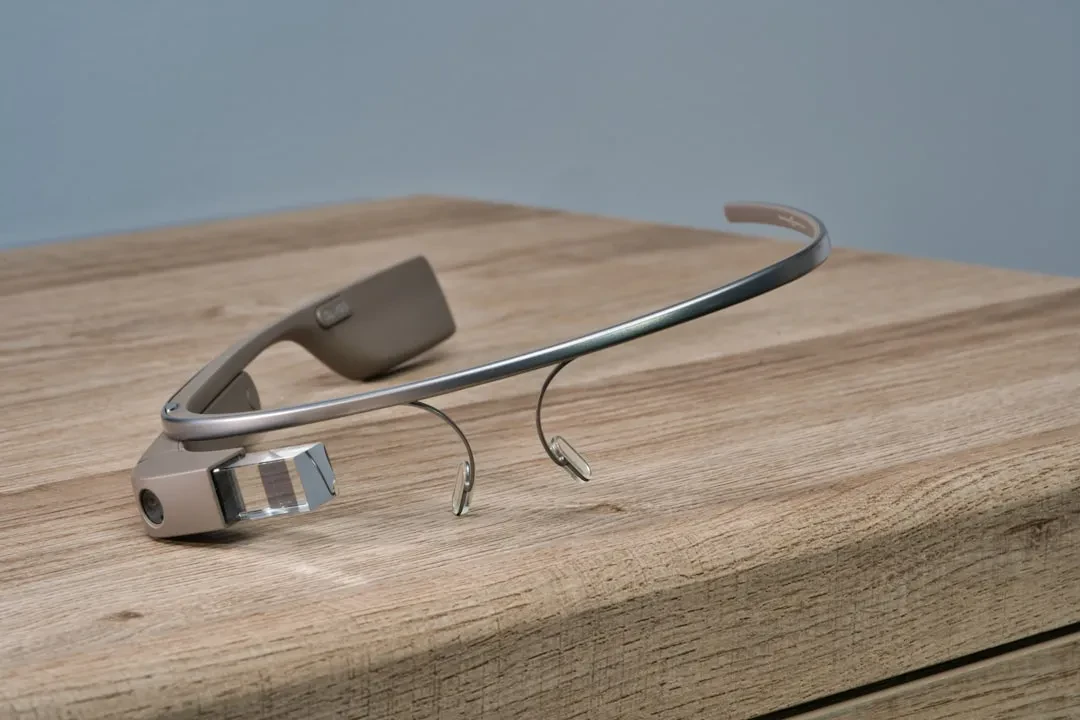
The wearable device ecosystem is undergoing a radical transformation and Google just raised the competitive bar. During the Google I/O 2026 keynote, the Mountain View company unveiled its first generation of intelligent audio glasses, a product that marks a turning point in the smart glasses market. Unlike traditional AR headsets, these glasses do not have a display in the lenses. Instead, they rely on a combination of microphones, speakers, and cameras to deliver an experience based entirely on voice and contextual AI. The device, which will run Android XR, Google dedicated platform for extended reality, is set to launch this fall with a feature that surprised many: native support for iPhones, in addition to Android devices.
A Strategic Partnership Ecosystem
To create these glasses, Google formed key alliances with Samsung for the chips and with renowned eyewear manufacturers Gentle Monster and Warby Parker. These two companies will create full collections of frames, allowing users to choose a style that fits their daily look. The design aims for normalcy: the glasses look like traditional frames, but inside they house powerful hardware. The absence of a display reduces visual impact and weight, while the integrated cameras allow the system to interpret the surrounding world. The true beating heart is Gemini, Google AI assistant, which is activated by the voice command 'Hey Google' or by a simple tap on the side of the frame.Sponsored Protocol
Gemini Contextual AI Capabilities
Gemini capabilities in these glasses are surprisingly broad. The AI can provide information about what the wearer sees, such as reviews of a nearby restaurant, the name of a cloud formation, or details of a confusing parking sign. Visual navigation with turn-by-turn directions is available, with the ability to add stops or find nearby locations based on user preferences. The glasses handle calls, send texts, and summarize notifications directly in the ear. They support music listening, photo and video capture with editing via the Nano Banana AI engine, and real-time translation of speech and text. One of the most advanced features is the ability to complete multi-step tasks, such as ordering coffee through DoorDash, using voice commands. Additionally, Gemini can interact with the connected smartphone apps, including iPhones.Sponsored Protocol
The Competitive Landscape: Meta, Apple, and the Race for Smart Glasses
Google is not starting from scratch but is entering a market already heated by Meta with its Ray-Ban Meta Smart Glasses, which are currently enjoying discounts of up to 25%. The Ray-Ban Meta offer similar features (photos, video, music, calls, AI) but rely on the Meta AI ecosystem. Google strength lies in deep integration with Gemini and the Android ecosystem, plus iPhone support that expands the user base. Apple, for its part, is developing its own AI smart glasses, but according to latest rumors they will not arrive before 2027. This gives Google and Meta a crucial time window to capture market share. The related article on Google I/O 2026 delves into the entire Google strategy with Gemini and AI agents, a fundamental context to understand the scope of this launch.Sponsored Protocol
Google decision to focus on audio glasses without a display is a pragmatic design choice. As a source from TechCrunch explains, the company took a page out of Meta book, demonstrating that the real technological leap is not in overwhelming the user with visual information, but in providing an always-available, non-intrusive AI assistant. Android XR, the platform on which the glasses are based, has been designed to be the reference operating system for next-generation wearable devices, promising strong developer adoption. If the fall launch is successful, Google could redefine the very concept of smart glasses, bringing them closer to a mainstream audience that has so far looked at bulky AR headsets with skepticism.
Sponsored Protocol