Satellite connectivity for smartphones has been a long-awaited feature, and now some carriers are offering it as an add-on. To see if it can really replace cellular service in areas with no signal, I tested O2's 4G satellite service, powered by SpaceX's Starlink constellation, in a dead zone in the UK.
How satellite 4G works and the limitations imposed by your phone
O2's service costs an extra £3 per month and activates automatically when the phone loses all other data connections, whether cellular or Wi-Fi. The device only looks for a satellite as a last resort, leading to amusing situations like the phone trying to connect on the London Underground where there is zero chance. This is because the operating system treats satellite connectivity as an emergency feature.
Finding the perfect test spot with coverage maps and no signal
Despite O2's excellent 4G coverage in Southeast England, there are scattered dead zones, especially in rural areas. Using coverage maps from O2 and the regulator Ofcom, I found a spot about 30 minutes away by car with ample parking at a pub. Here, cellular signal was absent, ideal for the test.
Sponsored Protocol
Automatic connection and the test inside the car
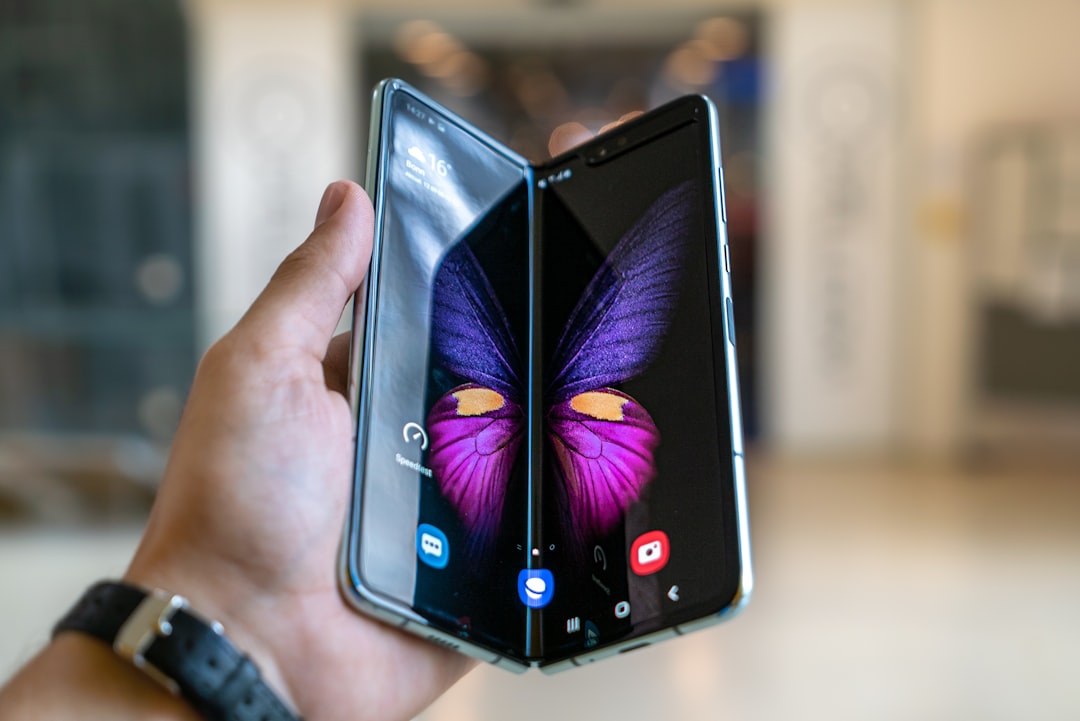
When I arrived, my Samsung Galaxy S26 Ultra had already connected to Starlink satellites, even through the car's metal roof. The signal was weak, showing one bar out of three. Stepping outside and pointing the phone skyward increased it to two bars, but never three, despite clear skies. Inside the pub, with its thatched roof, the connection vanished entirely.
Loading speeds and apps limited to essentials only
Inside the car, opening Google Maps took 30 to 60 seconds, with a warning about satellite connection. Outside, load times improved but remained far slower than regular 4G. The major limitation is which apps work: only essentials like Google Maps, Messages, weather, and Find Hub. Social media and browsers are blocked, and third-party apps like alternate maps remain offline. No Netflix or web browsing is possible.
Sponsored Protocol
A great backup tool but not a replacement for cellular service yet
This service is valuable for those in dead zones but cannot replace a traditional cellular connection. System-level limitations make it suitable only for emergencies and essential apps like communication, navigation, and weather. For heavy use like streaming or web browsing, we still need broader coverage. For those considering a new phone, the imminent arrival of new models may offer integrated satellite features. For now, O2 and Starlink provide a reliable backup. More on Starlink technology is available on Wikipedia.