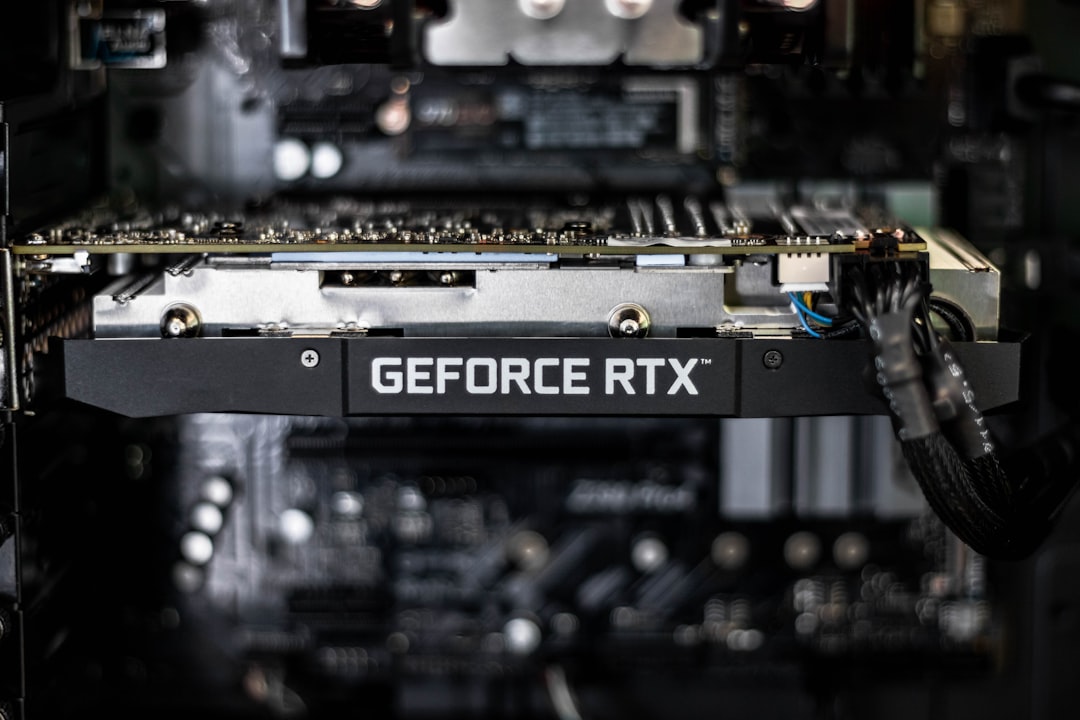
Anyone hoping for GPU prices to stabilize anytime soon is in for a disappointment. Nvidia's RTX 5080 and RTX 5090 models from various OEM partners are once again selling well above their launch prices. According to recent listings spotted on Reddit, the Asus ROG Astral RTX 5080 is now priced at $2,099.99 at Best Buy, a full $600 above its official MSRP of $1,499.99 and even $100 more than the flagship RTX 5090's launch MSRP of $1,999.
The Asus ROG Astral RTX 5080 and the RTX 5090 price surge
The situation is even more extreme for the RTX 5090. On Amazon, the Asus ROG Astral RTX 5090 is listed at $4,329.99, approximately $1,530 above its launch MSRP of $2,799.99. The MSI Gaming Trio RTX 5090 has also jumped to $4,299.95, a whopping $1,900 more than its early 2025 debut price. These price hikes primarily affect premium partner models, while some mainstream cards remain closer to MSRP. For instance, the Zotac RTX 5080 Solid OC sells for $1,249.99 on Amazon, and the PNY RTX 5080 OC is available at Best Buy for $1,256.99.
Sponsored Protocol
The end of Nvidia's OPP program and underlying causes
The main driver behind these increases is Nvidia's discontinuation of its Observed Pricing Program (OPP). As tech YouTuber der8auer revealed, this program incentivized board partners to keep prices near MSRP. Without it, companies like Asus, MSI, and Gigabyte have more freedom to raise prices, passing higher production costs onto consumers. Additionally, rising GDDR7 memory costs, fueled by AI-driven demand, have escalated expenses. Nvidia has also prioritized production of higher-margin products like the RTX 5080 and AI hardware, tightening supply of gaming GPUs.
Sponsored Protocol
Future outlook and buying advice
For those looking to purchase a high-end graphics card, the outlook is grim. Founders Edition models remain the closest to MSRP but are often out of stock. Buyers must choose between paying a hefty premium for premium partner cards or settling for more affordable custom models. Waiting for prices to return to MSRP may take longer than expected, as seen in other tech sectors like Qualcomm's Snapdragon chip price increases. For those who can wait, postponing the purchase may be the wisest move.