When buying an iPhone, the question of lifespan is inevitable. With rising prices and rumors of further increases for upcoming models, understanding how long a device can realistically last becomes essential. The answer has two parts: software longevity and physical wear, along with performance under system updates.
Apple's software support remains the industry benchmark
At WWDC 2026, Apple announced that iOS 27 still supports the iPhone 11, released in 2019. This means an iPhone 16 or 17 will receive updates at least until 2031. Competitors promise seven years of updates, but Apple has a proven track record. Beyond new features, updates deliver crucial security patches. Without them, the device remains vulnerable to emerging threats. Security is a critical factor for longevity, as highlighted by studies on military apps containing foreign code, a topic covered in our related article.
Sponsored Protocol
The battery is the first component to fail after about 1000 cycles
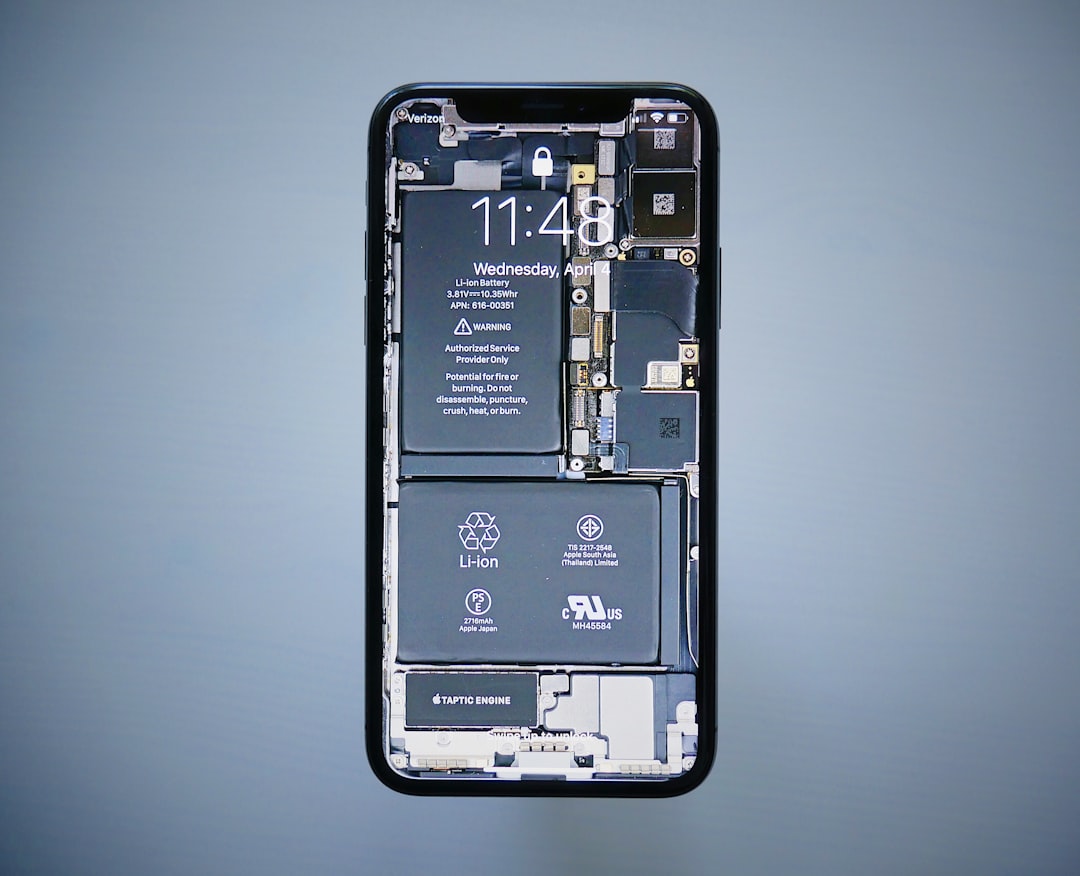
Apple states that batteries in iPhone 15 and later retain 80% of original capacity after 1000 charge cycles. Real-world tests confirm this: an iPhone 15 Pro Max with 950 cycles shows 83% battery health. Replacing the battery can rejuvenate the device, but beyond a certain point, the aging processor and RAM limit the benefits. Battery replacement is the most cost-effective way to extend iPhone life, but it does not solve overall performance degradation.
iOS 27 fixes the sluggishness experienced with the previous version
The iOS 26 update caused frame drops and overheating even on recent models like the iPhone 15 Pro Max, despite its promised AAA gaming power. Apple indirectly acknowledged the issue by dedicating most of the iOS 27 reveal to performance and stability improvements. In preliminary tests, older devices run noticeably smoother with the new version. The choice to update or not affects the perceived lifespan of the phone. Some users prefer to stay on older versions to avoid slowdowns.
Sponsored Protocol
Build quality holds up well even without a case
Modern iPhones use unibody aluminum or titanium with scratch-resistant glass. The iPhone 17 Pro dropped titanium for an aluminum frame, and despite reports of a slight color shift on some orange units, overall durability is high. Many users on forums like Reddit report using the same iPhone for five or more years with only a battery replacement expense. High-quality hardware allows exceeding five years of use without major issues, provided battery health is monitored.
Sponsored Protocol
In conclusion, a new iPhone can last well beyond five years if the battery is replaced. However, increasing demands from the operating system and hardware limitations may prompt an earlier upgrade. For more information on smartphone longevity, refer to the Wikipedia page on iPhone.
Source: https://www.engadget.com/2216276/how-long-new-iphone-last-lifespan