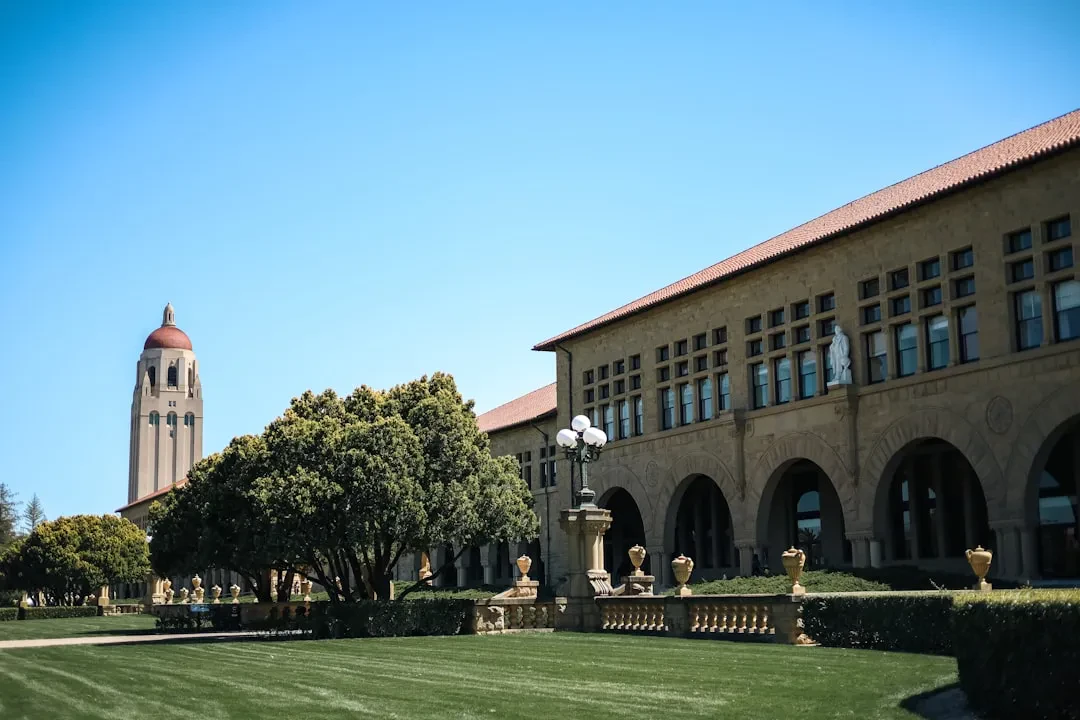
The landscape of technological innovation is undergoing a radical transformation, and a deep investigation conducted by journalist Theo Baker on the Stanford ecosystem offers a startling snapshot of this new era. The phrase that best encapsulates the ongoing change is bound to spark debate: among young talents in Silicon Valley, a common refrain suggests that today it is easier to secure funding for a startup than to land an internship. This observation, born from four years of field research, is not just an anecdote but a symptom of a profound cultural and economic shift.
The Talent Paradox: Capital vs Opportunity
The ease with which capital is raised for new ventures is redefining the priorities of the new generation of engineers and entrepreneurs. While the traditional path to major tech companies still involves competitive internships and graduated pay scales, the startup world promises autonomy, exponential growth, and the ability to shape the future immediately. Baker's investigation reveals that access to venture capital has never been smoother, with funds competing to back promising projects even before founders have completed their studies. This phenomenon is not isolated but part of a broader trend: the democratization of investments in artificial intelligence and frontier technologies, a theme we explored analyzing the race of companies like SandboxAQ, Anthropic, and Meta to make AI accessible to a wider audience, as discussed in our article on SandboxAQ, Anthropic, and Meta: The New Race to Democratize AI Access.
Sponsored Protocol
Implications for Education and Careers
While an abundance of capital stimulates innovation, it also raises questions about education and professional stability. The internship, traditionally seen as a stepping stone to a solid career, risks losing appeal when the promise of a million-dollar funding round is within reach. Baker's research highlights how the Stanford ecosystem, historically a hotbed of successful startups, is witnessing a polarization: top talents are attracted not by the HR departments of big tech but by the pitch decks of founders. This dynamic echoes findings from our coverage of recent regulatory and financial storms in Elon Musk's empire, where the line between entrepreneurial ambition and operational sustainability blurs, as described in OSHA at SpaceX Starbase and xAI Debts: Two New Storms for Elon Musk's Empire.
Sponsored Protocol
An Ecosystem in Flux
The new reality of Silicon Valley is not confined to Stanford but affects the entire global innovation fabric. The data gathered by Baker indicates that young founders are increasingly aware of their bargaining power, pushing investors to offer more favorable terms and structured mentorship. However, this scenario also carries risks: easy funding could inflate speculative bubbles and foster a culture of early dropout. The question that arises is whether this paradigm will lead to an unprecedented flourishing of new technologies or a generation of entrepreneurs ill-prepared for operational challenges. To fully understand the roots of this phenomenon, it is useful to look at the history of the institution that gave birth to so many of these startups: Stanford University, described in detail on Wikipedia.
Sponsored Protocol
Theo Baker's work delivers a powerful snapshot of a moment when money has become the most accessible currency of talent itself. The challenge for the future will be to balance entrepreneurial effervescence with the need to build solid and sustainable skills. The tech industry is watching closely: if the internship has indeed become a minority path, then the entire recruitment and training system of companies will need to be rethought. A lesson straight from the heart of Silicon Valley, where the next chapter of the digital revolution is being written every day.