The tech landscape this week is enriched by two stories that appear to belong to different worlds but share a common thread: the pursuit of uncompromising performance. On one hand, LG has unveiled a gaming monitor capable of a native refresh rate of 1000 Hz in Full HD. On the other hand, Amazon has launched record discounts on Anker's new Prime chargers, dropping the 3-in-1 wireless charging station to its lowest price ever. Let's explore what these innovations mean for the future of digital entertainment and energy management.
One Thousand Hertz Redefining Visual Fluidity
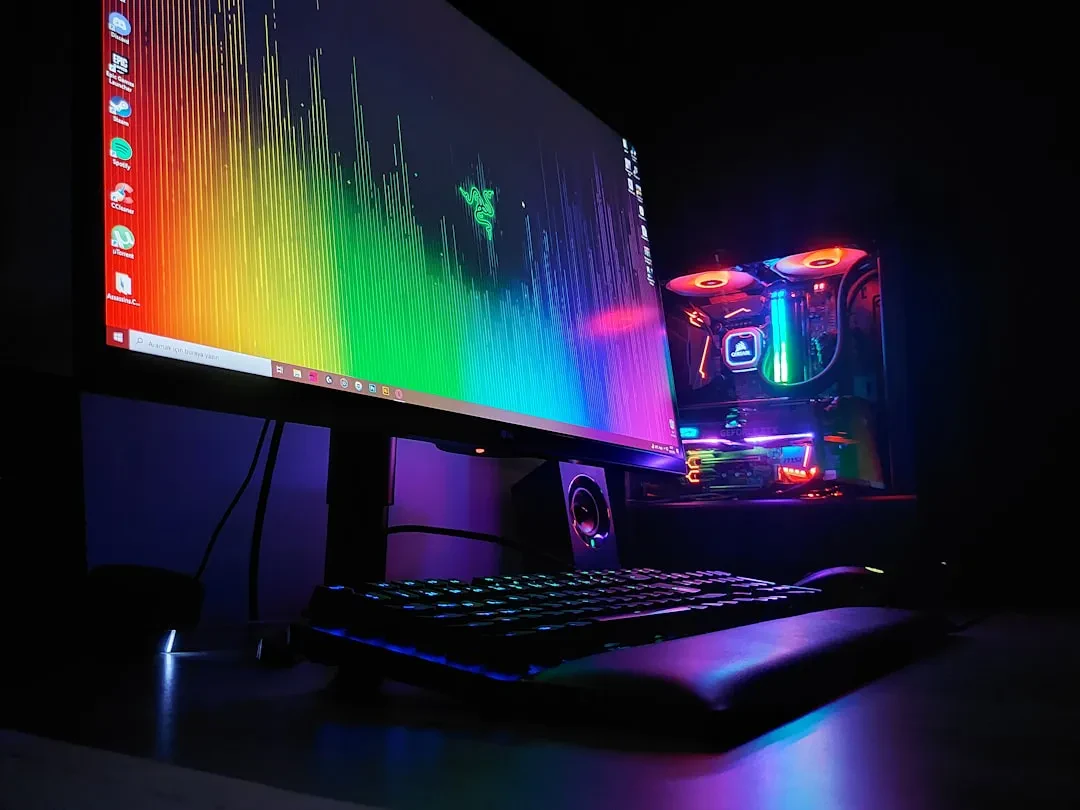
The new LG UltraGear monitor represents a generational leap for the most demanding gamers. Achieving a native refresh rate of 1000 Hz means the screen updates the image one thousand times per second. A figure that seemed like science fiction just a few months ago. To understand the true impact, consider latency and motion blur. At 1000 Hz, each frame lasts one millisecond, effectively eliminating any trail or blur in fast movements. In competitive games like tactical shooters or racing simulators, this translates into near-supernatural precision in tracking targets. It is not just about seeing better but reacting faster. LG chose Full HD for this first implementation, a resolution that allows pushing the refresh rate to the max without overwhelming current graphics cards. The signal is clear: the race for extremely high frame rates has a new milestone, and it is called 1000 Hz. For an in-depth look at the latest gaming trends, check out the analysis of an indie title and movement shooter available on Meteoraweb.
Sponsored Protocol
Anker Prime Smart Charging Becomes More Accessible
In parallel, the world of wireless charging is experiencing extraordinary maturity. The Anker Prime 3-in-1 station, part of the top-tier line, now supports the Qi2.2 standard. This protocol, an evolution of Qi2, allows MagSafe-compatible iPhones to charge at 25W, the same speed as Apple's official charger but with a notable advantage. Compared to standard Qi2 chargers at 15W, the gain is 10W, cutting waiting times almost in half. The station can simultaneously charge an Apple Watch and AirPods, turning into an energy management hub for the entire ecosystem. Amazon's deal, dropping the price to $104.99 (a $45 discount from list), makes this technology no longer a luxury for a few but an investment within reach for many. Beyond this, the entire Prime line is on sale: from the 14-in-1 docking station to power banks with 26,250 mAh capacity, including portable charging stations. The trend is clear: consumers are not just looking for power but integrated solutions that reduce cable clutter and adapter chaos.
Sponsored Protocol
Implications for the Future Between Extreme Performance and Simple Connectivity
Reading these two pieces of news together paints a fascinating scenario. On one side, the pursuit of extreme performance in gaming pushes hardware to unprecedented limits, demanding ever-faster monitors and ever-more-powerful graphics cards. On the other side, the simplicity of wireless charging and protocol standardization make digital life smoother and less stressful. It is no coincidence that Anker chose to integrate Qi2.2 precisely into the Prime line, designed for those who want the best without compromises. If the LG monitor represents the future of vision, the Anker station represents the present of convenience. But watch out for implications. A 1000 Hz monitor requires staggering computational power, and it is not yet clear if or when mainstream consoles or PCs will be able to fully exploit it. For a comparison with infrastructure challenges faced by other industry giants, read the article on OSHA at SpaceX Starbase and xAI Debts.
Sponsored Protocol
Buying Advice and Market Reflections
For those considering an upgrade, the timing is favorable. The Anker Prime station at $104.99 is a bargain, especially if you own a MagSafe iPhone. The 25W support ensures genuinely fast charging without the excessive heat of some competing solutions. Moreover, thanks to Qi2.2 compatibility, this charger is already designed for future iOS software updates. As for the LG monitor, we will have to wait for independent tests to verify the real perception of such a high refresh rate. However, the technical data is impressive and could push the entire gaming ecosystem toward new standards. For further details on facial recognition and privacy technologies, a reading of another article on Disney Class Action is interesting. In conclusion, May 2026 is proving to be a month of concrete innovations, where raw power meets ease of use, and where the final price becomes finally accessible. Whether you are a hardcore gamer or an on-the-go professional, there is an upgrade waiting for you.
Sponsored Protocol