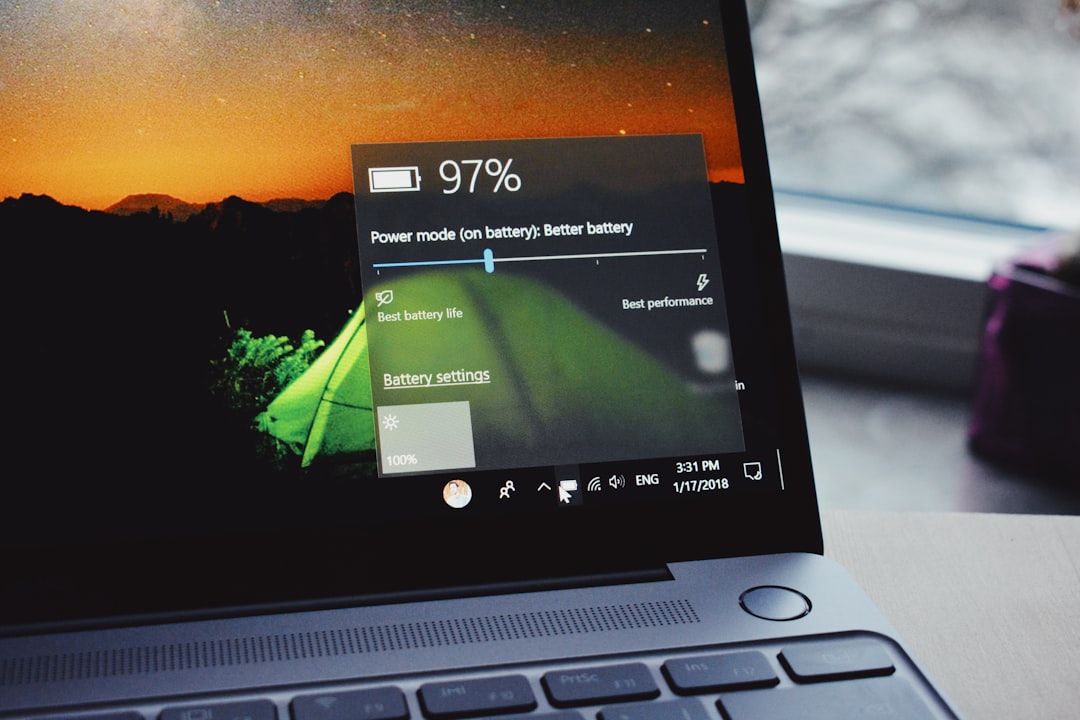
When you use a laptop, you might assume it will always perform the same whether plugged in or unplugged. After all, these systems are designed for on-the-go use. But for a long time, that hasn't been the case. Recently, some silicon vendors have boasted closer parity between plugged and unplugged performance. To see the current state, we tested the latest laptops from Intel, AMD, Qualcomm, and Apple, measuring how performance changes when you unplug the charger.
For Windows systems, we used the balanced power profile, while the MacBook Pro has an automatic power management profile. Where possible, we chose high-end processors: Intel Core Ultra X9 388H, Qualcomm Snapdragon X2 Elite Extreme, and Apple M5 Max. For AMD, we tested two Gorgon Point chips: a Ryzen AI 9 465 and a Ryzen AI 7 445. We also included an Intel Core Ultra 7 258V 'Lunar Lake' to see generational gains. Tests included Cinebench 2026 single-core and multi-core, and Handbrake to transcode 4K to 1080p. The goal was not to compare scores across systems, but to see how each system varied relative to itself on battery.
Sponsored Protocol
Intel and Apple deliver nearly identical performance off the plug
Results show Intel and Apple leading in stability. The Intel Core Ultra X9 388H averaged less than 1% fluctuation, peaking around 3% in multi-threaded Cinebench and Handbrake. The Apple M5 Max was the most consistent, never deviating more than 1% in any test. For instance, it gained 0.27% in single-thread, 0.85% in multi-thread, and dropped only 0.89% in Handbrake. This is remarkable for a laptop aimed at creative professionals who often work on battery.
Qualcomm Snapdragon surprises in multi-thread but loses in transcoding
The Qualcomm Snapdragon X2 Elite Extreme on the Asus Zenbook A16 showed the most variable behavior. In Cinebench multi-thread, battery performance increased by 13.06%, an anomaly possibly due to thermal or power management optimizations. However, in Handbrake it dropped by 13.33%. Overall, it averaged a slight decline of 0.41%. This shows Qualcomm can offer good parity, but with some swings.
Sponsored Protocol
AMD loses up to 56% performance on battery
The worst-case scenario came from AMD laptops. The Acer Swift Go 16 AI with Ryzen AI 7 445 lost an average of 50% performance on battery, peaking at 56% in single-thread Cinebench and 51% in Handbrake. The HP OmniBook X Flip 14 with Ryzen AI 9 465 fared better, losing only 5.45% on average, but still far from Intel and Apple stability. Paradoxically, the Steam Deck, which uses an AMD SoC, is designed for consistent performance on and off the charger, proving the potential exists but has not yet translated to AMD laptops.
Sponsored Protocol
Efficiency and practical implications
If a laptop maintains performance on battery, users can tackle heavy tasks away from a desk, especially in creative or industrial fields. This requires both performance stability and good battery life. Intel and Apple have shown it is possible, while AMD still needs improvement. For those who often use a laptop unplugged, current safest choices are Intel Core Ultra or Apple Silicon, like the Mac Mini M5 (though not portable). Full test details are available on Tom's Hardware.