In the ever-expanding technological landscape, where devices become increasingly complex and feature-rich, a counter-trend is emerging that values simplicity and focus. The Light Phone III fits perfectly into this niche, promising a radically different approach to mobile interaction. In an era dominated by smartphones that constantly connect us to an incessant stream of notifications and applications, the Light Phone III offers an oasis of digital tranquility.
The Renewed Minimalist Concept
The Light Phone III is not simply an updated version of its predecessor, but represents a significant evolution of the minimalist concept. While previous models aimed for an almost complete absence of third-party apps, the new model will open doors to a curated selection of external applications. This strategic shift is made possible by the introduction of an SDK (Software Development Kit) that will allow developers to create non-commercial tools. The goal is not to transform the Light Phone III into a general-purpose device, but to offer targeted additional functionalities while maintaining its core philosophy of disconnection and present-moment awareness.
Sponsored Protocol
Beyond the Basic Phone New Interaction Possibilities
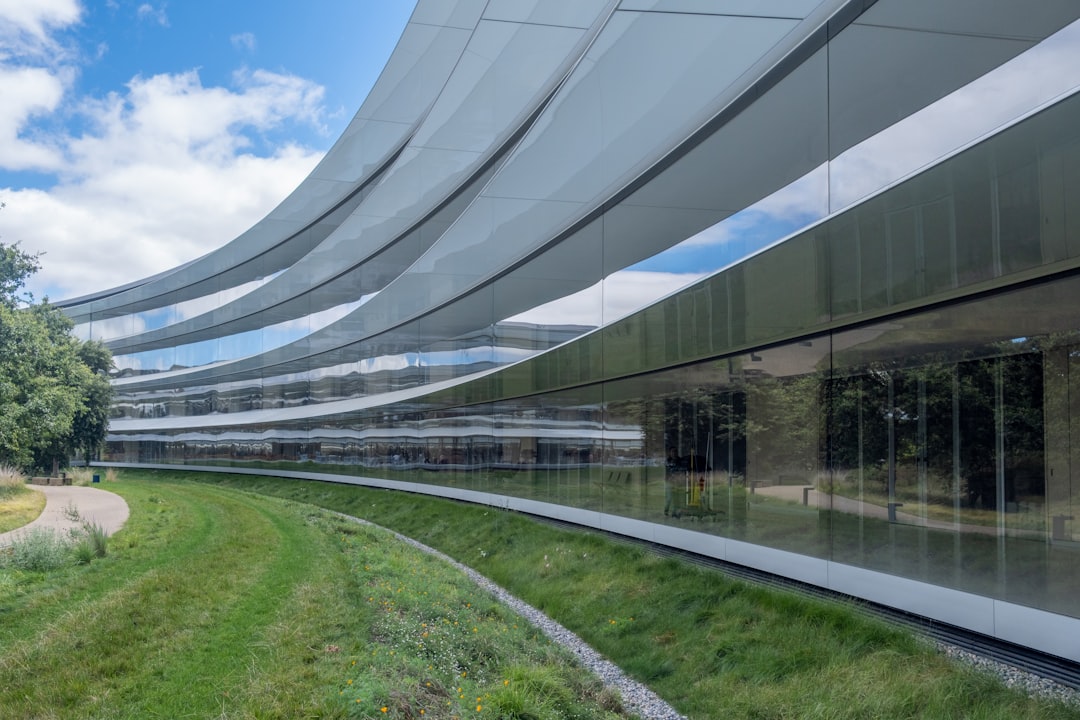
The introduction of the SDK marks a turning point for the Light Phone III. It will allow for controlled integration of applications that could enhance the user experience without compromising its essential nature. Imagine the possibility of having access to specific tools, designed to be useful without being intrusive. This could include, for example, dedicated meditation applications, minimalist podcast players, or essential yet powerful navigation tools. The philosophy is that of a curated ecosystem, where every addition must serve to strengthen the focused user experience, rather than distract from it. In this sense, the Light Phone III does not aim to compete with industry giants like Apple or Google, whose devices offer rich but often overwhelming user experiences. Consider, for instance, the potential that could emerge if combined with revolutionary technologies like those seen in the new Apple smart glasses, but with a radically different focus on essentiality.
Sponsored Protocol
A Future Between Selected Tools and Security Controls
The decision to introduce an SDK was clearly considered. The team behind the Light Phone III understood that the complete absence of apps might limit the device's potential for some users. Offering the possibility of selected integration, with developers creating specific tools, allows them to reach a wider audience while preserving the product's DNA. In parallel, the technology industry is showing growing interest in security. In this regard, it is important to remember how companies like OpenAI are actively working to enhance the security of their services, as seen with the implementation of physical keys for ChatGPT. This demonstrates a general trend towards greater control and reliability in our digital tools, a principle that aligns well with the philosophy of the Light Phone III.
Sponsored Protocol
The Competitive Context and Prospects
As the Light Phone III prepares to launch its new iteration, other players in the portable technology world are also innovating. LG has recently unveiled a gaming monitor with Mini LED technology and AI upscaling support, demonstrating how artificial intelligence is permeating even seemingly distant sectors like high-performance entertainment. Similarly, devices like the ASUS ROG Ally X are receiving updates that improve the user experience through technologies such as Automatic Super Resolution. The Light Phone III, however, does not fit into this direct competition. Its proposal is to offer a valid alternative for those seeking a reduction in digital noise, a more intentional and less fragmented mobile experience. The introduction of curated apps via SDK could therefore represent a winning strategy to broaden its appeal, while staying true to the promise of a device that helps one live better in the real world, with technology as a discreet support and not as the protagonist.
Sponsored Protocol