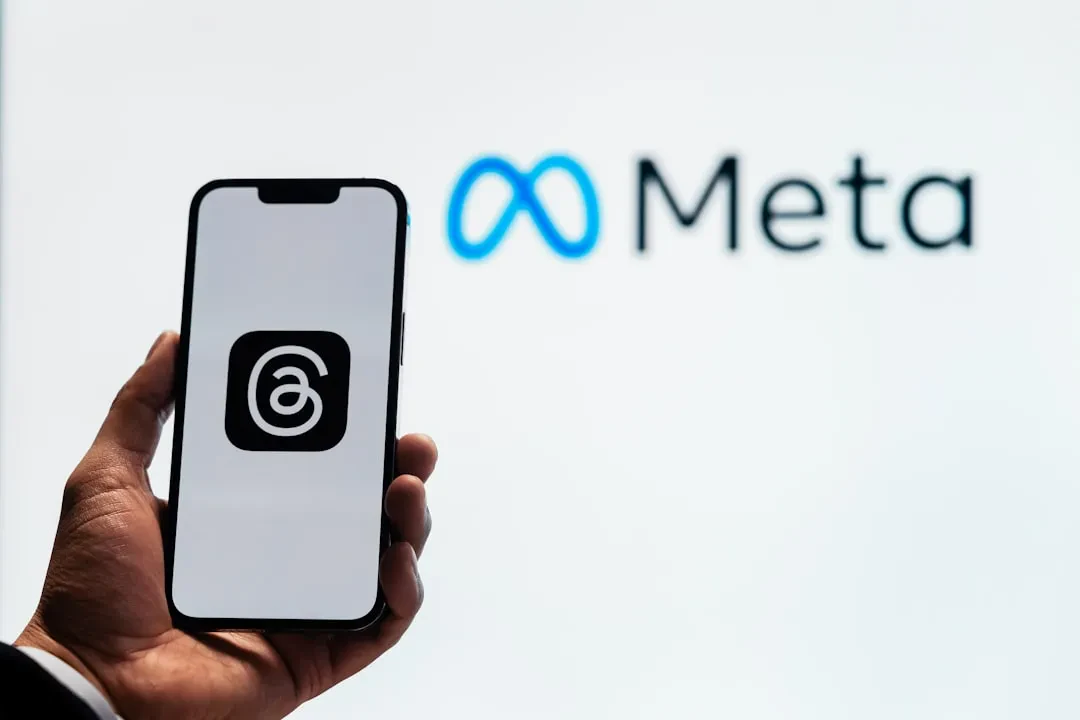
In the dynamic technological landscape of 2026, surprising news emerges regarding Meta's ambitions. According to recent leaks reported by the Financial Times, the social media giant is reportedly working on creating a digital clone of Mark Zuckerberg based on artificial intelligence. This AI avatar would not be intended for public interaction but rather to support Meta employees, offering an alternative communication channel with what appears to be the CEO.
Zuckerberg's AI Avatar an Innovative Virtual Assistant
The idea behind this project is to train an artificial intelligence to mimic Mark Zuckerberg's communication methods, tone, and public statements. The goal is for this digital clone to provide advice to employees, simulating the thinking and strategy of the real CEO, especially when he is unavailable or wishes to delegate responses. This initiative follows closely on the heels of the announcement that Zuckerberg himself is developing a personal AI agent to assist him in his work duties, although details about the latter remain scarce.
Sponsored Protocol
Meta has reportedly been developing photorealistic, 3D animated AI characters capable of handling interactions for some time. The current focus appears to be on the Zuckerberg clone, which could become an internal tool to facilitate communication and information flow within the company. An approach that raises questions about the nature of work and the authenticity of interactions in an era increasingly dominated by artificial intelligence.
Ethical and Technological Implications of Digital Clones
The prospect of interacting with an AI clone of one's CEO opens complex scenarios. While it could potentially increase efficiency and feedback availability, it also raises important questions about AI ethics and the authenticity of professional relationships. It is crucial to consider how these technologies might influence corporate culture and the perception of leadership roles. Similar ethical debates have emerged in different contexts, as demonstrated by the case of IBM settling a lawsuit related to corporate practices, highlighting the complexity of internal dynamics in large corporations.
Sponsored Protocol
Furthermore, the ability to faithfully replicate public figures with AI could have significant implications for misinformation and manipulation. Although Meta states this clone will be an internal tool, the underlying technology could potentially be used for less transparent purposes. The continuous evolution of artificial intelligence, which also sees enhancements in security like in Gmail with end-to-end encryption, underscores the urgency of establishing clear guidelines and strict regulations to prevent abuse. The idea of replicating business leaders, even if currently confined to internal use, opens the door to future developments that will require careful oversight.
The Future of AI Avatars and Business Interactions
Meta's project is not an isolated incident. The tech industry is actively exploring the creation of AI avatars and digital representations for a wide range of applications. From virtual characters in metaverses to increasingly sophisticated virtual assistants, the trend is clear. The impact of these technologies on future professional and social interactions is yet to be fully defined, but it is undeniable that we are facing an epochal shift. This development fits into a broader context of AI-driven innovation, such as the recent evolution of Roblox in improving user experience, demonstrating how major platforms are constantly seeking new ways to interact with and engage their users and employees.
Sponsored Protocol
As Meta proceeds with the creation of a Mark Zuckerberg AI clone, the world watches with a mixture of fascination and caution. The potential is immense, but so are the ethical and practical challenges that accompany this advanced technological frontier. Transparency and accountability will be paramount to navigate this new digital territory constructively.