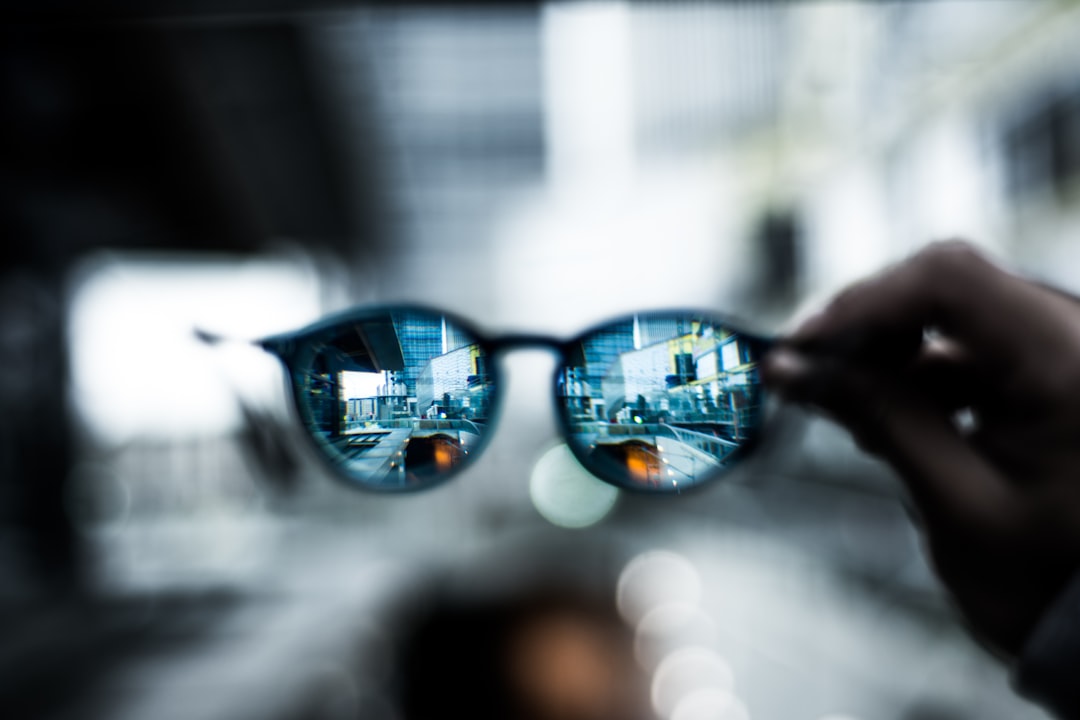
As the debate over artificial intelligence intensifies, Meta is pushing the boundaries of wearable technology with a new project featuring AI glasses equipped with 'super sensing' capabilities. According to a report from the Financial Times, the company is testing prototypes that can take photos every few seconds and record ambient audio continuously. The goal is to provide the AI with enough context to answer questions about the user's day or help them remember where they left an object. However, the possibility that the recording LED might be disabled during use raises serious privacy concerns.
Meta's 'super sensing' project aims for an always-on assistant
The new specifications for Meta's AI glasses represent a leap from current models, which only record on voice command or button press. The 'super sensing' mode would allow the device to function as a perpetual recorder of everything the user sees and hears. The integrated AI would use this data to offer a personal assistant capable of recalling past events, suggesting context-based actions, and even alerting the user to forgetfulness. According to the report, Meta is considering disabling the recording LED when the feature is active, to avoid drawing unwanted attention during daily use. This choice, however, could make the glasses an ideal tool for unauthorized surveillance.
Sponsored Protocol
Privacy at risk: the recording LED might be hidden
The decision to remove the visual indicator has immediately sparked an ethical debate. Critics argue that without a clear visual signal, people around the user will not know they are being recorded, violating their privacy. This scenario echoes previous concerns raised by misuse of AI in education, such as the Brown University case where 50% of students were caught cheating with artificial intelligence. Continuous data collection could also expose users to hacking risks and long-term privacy breaches.
Sponsored Protocol
Competition in the AI glasses market and expert reactions
Meta is not the only company exploring this field. Google, Apple, and startups like SpaceX with its Grok 4.5 model are investing in wearable AI devices. However, Meta's choice to eliminate the recording LED could give the company a competitive edge in making the AI assistant less intrusive, but at the cost of potential misuse. Cybersecurity experts warn that such devices, if unregulated, could become tools for industrial espionage or personal privacy violations.
According to the Financial Times, Meta is already discussing with regulators to ensure the final product complies with privacy laws. European Union guidelines, in particular, require recording devices to show a clear signal when active. If Meta can balance advanced functionality with transparency, the AI glasses could revolutionize human-computer interaction. Otherwise, the project risks fueling a new wave of criticism against a company already under fire for its data management practices.
Sponsored Protocol
The tech community is watching developments closely. Some analysts see 'super sensing' glasses as a step toward more natural human-machine interfaces, while others urge caution. An article on Wikipedia about smart glasses explains how these devices are evolving from simple accessories to full AI platforms. The challenge for Meta will be to prove that privacy can coexist with innovation.
Source: https://www.androidauthority.com/meta-testing-super-sensing-glasses-3685734