The cybersecurity landscape has darkened sharply this week with three distinct events that, while separated by geography and jurisdiction, converge on a common theme: the fragility of digital privacy and the growing audacity with which companies and state actors put user data at risk. On one front, Texas has filed a lawsuit against Meta over alleged breaches of WhatsApp's encryption. On another, Trump Mobile admitted to a serious exposure of customer personal data. Finally, the Wall Street Journal revealed that Iran used Binance to move billions of dollars while evading sanctions. Let us analyze each front with the technical depth it deserves.
Texas challenges WhatsApp encryption
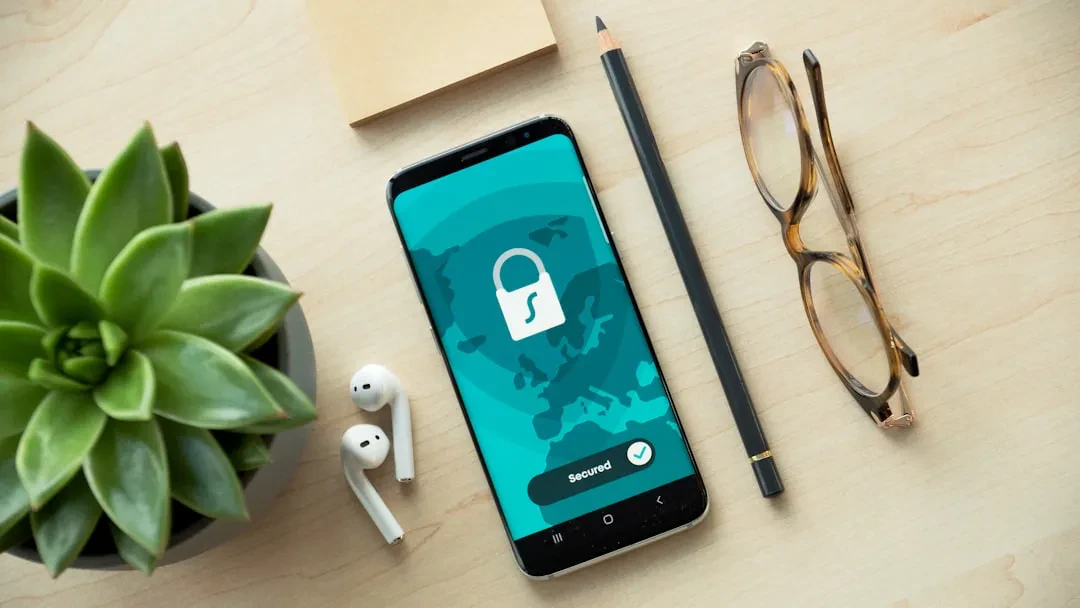
The Attorney General of Texas has sued Meta, claiming that WhatsApp does not provide genuine end‑to‑end encryption. The lawsuit, filed as the Senate candidate seeks visibility, has been met with skepticism by industry experts. Critics point to a lack of factual support in the allegations, which appear to be based on misinterpretations of the Signal protocol underlying WhatsApp. End‑to‑end encryption technology ensures that only the sender and recipient can read messages, but the lawsuit challenges the presence of backdoors for content moderation. The issue touches a raw nerve: balancing user security with platform control. If the ruling favors Texas, it could impose technical transparency that would weaken the privacy of half a billion users. For more on the evolution of security in social platforms, read our article on Digital Security Under Siege.
Sponsored Protocol
Trump Mobile leaks home addresses and phone numbers
A more concrete incident comes from Trump Mobile, the mobile service provider linked to the former president. The company admitted a data breach that made customers' personal information publicly accessible, including home addresses and phone numbers. The flaw emerged after some users noticed their data appearing on reverse lookup sites. Trump Mobile confirmed the exposure but has not clarified the total scope. The case highlights how risky it is to entrust sensitive data to operators with weak security infrastructures. The lack of transparency on timing and corrective measures raises compliance questions under GDPR and CCPA. For broader context on mobile vulnerabilities, refer to Wikipedia's data breach article.
Sponsored Protocol
Iran funnels billions through Binance
The picture darkens further with Wall Street Journal revelations that Iran funneled billions of dollars through Binance to fund its military, violating international sanctions despite the exchange's declared compliance measures. U.S. authorities are investigating suspicious transactions that exploited the platform's liquidity and decentralization to bypass blocks. Binance, already under global scrutiny for weak anti‑money laundering controls, now faces allegations that could accelerate demands for strict licensing. The combination of blockchain technology and lax regulation remains a double‑edged sword: offering financial privacy while becoming a channel for illicit flows. This situation underscores the urgency for an international cryptocurrency framework, as previously discussed in this Engadget report.
Sponsored Protocol
Future implications for digital security
These three cases, though different, paint a future where privacy is increasingly contested. The Texas lawsuit against Meta could redefine encryption as a tool for defense or offense. The Trump Mobile breach proves that no brand is immune to human or infrastructural errors. And the Binance‑Iran scandal highlights the dark side of financial innovation. For users, the lesson is clear: individual vigilance is not enough; robust regulation and full transparency from companies are necessary. 2026 is shaping up to be the year when digital security stops being an option and becomes a matter of social survival.