The landscape of initial public offerings in the tech sector experienced a historic day with the simultaneous filing of S-1 documents by two completely different yet equally revolutionary companies. On one side, SpaceX has officially begun its path to going public, aiming to become the largest IPO in American history. On the other, Oura, the Finnish maker of smart rings, has filed its request to enter Wall Street, capitalizing on the growing focus on wearable health. These two pieces of news, arriving in the same week, paint a fascinating picture of a market where space ambition and personal well-being run on parallel tracks.
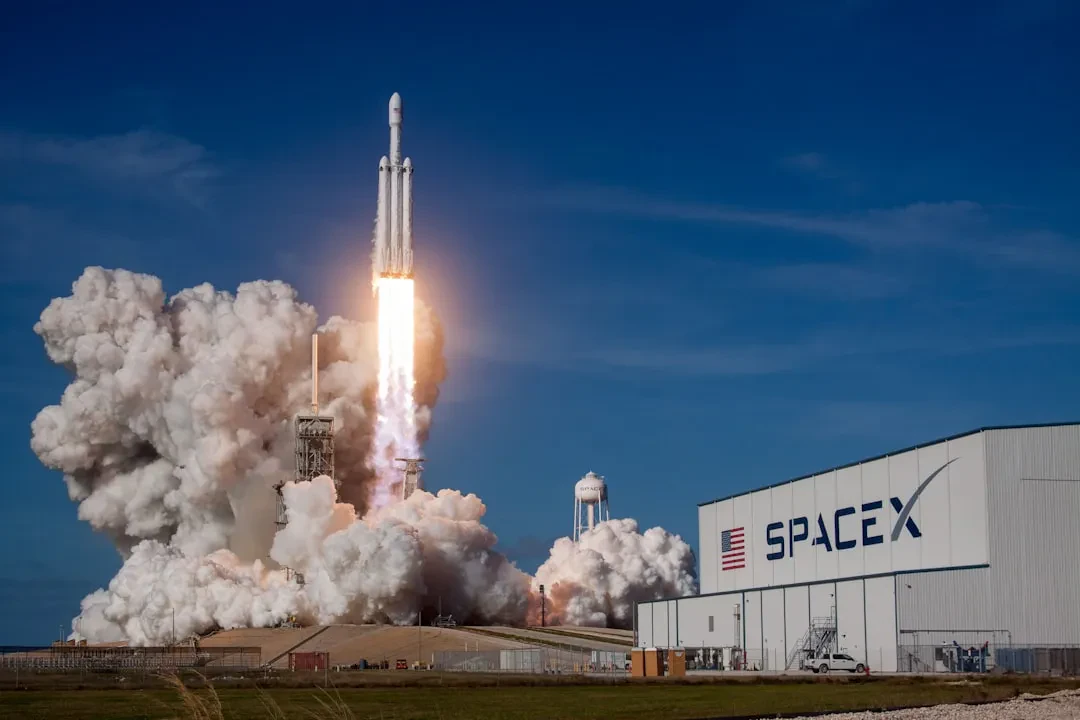
SpaceX's S-1 filing is a massive document: 36 pages dedicated solely to risk factors. The message is clear: Elon Musk is not just selling rockets. The total addressable market indicated by the company is $28 trillion, a number that encompasses not only satellite launches and government missions but also future Martian colonies. The CEO's compensation package is tied to success in establishing a human presence on Mars, a goal that pushes the target valuation to record levels. The figure could surpass Aramco's IPO, but with a substantial difference: while the oil giant represents the past, SpaceX embodies the future of human infrastructure. Investors face a crossroads that mixes traditional financial calculations with a healthy dose of faith in the long-term vision. The recent test flight of Starship V3 demonstrated technological capability, but operational and regulatory risks remain enormous.
Sponsored Protocol
In parallel, Oura announced it has sold 5.5 million smart rings since launch, a figure positioning it as the undisputed leader in the non-invasive wearable sector. Oura's IPO does not aim for astronomical figures like SpaceX, but it represents a validation of the preventive health market. Unlike smartwatches, Oura's ring offers continuous monitoring of sleep, heart rate, and body temperature without the distractions of a screen. The Finnish company has built a solid ecosystem, collaborating with researchers and insurers to prove the efficacy of its data. The listing will allow for expanded production and funding for new sensors, such as non-invasive glucose monitoring. This movement fits into a broader trend of attention toward digital health, which is redefining the concept of personal wellness. In this context, even giants like Apple are investing heavily in health, as analyzed in the deep dive into Siri 2.0 and iOS 27, a sign that the sector is destined for exponential growth.
Sponsored Protocol
Implications for the Tech Market and Regulation
These two IPOs are not just financial events but genuine litmus tests for technological evolution. SpaceX, with its staggering valuation, pushes the boundaries of what public investors are willing to accept in terms of risk and time horizon. If the offering succeeds, it could open the door for other space industry companies, creating a new stock market segment dedicated to exploration tech. On the other hand, Oura demonstrates that the wearable device market is not limited to big screens. Its listing could trigger an IPO rush among health-tech startups, as evidenced by the growing interest in AI platforms applied to mental health.
Sponsored Protocol
From a regulatory standpoint, both companies will face strict scrutiny. SpaceX is under the lens of the Federal Aviation Administration and the Securities and Exchange Commission for risks related to mission safety and financial transparency. Oura, meanwhile, must manage the privacy of users' health data, a sensitive topic that could attract attention from the Food and Drug Administration if the company develops diagnostic features. The road to listing is paved with obstacles, but the allure of a future where we travel to the stars while monitoring every heartbeat is too strong to ignore.
Sponsored Protocol
To further explore the impact of these dynamics on the digital landscape, a reading of Wikipedia's overview of the IPO process and recent market trends is recommended. Additionally, the article on Google and the new AI search offers an interesting insight into how technology is reshaping traditional business models, a theme that ideally links SpaceX's space ambition and Oura's attention to detail.