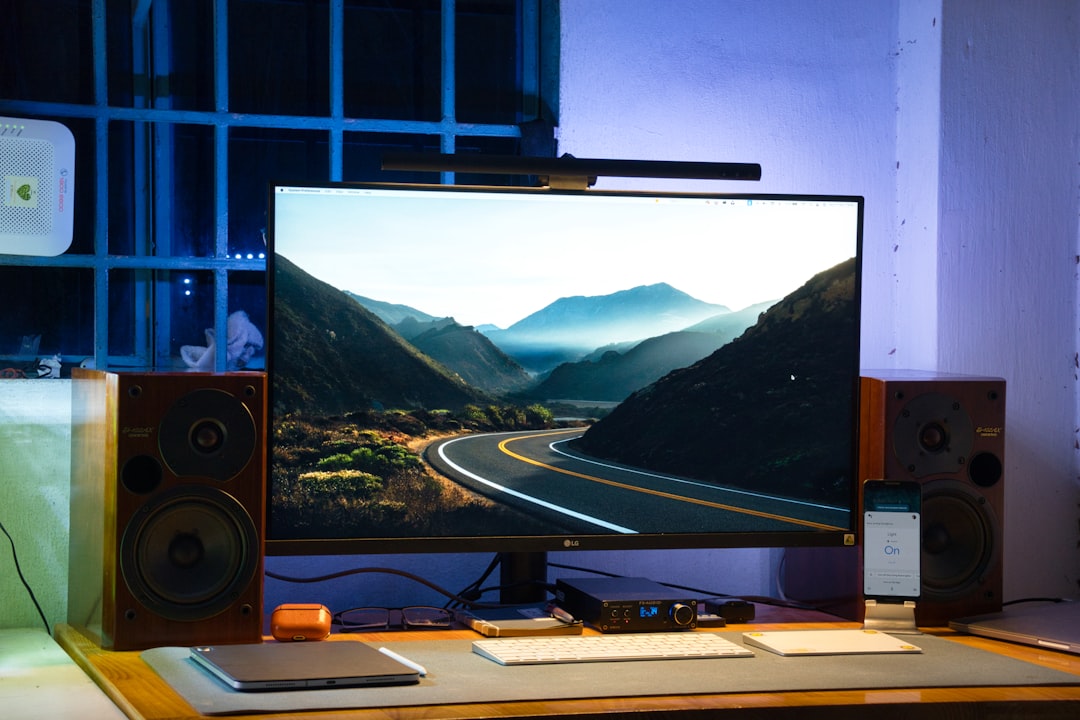
In recent days, LG was discovered to be automatically installing adware through its monitors when connected to Windows PCs. Users reported popups for applications like McAfee appearing on screen, forcing them to dismiss unwanted windows. The incident sparked widespread outrage online and even caught Microsoft's attention.
Microsoft contacted LG to stop the advertising popups
Microsoft confirmed that it had reached out to LG to address the issue. Pavan Davuluri, head of Windows, stated on X that LG agreed to disable the McAfee popups from its monitor app. "We have connected with the team at LG and as an immediate next step, they have agreed to disable the McAfee pop-up from their app. We appreciate LG working with us toward a shared goal of a better experience for our mutual customers," Davuluri wrote. This intervention shows that Microsoft found LG's practices unacceptable, going beyond the usual tolerance for OEM bloatware.
Sponsored Protocol
LG monitor software installs adware without consent
The issue arose when users discovered that LG monitor management software, automatically downloaded when connecting an LG monitor to Windows, included an advertising module. The software, designed to control monitor settings and functions, displayed popups with ads for McAfee and other apps. This practice was compared to pre-installed bloatware on PCs, but with the added twist of being delivered through a monitor, a device not expected to serve advertisements. One user posted a video on X showing the popup, writing: "Do NOT buy an LG monitor, it automatically downloaded an app that gives me pop ups for their own apps and McAfee. This cant be legal."
Sponsored Protocol
A broader issue: bloatware on Windows PCs
McAfee is among the most common pre-installed bloatware apps on many Windows PCs. Nearly all major OEMs include a free trial of McAfee, along with other trial software like Dropbox or Microsoft Office. However, LG's initiative was deemed a step too far because the software was not only pre-installed but also pushed through an external device. Microsoft, which has historically done little to reduce bloatware, felt compelled to intervene directly. The hope is that LG will make the change permanent, but it remains unclear whether the decision is final or just temporary to quell the backlash. The incident underscores the need for stronger control over adware and unwanted software in the Windows ecosystem.
Sponsored Protocol
For further reading, see also the report on an indie game delivering malware via Steam Workshop. Moreover, the debate over AI-driven homepages on Netflix and Prime Video highlights user skepticism towards unsolicited content. Finally, Google now requires Android 7.0 for Play Services, ending support for Marshmallow after 11 years.