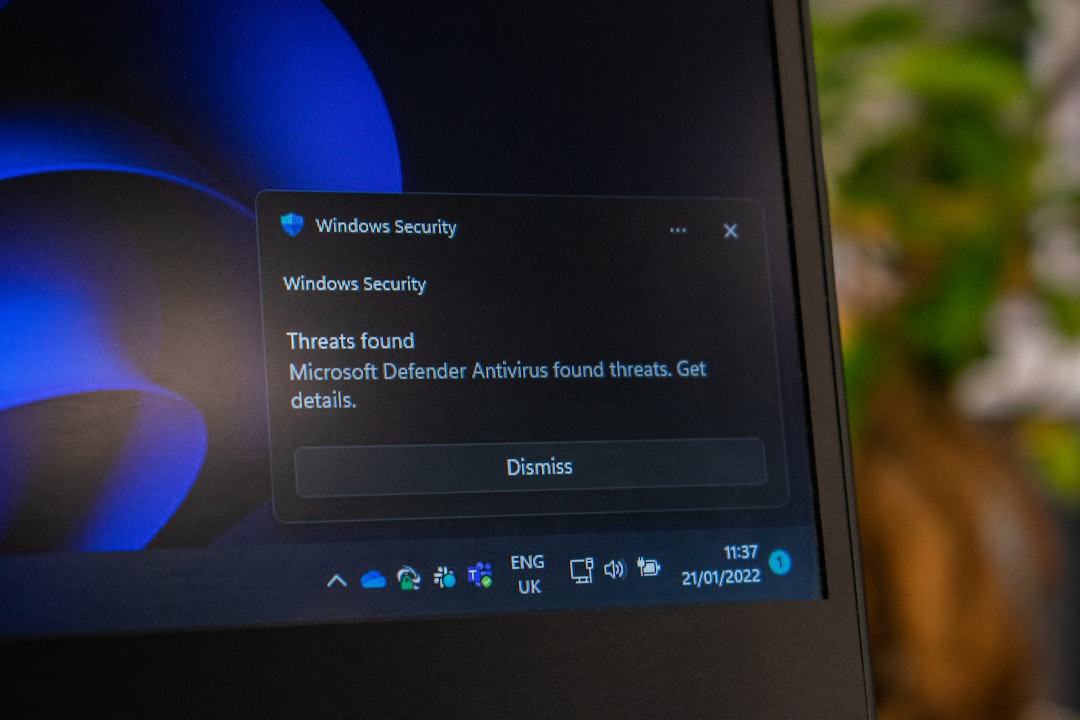
Microsoft released an update to fix a zero-day vulnerability in its Defender antimalware engine, but the patch may cause an unintended side effect: completely filling the system's hard disk. The flaw, dubbed RoguePlanet and tracked as CVE-2026-50656, was discovered by researcher NightmareEclipse, who disclosed it publicly in June along with exploit code. The vulnerability allows remote attackers to gain administrative control over Windows 10 and Windows 11 machines, even when real-time protection is disabled. Over the past few months, the same researcher has published other zero-days that have forced Microsoft to scramble for fixes.
The RoguePlanet vulnerability and researcher NightmareEclipse
RoguePlanet came to light when NightmareEclipse, a pseudonymous security expert, published the exploit code demonstrating how to bypass Windows defenses. The flaw resides in the Microsoft Malware Protection Engine, the core of the Defender antivirus. By exploiting RoguePlanet, an attacker can write files of unlimited size to the victim's disk, quickly exhausting available space. This not only freezes the system but can also prevent further security updates, worsening the situation. NightmareEclipse's discovery has highlighted a series of weaknesses that Microsoft is addressing with frequent updates.
Sponsored Protocol
Microsoft's patch and the hard disk side effect
According to the company, the patch was distributed last Wednesday via an automatic update to the antimalware engine. Users do not need to take any action; installation happens in the background. However, the researcher who discovered the flaw warned that the update itself can trigger the writing of large files, saturating the hard disk. This paradoxical behavior turns a fix into a potential problem. Microsoft has acknowledged the risk and is working on an additional correction. RoguePlanet fits into a broader context of cybersecurity threats, where hardware and software supply chains are increasingly under fire. For example, as reported in a related article, China sets its sights on Nvidia chips, eluding US sanctions, highlighting how component security is critical. Even in the world of collaborative platforms, integrations multiply, exposing new attack vectors.
Sponsored Protocol
Security implications and user advice
Despite the side effect, it is essential to install the update to protect against RoguePlanet. Users should monitor free disk space and, in case of saturation, contact Microsoft support. The company stated that the update also includes defense-in-depth improvements. For more on security best practices, refer to the Wikipedia page on Windows Defender. This incident underscores how managing zero-day vulnerabilities requires constant attention and timely updates, even when they come with side effects. In a landscape where cyberattacks are increasingly sophisticated, balancing speed and reliability is crucial for system security.
Sponsored Protocol