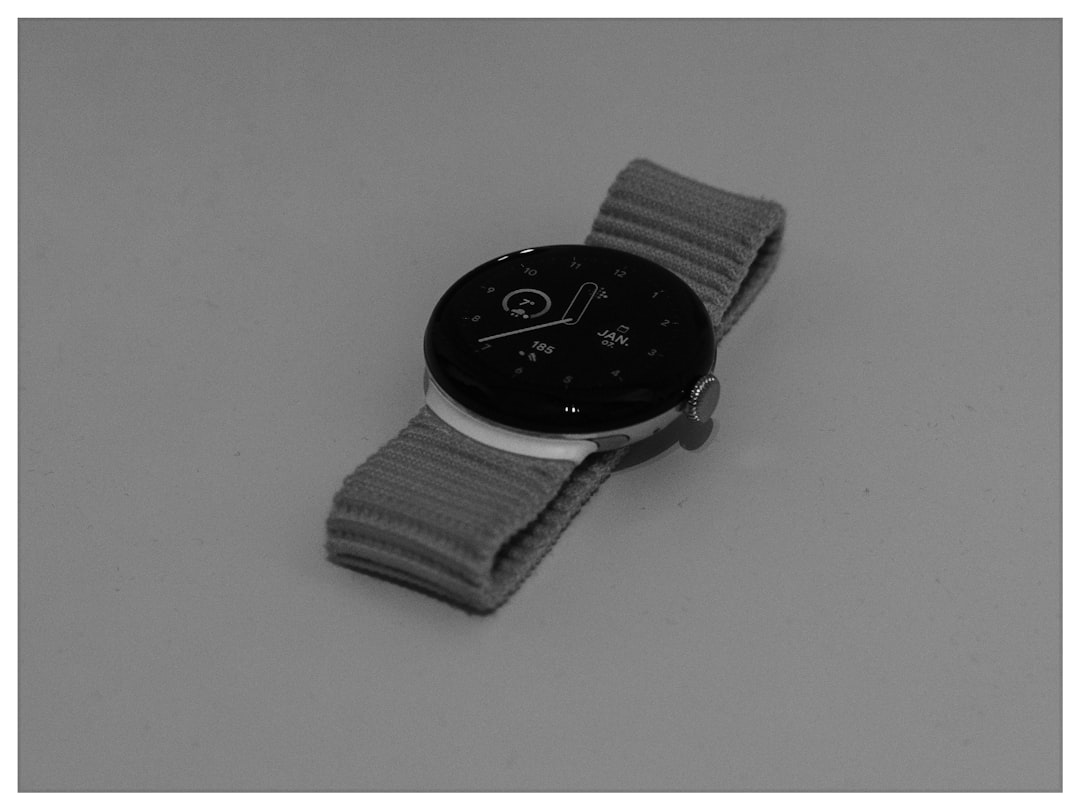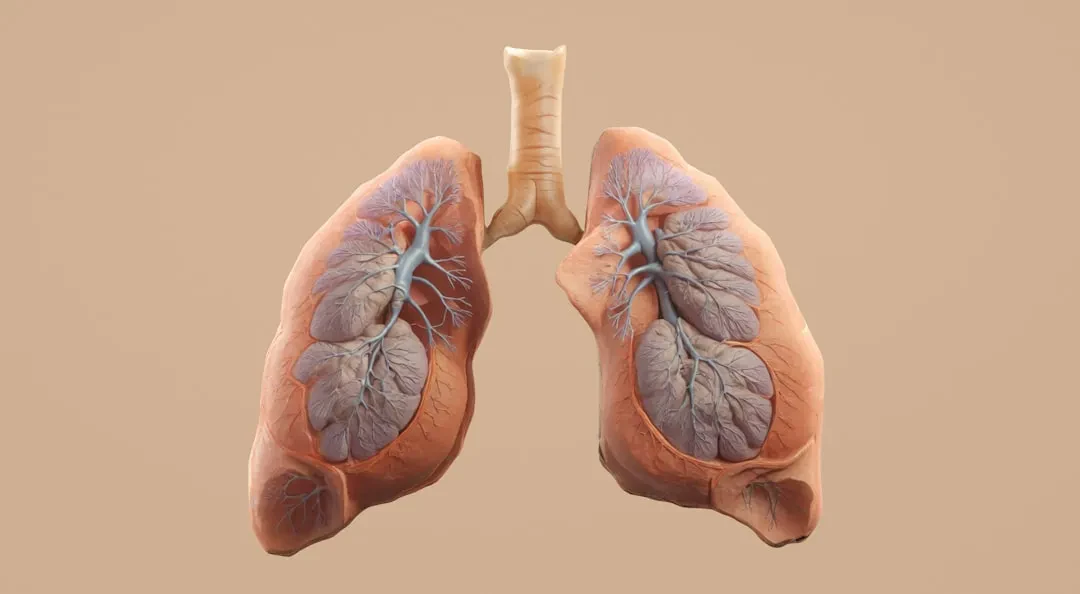
A team of researchers at MIT has created a groundbreaking diagnostic system for pneumonia and other lung conditions. The device, named PlasmoSniff, is a portable sensor that detects synthetic biomarkers in a patient's breath, offering a rapid and non-invasive diagnosis. This innovation could transform clinical practice, making the identification of respiratory infections as easy as breathing into a tube.
Portable sensor named PlasmoSniff
The project stems from a collaboration between Professor Sangeeta Bhatia's lab and the group of Loza Tadesse, assistant professor of mechanical engineering. The core of the system is an inhalable nanoparticle, designed to bind to specific enzymes produced by the body during an infection. In the absence of disease, the particles are eliminated intact; in the case of pneumonia, the enzymes snip off the biomarkers, which are then exhaled and measured by the sensor. The team had previously demonstrated the method in mice, as reported in a 2020 paper, but the measurements required laboratory-grade instruments. Now, using an enhanced form of Raman spectroscopy, an optical technique, the researchers have successfully detected extremely low concentrations of biomarkers in human breath. The next step is to integrate everything into a handheld device for use in clinics or at home. As Aditya Garg, an MIT postdoc and lead author, explains, the patient will inhale the nanoparticles and, within about ten minutes, exhale a synthetic biomarker that reports on lung status. This approach not only speeds up diagnosis but also reduces the need for invasive procedures like bronchoscopy. The research is part of MIT's broader commitment to scientific leadership in the US, a topic also covered in our article on MIT defending US research leadership.
Sponsored Protocol
How the technology behind PlasmoSniff works
The operating principle involves inhaling synthetic nanoparticles coated with biomarkers. These particles reach the lungs, where any enzymes produced by the immune system during an infection cut the biomarkers free, allowing them to be exhaled. The chip-scale sensor uses an enhanced form of Raman spectroscopy, an optical technique that illuminates molecules with laser light and analyzes their spectral fingerprint. The sensitivity is high enough to detect concentrations in the parts-per-billion range. The researchers tested the system on artificial and human breath samples, obtaining accurate results in under fifteen minutes. Compared to traditional culture tests or X-rays, the method offers faster diagnosis and can be performed by non-specialized personnel. Moreover, the technology is modular: by changing the nanoparticles, it could be adapted to detect other lung diseases or even specific pathogens. A crucial aspect is portability: the goal is a device the size of a digital thermometer, battery-powered and connected to a smartphone for data analysis. This would make it ideal for remote areas or developing countries where access to advanced diagnostics is limited.
Sponsored Protocol
Potential future applications beyond pneumonia
The system is not limited to pneumonia diagnosis. As Professor Tadesse points out, the same sensor could be used to detect industrial chemicals or airborne pollutants. Imagine a worker exposed to toxic solvents: a simple breath test could monitor exposure levels. In clinical settings, the platform could be extended to other respiratory infections, such as tuberculosis or COVID-19, or to chronic conditions like cystic fibrosis. The versatility of nanoparticles allows the design of synthetic biomarkers for a wide range of enzymes, making the system potentially universal. The team is already collaborating with MIT Technology Review to accelerate clinical development. If everything goes according to plan, first human trials could begin within two years. This innovation ties into research that uses artificial intelligence to interpret spectroscopic data, a topic explored in articles like using Google AI Studio for data analysis. In conclusion, the MIT breath test represents a significant step forward in point-of-care diagnostics, with the potential to save lives and reduce healthcare costs.
Sponsored Protocol