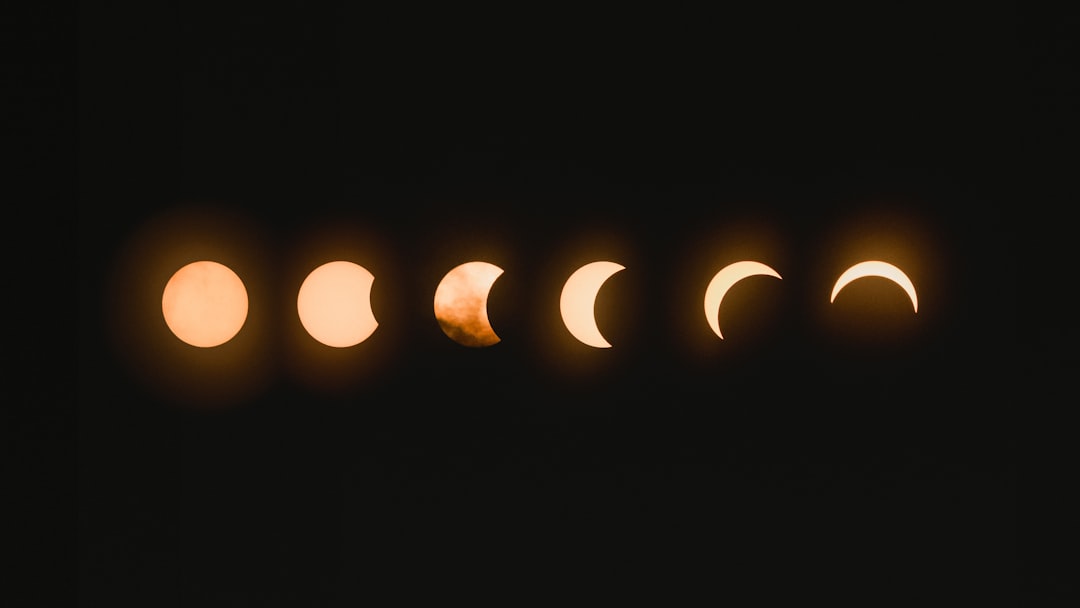
Exactly one month from today, on August 28, 2026, millions of skywatchers will witness a unique celestial spectacle. Earth's shadow will cover 96% of the lunar disk in an exceptionally deep partial lunar eclipse. Only a thin sliver of the moon will remain outside the darkest shadow, creating an 'almost blood moon' with the lunar surface taking on a deep reddish-orange hue.
Where the eclipse will be visible
The eclipse will be visible across Europe, Africa, the Americas and parts of western Asia. The Americas are particularly well placed: many observers will see the moon rise already deep in Earth's shadow. In the eastern United States and Canada, the 'almost blood moon' will climb above the horizon shortly before or during maximum eclipse. In Europe and Africa, the eclipse occurs before dawn on August 28. In the UK and western Europe, the moon will be low in the western sky during the final stages. Farther east, less of the eclipse will be visible before moonset.
Sponsored Protocol
What the moon will look like
Since 96% of the moon will pass through Earth's central dark shadow, called the umbra, the eclipse will appear very similar to a total lunar eclipse, also known as a 'blood moon'. The lunar disk will take on a deep coppery hue, with only a narrow bright silver rim remaining. This is the best lunar eclipse until New Year's Eve 2028, so it is worth preparing to observe it. Just like the excitement surrounding the Galaxy S27 Ultra with its long-awaited 6,000 mAh battery, the anticipation for this eclipse is high - one represents a leap in technology, the other in nature.
How to watch it safely
Unlike a solar eclipse, a lunar eclipse is completely safe to observe with the naked eye. No special equipment is needed: just clear skies and a view of the moon. Even with simple binoculars or a small telescope, the experience becomes even more fascinating. For those who cannot watch in person, live streams from various observatories will be available. For more details about this event, you can check the Wikipedia page on lunar eclipses.
Sponsored Protocol
In the coming days, viewing guides and tips for photographing the eclipse will follow. Do not miss this opportunity: the next eclipse of this scale will not occur until over two years from now.