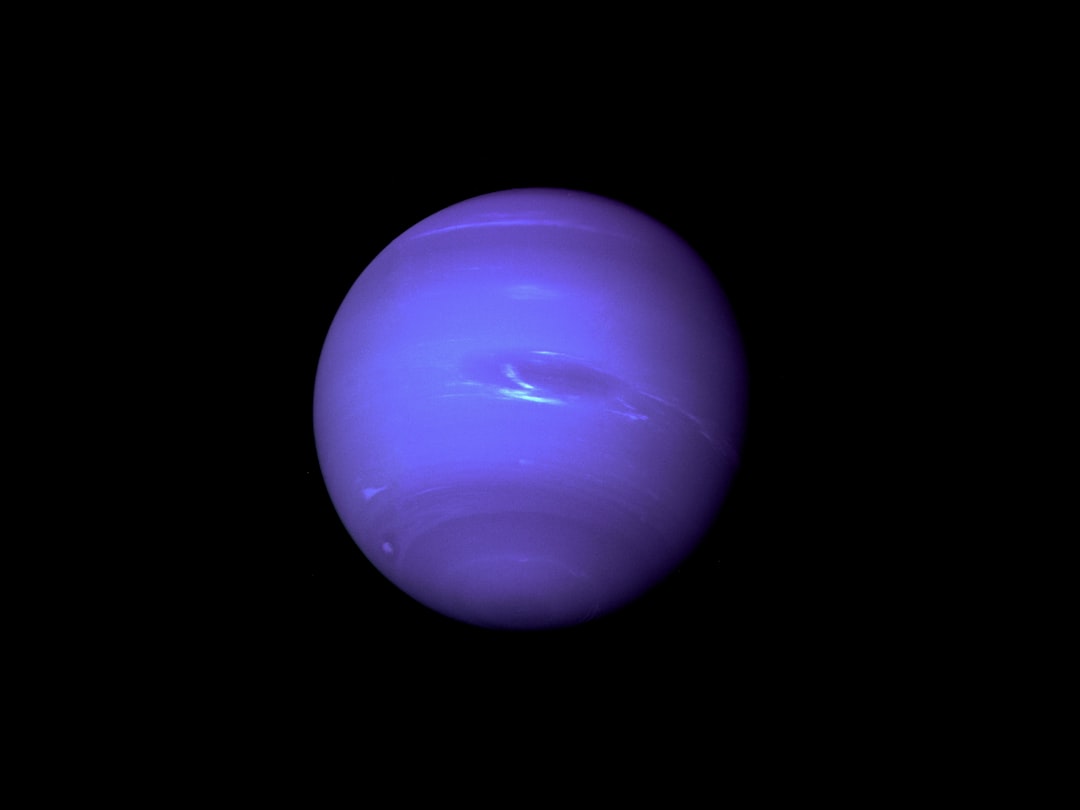
NASA's Voyager 2 spacecraft, launched in 1977, continues to amaze the scientific community with its longevity. After 48 years of operation, the agency has devised a strategy to ensure at least another year of functioning, despite the progressive decline in available power. The maneuver, described as "power conservation," was detailed in an official NASA statement.
The Challenge of Onboard Nuclear Power
Voyager 2, along with its twin Voyager 1, relies on a radioisotope thermoelectric generator that converts heat from plutonium decay into electricity. Unfortunately, the plutonium supply decreases by about four watts per year on each spacecraft, making power management increasingly critical. To address this reduction, engineers have shut down some non-essential instruments and adopted low-power alternatives to maintain the spacecraft's internal temperature, as NASA officials explained in the statement.
Sponsored Protocol
The power margin has become extremely thin, prompting the team to conserve energy by disabling non-vital components. This necessity has a measurable impact on scientific research: both spacecraft have already turned off two science instruments since early 2024, some after completing historic planetary flybys, others due to power requirements.
Three Instruments Still Active and a New Hope
Each probe initially carried ten instruments, but Voyager 2 now has only three operational. It seemed that one of these would have to be shut down later this year, but the recent power adjustments will allow all three to continue for at least another twelve months. The intervention, nicknamed "Big Bang," will be replicated on Voyager 1 in the coming months. Communications with the probes take nearly 24 hours for a one-way signal, and Voyager 1 is farther from Earth than its twin, currently at about 171 astronomical units compared to Voyager 2's 142 AU.
Sponsored Protocol
A Historic Mission Continues in Interstellar Space
The two probes were launched to take advantage of a rare alignment of the outer solar system's gas giants, namely Jupiter, Saturn, Uranus, and Neptune. Both flew past Jupiter and Saturn, providing unprecedented imagery of the planets and their moons. Voyager 2 then continued to Uranus and Neptune, becoming the first spacecraft to observe these worlds. Its last planetary flyby occurred in 1989.
Today, both probes continue to transmit data from interstellar space. Voyager 1 entered that region in 2012, followed by Voyager 2 in 2018. Voyager 1 is the most distant human-made object, about 15.9 billion miles from Earth. NASA has recently emphasized the importance of these missions, which have exceeded all expectations and continue to provide invaluable information about our corner of the universe.
Sponsored Protocol
For space exploration enthusiasts, the longevity of the Voyagers is a testament to human engineering. The news of Voyager 2's lifespan extension fits into a context of constant interest in NASA's historic missions, as also demonstrated by attention to other innovative projects described in related articles, such as the upcoming AirPods with cameras that Apple might launch in September. Managing power aboard the probes is a complex issue requiring creative solutions, similar to those adopted in other fields, like barber shop client management software, where resource optimization is key. The probe will continue to travel, carrying humanity's message toward the stars.