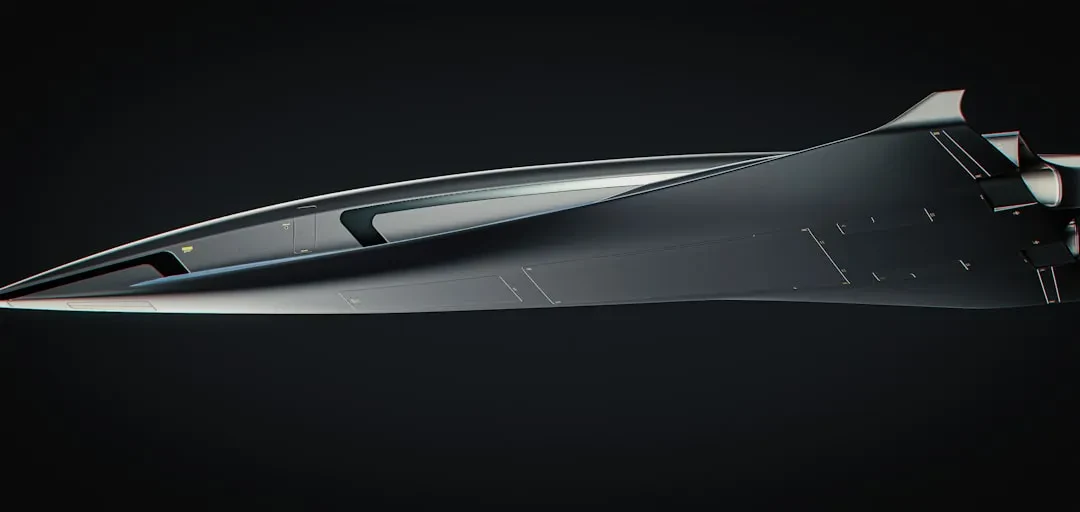
Two space and aviation giants are making headlines this week. NASA is gearing up for the first supersonic flight of its experimental X-59 aircraft, designed to break the sound barrier quietly. Meanwhile, SpaceX faces another grounding of the Starship rocket after a recent test ended in an explosion. Both stories carry significant weight for the future of flight and space travel.
NASA X-59 aims for quiet sonic boom
The X-59 QueSST is cleared for its first supersonic dash. After years of ground tests and simulations, NASA engineers will attempt to exceed Mach 1 over a designated area. The goal is to prove that a supersonic aircraft can produce a sonic thump instead of a disruptive boom. If successful, this could pave the way for commercial supersonic flights over land, currently banned due to noise regulations. The agency will measure community response to the low-noise signature.
SpaceX Starship grounded by FAA after debris concerns
On the other side of the space industry, SpaceX has been forced to pause Starship launches. The FAA grounded the rocket after the previous test flight ended with an explosion during reentry, scattering debris. Regulators demand additional reviews of the launch pad's flame deflector system and debris mitigation plans. For Elon Musk, this is another delay in a program marked by rapid iteration but high costs. The grounding comes as SpaceX secures billion-dollar contracts, including the Golden Dome space shield. The halt may push back timelines for lunar and Martian missions.
What this means for tech and policy
The X-59 success could unlock a multi-billion dollar market for supersonic aviation, while the Starship grounding highlights the growing tension between rapid innovation and safety regulation. Both cases underscore that technology is never neutral engineering choices have regulatory, environmental and social consequences. For more on SpaceX's defense contracts, check SpaceX and the Golden Dome. (Source: Engadget)
Sponsored Protocol