Silicon Valley is increasingly treating the human body as a platform to optimize, but 2026 marks a clear fracture between two opposing approaches: extreme enhancement with peptides and drugs on one side, and democratized fitness tracking without monthly subscriptions on the other.
The Enhanced Games and the Peptide Obsession
The recent Enhanced Games, dubbed the steroid Olympics, has spotlighted a trend already ingrained in the tech community. The competition, where most athletes used performance-enhancing drugs, is not just a sporting event but a manifesto for Bay Area biohackers. Peptides, in particular, have become the supplement of choice in the industry, promising muscle recovery, longevity, and cognitive performance. As reported by TechCrunch, this phenomenon foreshadows a new business model that Silicon Valley is ready to embrace, pushing the boundaries between medicine, fitness, and technology.
Sponsored Protocol
Subscription-Free Fitness Trackers, the Answer to Subscription Fatigue
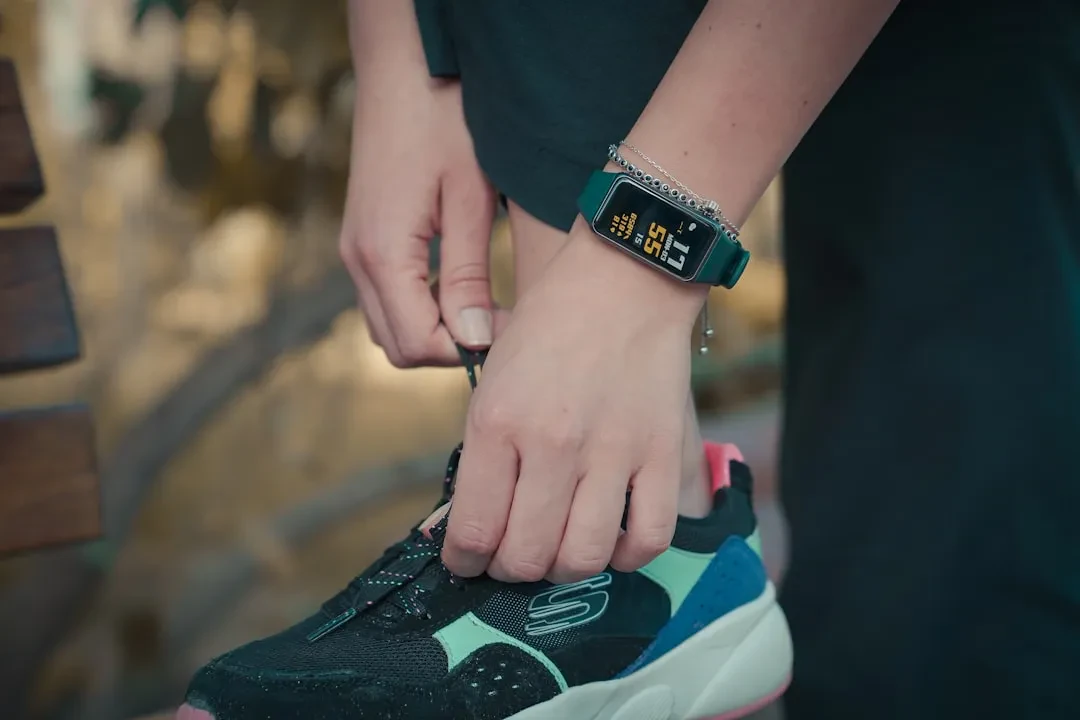
In stark contrast, demand is growing for devices that do not require monthly fees to unlock basic features. Fitbit, with its hybrid model, paved the way, but today alternatives like Whoop and other trackers offer essential metrics without a subscription. An Engadget analysis listed 5 fitness trackers that do not lock core features behind a paywall, signaling that the market is responding to user fatigue with subscription services.
Sponsored Protocol
This bifurcation between elite enhancement and universal accessibility defines the digital health landscape of 2026. While venture capitalists invest in peptide therapeutics startups, consumers demand transparency and devices that work out of the box with no hidden costs. For more on wearable assistants, read our article on Meta AI Pendant and Gemini Spark.