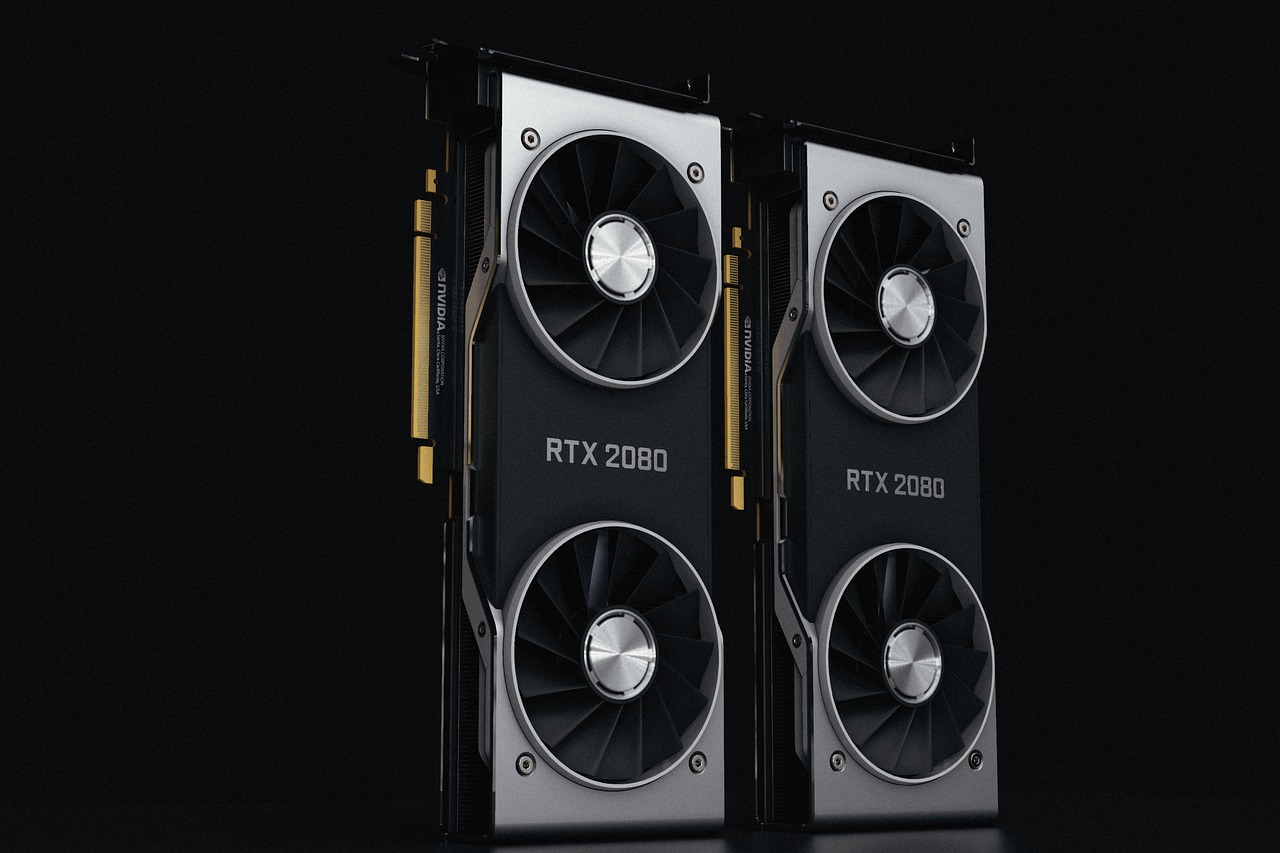
The world of technology is abuzz over recent statements by Jensen Huang, CEO of Nvidia, who has projected future sales of its revolutionary Blackwell chips and Vera Rubin AI system toward unprecedented financial milestones, estimated on the order of one trillion dollars. This bold forecast marks a crucial moment for Nvidia, positioning it as a dominant player in the era of generative artificial intelligence and high-performance computing.
The Impact of Blackwell and Vera Rubin
The new Blackwell architecture promises to offer a generational leap in terms of performance and energy efficiency compared to its predecessors. These chips are designed to handle increasingly complex AI workloads, from training large language models to analyzing scientific data on a vast scale. In parallel, the Vera Rubin system, named after the famous astronomer, represents a significant innovation in the field of data processing and machine learning, opening new frontiers in research and development.
The excitement surrounding these technologies is palpable. Leading companies in the tech sector, from market research to pure innovation, are already planning strategic integrations. Consider the impact these solutions could have on sectors like healthcare, finance, and scientific research. The ability to process enormous amounts of data in reduced time and with greater precision opens scenarios that were unimaginable until recently. This ties in perfectly with discussions on the wild automation of Gemini revolutionizing digital work, or the potential of Microsoft Copilot on Xbox, preparing consoles for the AI era.
Sponsored Protocol
The implications of these projections go beyond Nvidia's mere financial success. They reflect a broader trend toward the growing importance of artificial intelligence in every aspect of our digital and professional lives. The AI race is more heated than ever, with companies like OpenAI integrating technologies like Sora into ChatGPT to revolutionize video creation, or Meta powering its AI with international news. The integration of these advanced technologies also raises important ethical and safety questions, as highlighted by concerns regarding illegal AI content generated by xAI's Grok, or warnings from experts about the catastrophic risks of artificial intelligence.
Sponsored Protocol
Nvidia's ability to anticipate and guide these trends is a key factor in its success. The presentation of Blackwell and Vera Rubin is not just a product launch, but a statement of intent. The company positions itself not only as a hardware provider but as a fundamental enabler of the next wave of technological innovation. This is also reflected in the evolution of communication and entertainment platforms, as demonstrated by the revolution in personalized listening on Spotify or the new features of Anthropic's Claude AI.
Investing in these cutting-edge technologies requires a long-term vision and a deep understanding of market needs. Nvidia's strategy seems to focus precisely on this, creating solutions that not only meet current needs but anticipate future ones. Huang's announcement could mark the beginning of a new era for the semiconductor and artificial intelligence sector, with Nvidia firmly in command. It is a continuously evolving ecosystem, where innovation is the key to remaining competitive, just as in the case of the indie games about to conquer the gaming world or the new features revolutionizing the user experience on platforms like Facebook Marketplace.
Sponsored Protocol
The road to the trillion dollars is ambitious, but the foundations laid by Nvidia with Blackwell and Vera Rubin seem solid. The market will respond enthusiastically to these innovations, confirming the central role of artificial intelligence in shaping the future. The ability to manage enormous datasets and train complex models has become a strategic resource for any organization wanting to thrive in the digital economy. This is a recurring theme, from the rise of Xerox PARC, the birthplace of the digital future, to the birth of Wikipedia, which revolutionized knowledge.
Our Opinion
Jensen Huang's projections for Nvidia are not simple numbers, but a snapshot of a future where artificial intelligence is no longer an option, but an indispensable necessity. The audacity in predicting figures on the order of a trillion dollars for Blackwell and Vera Rubin testifies to a deep confidence in the capabilities of these technologies and their large-scale adoption. However, it is crucial to remember that behind every great technological advancement lie complex challenges, both in terms of equitable access and ethical implications. The AI race, while promising extraordinary progress on one hand, requires careful reflection on governance and responsibility on the other. Nvidia is undoubtedly pushing the boundaries, but the true measure of its success will lie not only in the profits generated, but also in how these powerful technologies are employed for the common good, avoiding abuses and ensuring an inclusive and secure digital future for all.
Sponsored Protocol
Original source: Click here for the source