The ecosystem of AI-assisted software development is undergoing a radical transformation. On one hand, OpenAI has announced that its powerful Codex model, designed to generate and understand code from natural language, is officially arriving on mobile devices. On the other, the open source community has warmly welcomed Clawdmeter, a tiny desktop dashboard that turns Claude Code usage statistics into a real-time visual gauge. These two events, happening in the same days, sketch a future where developers can work anywhere without losing control over AI costs and performance.
Codex in Your Pocket The New Frontier of Mobile Programming
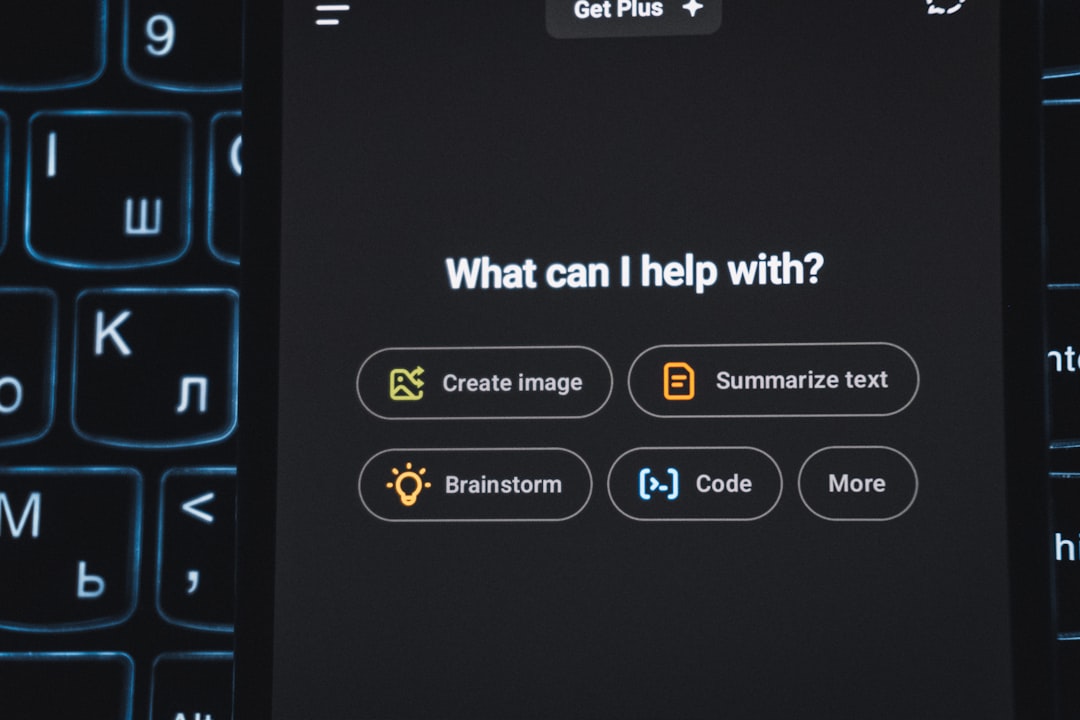
OpenAI's decision to bring Codex to smartphones and tablets is more than a technical update. The platform now offers users unprecedented flexibility in managing their workflows. Thanks to native integration with the mobile app, programmers can start refactoring sessions, generate complex snippets, and even debug directly from their phone. The power of a specialized AI coding assistant is now literally in your pocket, shortening the distance between an idea and its implementation. This is especially relevant for those working on the go or participating in offsite hackathons and development sprints.
Sponsored Protocol
Clawdmeter Transparency and Control for Power Users
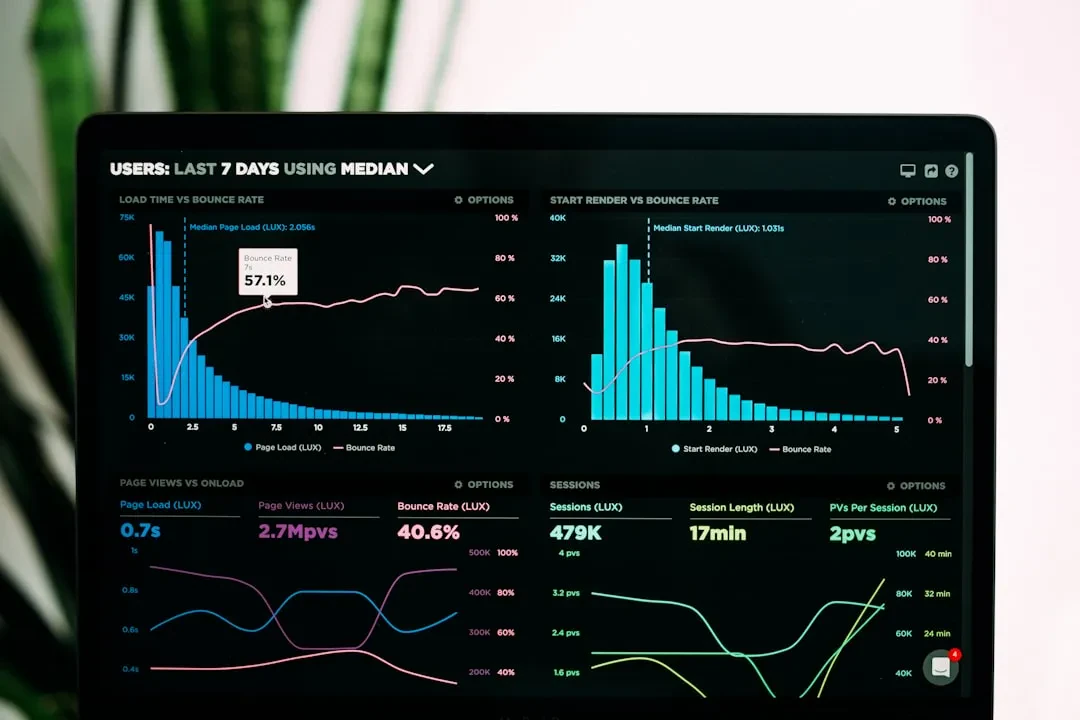
In parallel, Clawdmeter addresses a growing need among power users of AI coding tools. The open source device, which looks like a miniature desktop display, reads usage statistics from Anthropic's Claude Code. It shows metrics such as request count, estimated cost, and response speed, allowing real-time monitoring of the economic and computational impact of development activities. This is not just a stylish gadget but a tool for awareness in an era where AI is not free and knowing exactly how much each coding session costs becomes essential for freelance developers and small teams.
The Rise of Hybrid AI Work and New Market Dynamics
The portability of Codex and the transparency of Clawdmeter arrive at a time when the entire tech industry is reshuffling priorities. Major companies like Cisco invests billions in AI while cutting traditional jobs, signaling that software automation will become increasingly central. At the same time, the battle for talent is heating up, as documented in the Musk vs. Altman trial, where accusations of brain drain and talent hoarding emerge. The ability to code remotely with AI becomes a competitive factor; those who can develop anywhere with transparent costs will have a huge advantage.
Sponsored Protocol
Implications for Code Security and Privacy
Moving coding to mobile and relying on monitoring dashboards introduces new security challenges. Sensitive code data travels over mobile networks and is processed on external clouds. Just as OpenAI expands its platform, concerns about vulnerabilities also grow, such as those recently discovered on ChatGPT, Windows, and macOS documented in an in-depth cybersecurity analysis in the AI era. Tools like Clawdmeter, being open source, offer more control but still require careful configuration to avoid metadata leaks.
Toward a New Development Paradigm
The union of extreme mobility and accurate measurement of AI resources represents perhaps the most significant change in how we code since the advent of cloud computing. The developer of the near future will no longer be tied to a fixed desk, but will be able to fix bugs while traveling on a train or participate in code reviews from a phone, with the certainty of not exceeding the computational budget. Tools like OpenAI's Codex model and the granular monitoring offered by Clawdmeter are laying the foundation for a more flexible, efficient, and transparent ecosystem. The challenge will be to balance this freedom with the need to maintain high standards of security and privacy in an industry where innovation runs faster than regulations.
Sponsored Protocol