Last week delivered two seemingly unrelated but deeply connected stories that map the current state of the video game industry. On one hand, the original Doom soundtrack was officially inducted into the National Recording Registry at the Library of Congress, a recognition that solidifies Bobby Prince's work as national cultural heritage. On the other, Amazon Games once again hurled its long-awaited Lord of the Rings MMO back into the fires of Mount Doom, canceling the project after years of troubled development. Two tales of preservation and destruction, of legacy and industrial risk.
A Sonic Masterpiece Among American Treasures
The Doom soundtrack, released in 1993, joins a collection that includes masterpieces like Beyoncé's “Single Ladies” and Taylor Swift's 1989 album. This is not mere nostalgic curiosity: the Library of Congress recognition confirms the cultural impact of music that defined a genre. The heavy metal guitar riffs and MIDI compositions by Prince were not just background; they were integral to the gaming experience, amplifying the claustrophobic and adrenaline-fueled atmosphere of id Software's title. This official induction is a fundamental step toward the academic legitimization of video games as an art form, a hot topic in 2026 as digital preservation becomes ever more urgent. The historical memory of the medium, as seen in other recent cases, is fragile and often threatened by commercial and technological pressures.
The MMO Failure in Middle-earth
In stark contrast, Amazon's decision to cancel the Tolkien-licensed MMO after years of work is a painful reminder of industry struggles. Despite the enormous success of the Amazon Prime Video series, the video game world has proven much more treacherous. The project, which would have competed with giants like World of Warcraft, fell victim to complex development challenges and a market where MMOs demand massive investments and a difficult-to-capture community. Amazon has stated it is still working on another game set in Middle-earth, indicating that interest in the franchise is not dead, but the strategy has been radically rethought. This news fits perfectly into a broader landscape where even giants like Razer continue to push high-end gaming hardware, as demonstrated by the Razer Blade 18, a product that bets on raw power rather than unstable online services. The race for luxury hardware seems a safer bet than risky original MMO investments.
The Legacy of Code and the New Frontier of Development
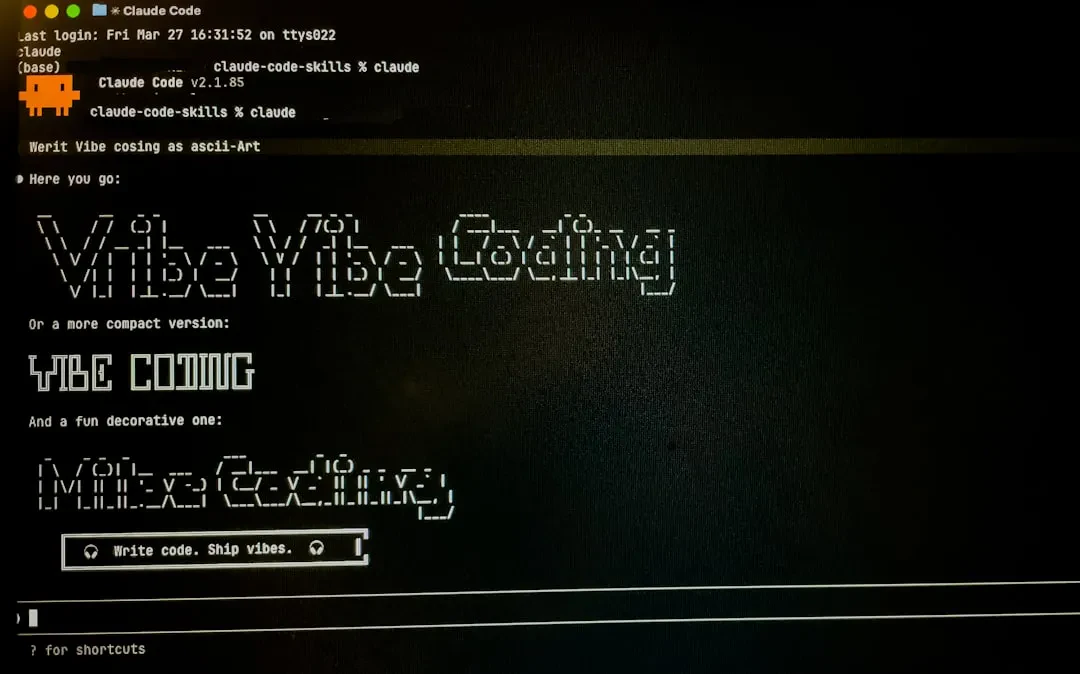
A common thread links the preservation of Doom and Amazon's failure: the value of code and creativity. Doom was made open source years ago, allowing generations of developers to study and modify it. That sharing philosophy fueled the modding culture and inspired tools like those described in the Vibe Coding movement, where self-improving AI is radically changing how software is created. The new era of development relies on open and collaborative paradigms, the exact opposite of closed, exorbitantly expensive projects that often sink under the weight of expectations. Amazon may have learned this lesson the hard way. While the Doom soundtrack is celebrated as art, Amazon's MMO becomes a cautionary tale of how industrial management can suffocate creative spark. The future of gaming, perhaps, lies in balancing these two forces, recognizing the value of history and experimentation.
Sponsored Protocol