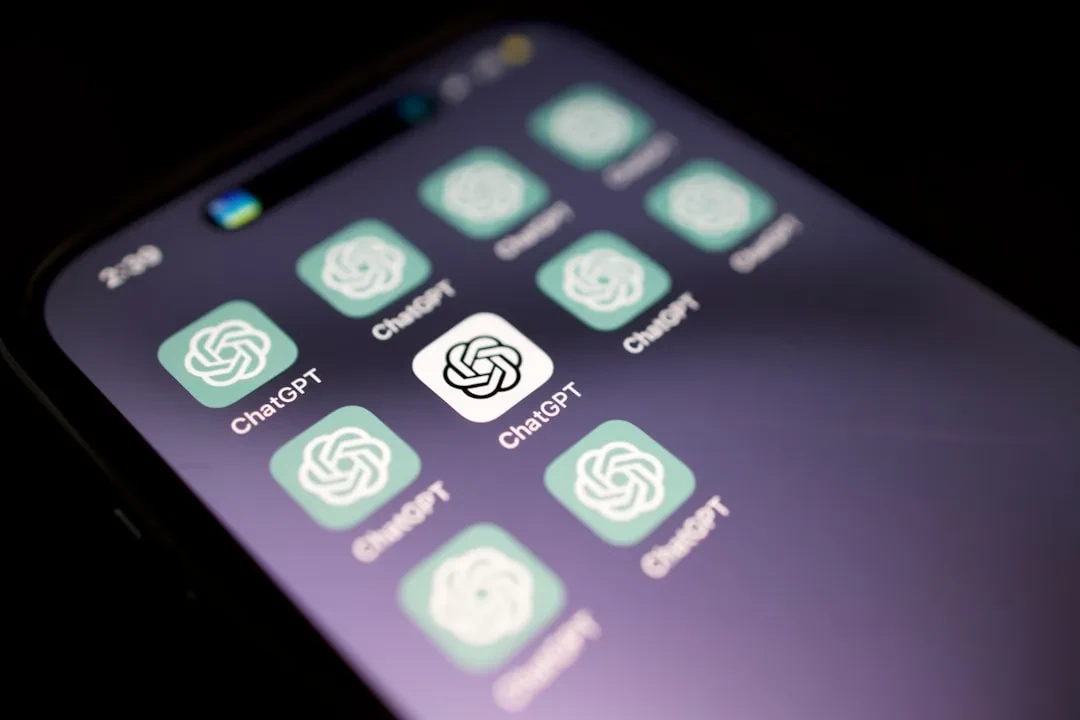
The technological landscape is buzzing following reports suggesting that OpenAI, the artificial intelligence powerhouse, is actively developing its own smartphone. This strategic move, revealed through detailed market analysis by analyst Ming-Chi Kuo, would mark a significant reversal from the company's previous statements that had ruled out direct entry into the mobile phone market.
A New Paradigm for Smartphone Interaction
According to Kuo's research, OpenAI has reportedly partnered with MediaTek and Qualcomm for chip supply and with Luxshare Precision Industry for mass production, slated for 2028. The final technical specifications for the chips and the selection of additional suppliers are expected to be finalized by late 2026 or the first quarter of 2027. The analyst emphasizes that the smartphone is uniquely positioned for AI agent utilization. This is because it is the only device capable of capturing a user's complete real-time state, including location, activity, communications, and context. These details serve as the most critical input for real-time AI agent inference.
Kuo firmly believes that AI agents will fundamentally alter how we interact with our phones. The user experience will shift from launching individual applications to a more seamless, context-aware interface focused on completing complex tasks. The ability to control both the operating system and the hardware is considered essential for OpenAI to deliver a comprehensive AI agent service. A subscription-based business model could also foster the creation of a developer ecosystem around these agents.
A Future Dominated by Conversational AI
This development represents a notable shift from OpenAI's previously announced hardware strategy. Past reports had consistently pointed towards hardware ambitions centered on form factors other than smartphones, developed in collaboration with Jony Ive. These plans included a smart speaker, smart glasses, a smart lamp, and potentially earbuds. OpenAI's Chief Global Affairs Officer, Chris Lehane, has indicated that the first hardware announcement is anticipated in the latter half of 2026, with a launch expected around early 2027. OpenAI's entry into the smartphone market would place it in direct competition with giants like Apple, which has long dominated with its iPhone, considered the benchmark for mobile innovation. The concept of a device that anticipates and fulfills our needs even before we articulate them, thanks to deeply integrated artificial intelligence, opens up fascinating and potentially transformative scenarios for our digital lives. The complexity of new devices and their integration with intelligent systems also raises questions about security, a topic already at the forefront of concerns due to increasingly sophisticated cyberattacks, which could also threaten critical infrastructure connected to our devices.
Implications for the Market and Consumers
OpenAI's foray into the smartphone market could lead to a redefinition of user interfaces and functionalities, pushing the boundaries of innovation further. As the market seeks increasingly integrated and personalized solutions, the emphasis on conversational AI and proactive task management might become the new standard. This could also potentially lead to an increase in online scams, as cybercriminals seek to exploit new technologies. The alarm regarding social media scams costing consumers billions serves as a stark reminder of the need for constant vigilance in a rapidly evolving digital ecosystem.
Source: https://www.macrumors.com/2026/04/27/openai-working-on-an-ai-smartphone
Sponsored Protocol