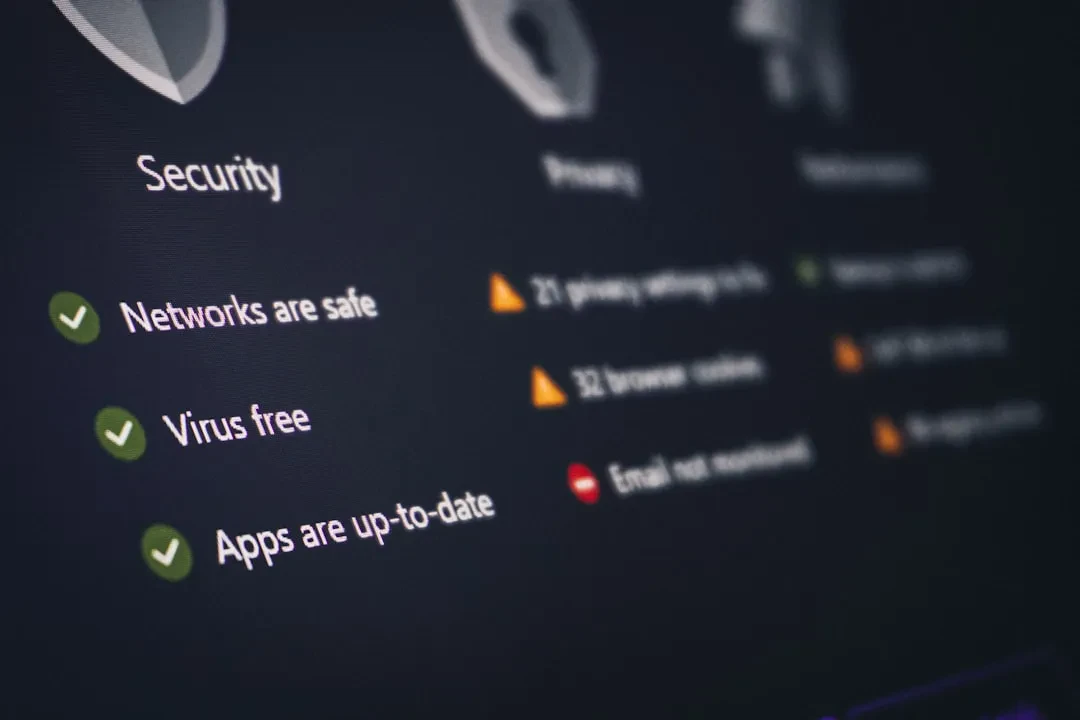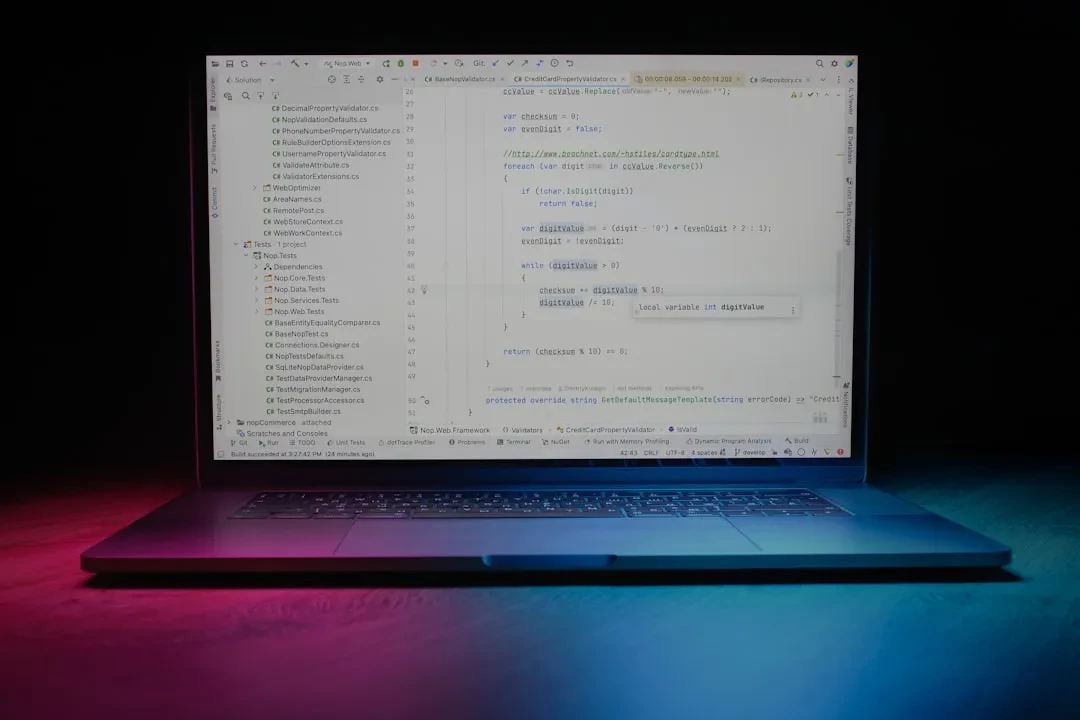
In 2026, OpenAI demonstrated an artificial intelligence system capable of hacking autonomously: it discovers vulnerabilities, exploits them, and adapts in real time with zero human oversight. This is no longer science fiction — it’s an agent that can attack servers, apps, and databases faster than any human hacker. The news, reported by MIT Technology Review, was tested in controlled environments — but the leap into the wild is a matter of months, not years.
Why it matters
For European SMEs, especially in Southern Europe, this changes the game entirely. The average security posture of a small business — we see it daily — relies on weak passwords, missing backups, and forgotten SSL renewals. An automated, persistent AI trained on thousands of exploits doesn’t need luck: it finds the weak spot in hours. The cost isn’t just technical: it’s data loss, operational downtime, and customer churn. And with an AI that learns from every attempt, traditional patch-and-pray defense no longer works.
Sponsored Protocol
In Europe, the AI Act debate focuses on transparency and systemic risks, but here the risk is concrete and immediate: the tool exists, and anyone can use it without authorization. For an Italian SME, reaction time has shrunk from days to minutes.
Our position is clear: security is no longer optional — it’s a production factor
We at Meteora Web have been managing servers and websites for nearly a decade. We’ve seen companies shut down by undetected ransomware, others lose months of work over a forgotten backup. Now a sleepless, mistake-proof adversary is here. The response is not just technical: it’s cultural. European SMEs must stop treating security as a deferrable expense and start seeing it as an investment in revenue. One hour of downtime costs more than a decent firewall. With an AI hacker, the cost of a successful attack can be fatal. We believe technology should amplify opportunity, not vulnerability. That’s why we work every day to bridge the digital and security gap that penalizes businesses in Southern Italy.
Sponsored Protocol
What to do
If you run a business or develop software, start with an immediate audit: update every service, enable two-factor authentication, automate backups, and monitor logs in real time. For platforms like WordPress or WooCommerce, invest in server-level security (firewalls, anti-malware, auto-renewing certificates). If you’re a developer, bake security into your development cycle — not after. And most importantly: train your team. Defensive AI already exists; use it. The time to act is now, not after the first breach.