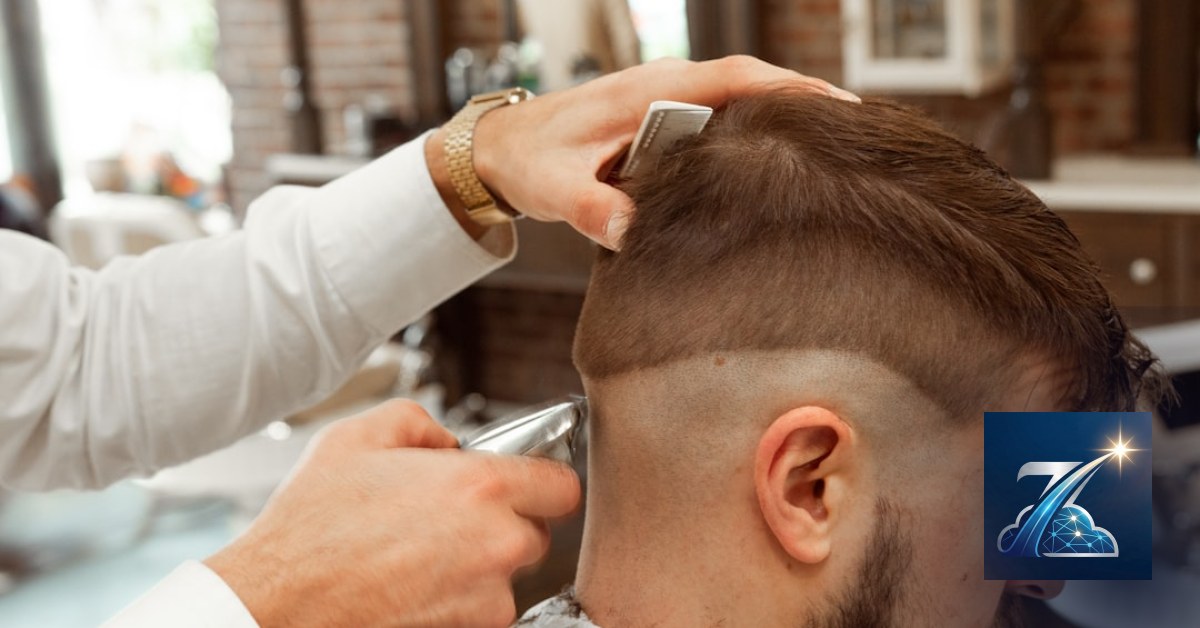
The personal recovery market is getting more specialized. Two recent stories highlight how wearable tech is becoming both targeted and expensive. Therabody unveiled the CryoTherm Palm, a portable device for instant palm cooling, while WIRED tested top red light therapy devices for hair regrowth, with visible results after 16 weeks of daily use.
Recovery Through Your Palms
Therabody, known for its Theragun percussion massagers, launched the CryoTherm Palm at 400 dollars. The device switches between cold, heat, and contrast therapy directly on the palms. According to the company, rapidly cooling the palms helps lower core body temperature and speed up post-workout recovery. This niche approach could change athletic routines. As noted in a recent piece on AI Hacking, even smart wellness devices must be shielded from cyber threats, a crucial factor when connecting such a gadget to an app.
Sponsored Protocol
Red Light for Hair: WIRED Tests
In parallel, red light therapy for hair regrowth is gaining credibility. A recent WIRED roundup analyzed the best devices of 2026, including caps and combs. Testers reported visible regrowth after 16 weeks of consistent use. The mechanism relies on mitochondrial stimulation of hair follicle cells, a well-established scientific process. Average prices range from 300 to 600 dollars, close to the CryoTherm Palm price point.
What This Means for Consumers
The convergence between physical recovery devices and aesthetic treatments signals a clear trend: wearable tech is becoming more vertical and specialized. For users, this means carefully weighing cost against benefits, but also data security, since many of these devices connect to cloud platforms. The full review of the CryoTherm Palm and the red light therapy guide are available on the respective external sources, while the risks of AI in connected devices are explored in the analysis on AI Hacking and account theft.
Sponsored Protocol