A curious and concerning phenomenon is spreading across Chinese roads. Experienced drivers, or perhaps overly confident ones, have started using small plastic heads, masks, and even LED screens to fool Tesla's onboard sensors. This cottage industry, featuring celebrity figurines and DIY gadgets, aims to bypass the automaker's safeguards designed to ensure alert driving. The Autopilot software, engineered to detect hands on the wheel and visual attention, is being systematically tricked with disarming simplicity. The issue raises deep questions not only about road safety but also about the effectiveness of artificial intelligence systems when faced with a creative and determined human adversary.
The mechanics of the trick and its variations
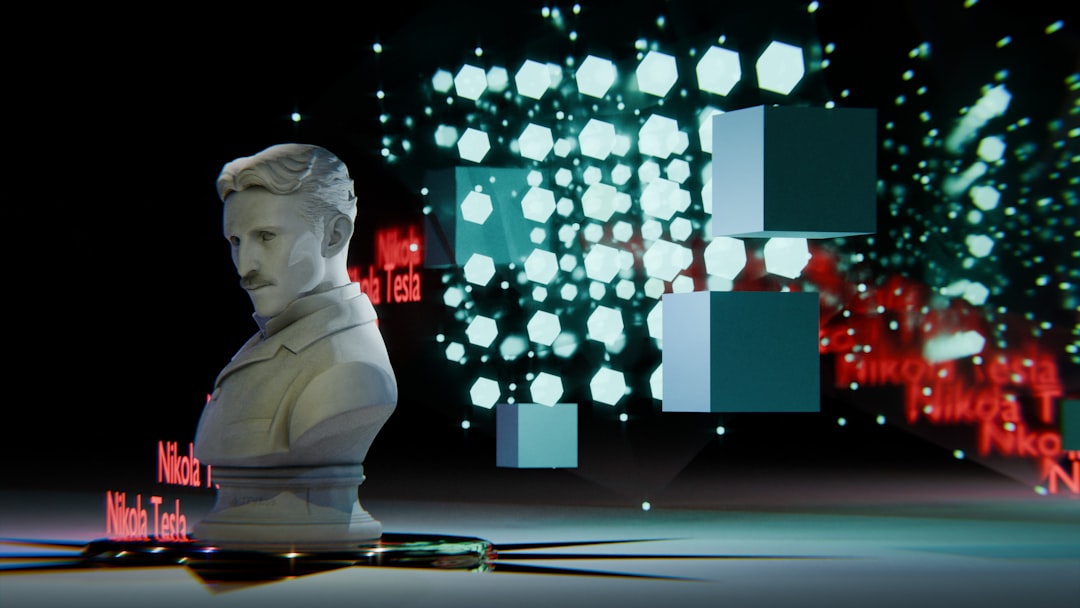
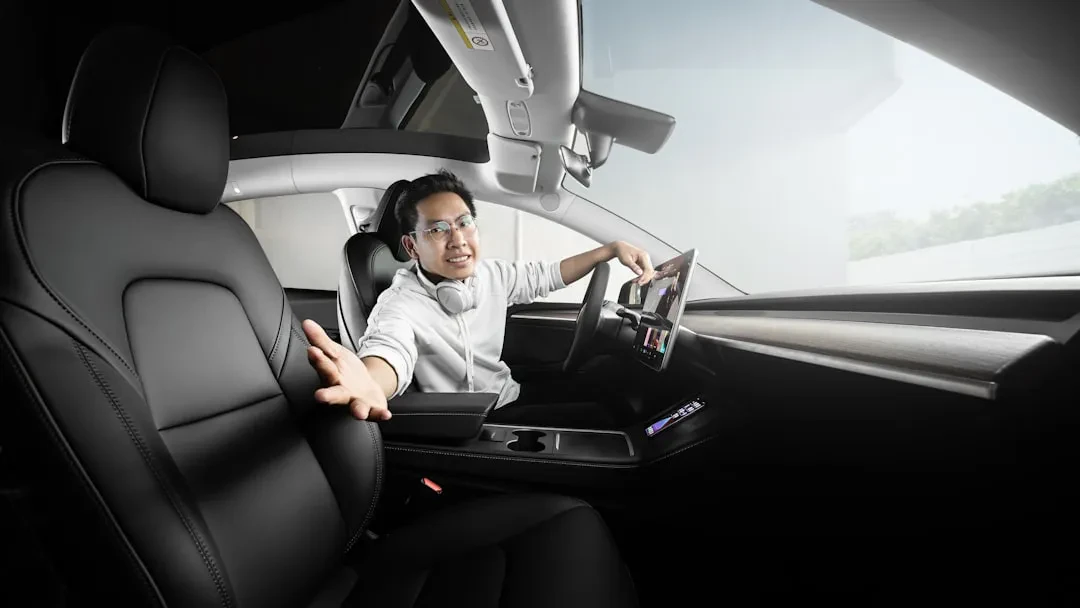
The most common method involves purchasing resin or silicone heads, often modeled after famous personalities, attached to the steering wheel with a suction cup. The pressure from the plastic fingers simulates the grip needed to deactivate touch reminders. More tech-savvy drivers use LCD screens that replay a human face in a loop, with eyes tracking the road, to fool the interior camera of Model 3 and Model Y. These devices exploit a regulatory gray area and are openly sold on platforms like Taobao, with prices ranging from a few euros to tens of dollars. Demand has exploded in recent months, fueled by viral videos on Douyin and WeChat. The manufacturers, often small local workshops, update their catalogs almost weekly, while Tesla responds with over-the-air software updates that attempt to detect suspicious patterns. However, as ongoing hacker innovations demonstrate, the battle is far from over. This dynamic closely mirrors challenges in the cybersecurity world, where every patch spawns a new generation of exploits. A fascinating parallel can be found in the comprehensive guide to ethical hacking and penetration testing, a field that teaches how to anticipate the countermeasures of the systems one aims to protect.
Sponsored Protocol
Implications for road safety and trust in autonomous systems
The deception is not just a tech prank. Driver distraction is a leading cause of accidents worldwide, and Tesla's Autopilot is designed as an assistant, not a driver. When a motorist successfully bypasses the controls, the car becomes a potentially lethal weapon. Chinese authorities have begun taking action, but with over one million Teslas on the road in the country, enforcement is complex. The Beijing traffic police have stated they will fine anyone caught with obviously altered devices, but proof is difficult. This situation echoes attempts to limit jailbreaks in AI models, such as those recently blocked by Anthropic. Companies must learn that safety cannot rely solely on sensors and algorithms if the user has an incentive to tamper with them. Designs that make bypassing not just difficult but also visibly dangerous are needed. For instance, Tesla could integrate a second verification layer, such as a random head movement request or infrared cameras detecting skin temperature. Meanwhile, the debate heats up: many argue the problem is excessive driver confidence, while others point fingers at the design of the Autopilot system itself. An interesting case study is offered by the use of AI agents to protect EV charging stations, where Spain demonstrated how artificial intelligence can defend critical infrastructure against unconventional attacks.
Sponsored Protocol
This episode shows that the line between innovation and irresponsibility is increasingly blurred. As tech companies race toward full automation, humans find creative ways to circumvent barriers. The solution may lie in a holistic approach, combining stricter regulation, driver education, and redundant sensors. To learn more about the history of the autonomous driving concept, you can consult the Wikipedia page on Tesla Autopilot, which documents its evolution and controversies. The road ahead is long, and plastic heads are only the latest symptom of a complex relationship between man and machine.
Sponsored Protocol