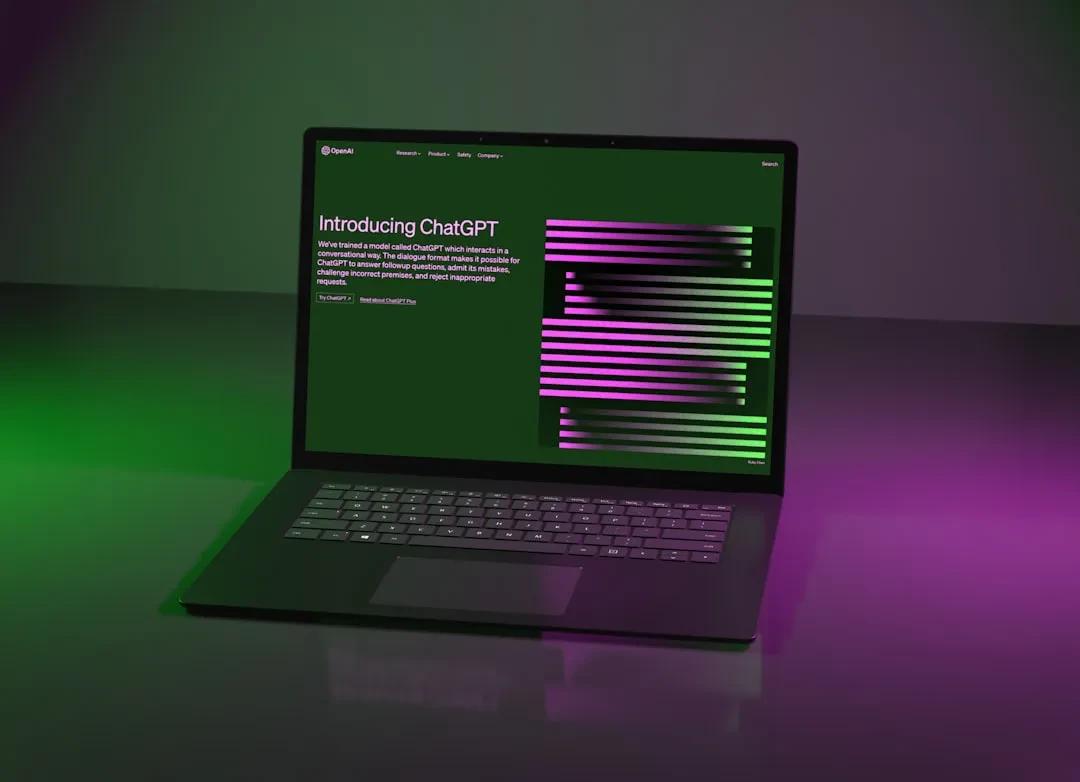
Wired just published 28 tips to improve ChatGPT prompts. It looks like a technical article, but it's a symptom: in the United States, generative AI is a daily productivity tool, and people are taught to use it to its full potential. In Europe, the conversation is still stuck on regulation and risks. The gap is not just regulatory — it's cultural.
Why it matters for Italian SMEs. Mastering prompts means cutting hours of work on texts, code, analysis, translations. It means turning a cost (the ChatGPT subscription) into an investment with measurable ROI. But without real training, AI remains an expensive toy. We see it in the projects we take on: companies paying for AI tools but unable to ask for the right output. Prompt engineering is like SEO: writing a sentence isn't enough — you need structure, context, iteration. The edge goes to those who know how to do it, not to those who own the model.
Sponsored Protocol
Our position
We, at Meteora Web, have said it for years: technology is a tool, not a magic wand. Wired's 28 tips are useful, but the real leap is cultural. While US companies train their teams to extract value from AI, many Italian SMEs buy the subscription and stop there. Meanwhile, Europe produces rules — necessary, certainly — but they risk slowing down practical adoption. The result is a widening digital divide, one that is also geographical: Southern Italy starts already behind. Our conviction is that Italy needs a national plan for AI literacy, built on real use cases, not abstract courses.
Sponsored Protocol
What to do, right now. If you are an entrepreneur, freelancer, or developer: invest 10 hours of practical prompt training with your team. Not on theory, but on real problems from your business — product descriptions, FAQs, draft quotes. Measure the time saved and the margin gained. And don't forget security: never insert sensitive or strategic data into public prompts. AI amplifies human work, but only if the person using it knows what they want to achieve.