Have you ever noticed a USB port colored purple and wondered what it meant? In a world dominated by black, blue, or yellow connectors, purple stands out as a decidedly unusual chromatic choice. This color is not random but hides a specific function related to power delivery. Unlike standard ports, purple is often a visual indicator of fast charging capability or higher current. Unfortunately, in the United States, this type of port is surprisingly rare, and the explanation lies in a mix of regulatory decisions, market preferences, and certification standards.
The Meaning of the Color Purple in USB Connectors
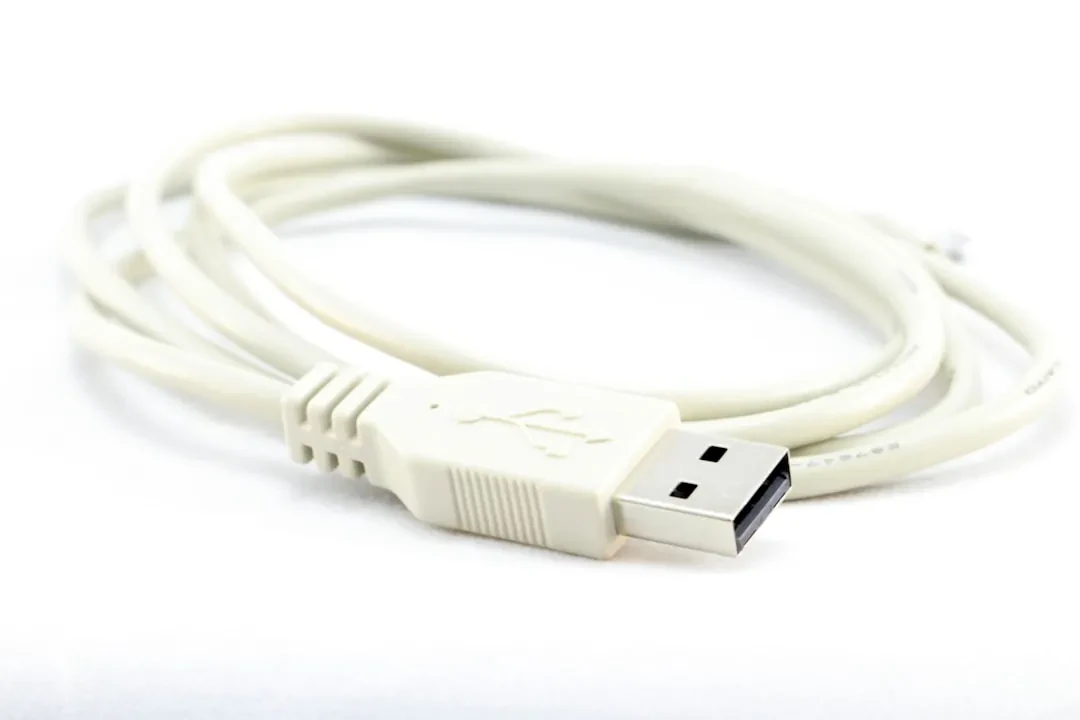
The color of a USB port can provide immediate information about its performance. The USB-IF (USB Implementers Forum) does not mandate a compulsory color code for electrical characteristics, but many manufacturers have adopted informal conventions. Blue is associated with USB 3.0, black or white with USB 2.0, yellow or orange with charging ports that work even when the system is off. Purple has become the distinctive color for ports offering high-speed charging, often referred to as Sleep and Charge or Always On. These ports deliver up to 2.1 amps or more, even when the computer is in standby mode, making them ideal for modern tablets and smartphones. However, unlike yellow, purple is less common and tied to specific laptop models and motherboards, particularly from business-class product lines.
Sponsored Protocol
Rarity in the U.S. Market
Why is purple so uncommon in the United States? The answer is multifaceted. First, the USB-IF has historically discouraged the use of non-standard colors to avoid confusing consumers. Many American manufacturers prefer to stick to neutral palettes to simplify the user experience. Second, the U.S. market is heavily influenced by companies like Apple and Dell, which favor minimalist designs and often avoid colored ports to maintain device aesthetics. Third, FCC (Federal Communications Commission) regulations regarding electromagnetic interference have pushed builders to focus on technical solutions rather than chromatic markings. As a result, purple appears almost exclusively on HP business laptops, certain ASUS and Lenovo motherboards destined for Asian markets, and a few niche accessories.
Sponsored Protocol
A Comparison with the Rest of the World
In Asia and Europe, purple is more common. Taiwanese and Chinese manufacturers have embraced this coding to differentiate their products in a highly competitive market. In Japan, for example, purple USB hubs are frequently found in electronics stores. The difference also reflects cultural approaches to design and technical communication. While the United States emphasizes implicit usability (the port works and that is enough), other markets prefer explicit signaling to reduce doubt. American travelers often discover purple for the first time abroad, surprised by its effectiveness.
Implications for Consumers and Developers
For those working in tech, knowing the meaning of these ports is useful for hardware optimization. For instance, when developing an interactive kiosk, using a purple port ensures continuous device charging without needing to power on the PC. This detail can make a real difference in business contexts. Moreover, the rarity of purple in the U.S. could become a competitive advantage for manufacturers who decide to offer it, standing out in a saturated market. But for now, anyone seeking a purple port must contend with limited availability, often relying on imports or specific models.
Sponsored Protocol
If you are curious about startup innovations and hardware trends, check out the article on Andrew Yang and startups lowering the cost of living, which discusses how tech solutions address real needs. For a solid foundation in digital infrastructure, refer to the definitive Firebase guide for web and mobile apps.
For a deep technical dive into USB specifications, the Wikipedia entry on USB hardware provides a comprehensive overview.
Source: https://www.engadget.com/2190885/why-some-usb-ports-are-purple-and-why-they-re-rarely-sold-in-the-us