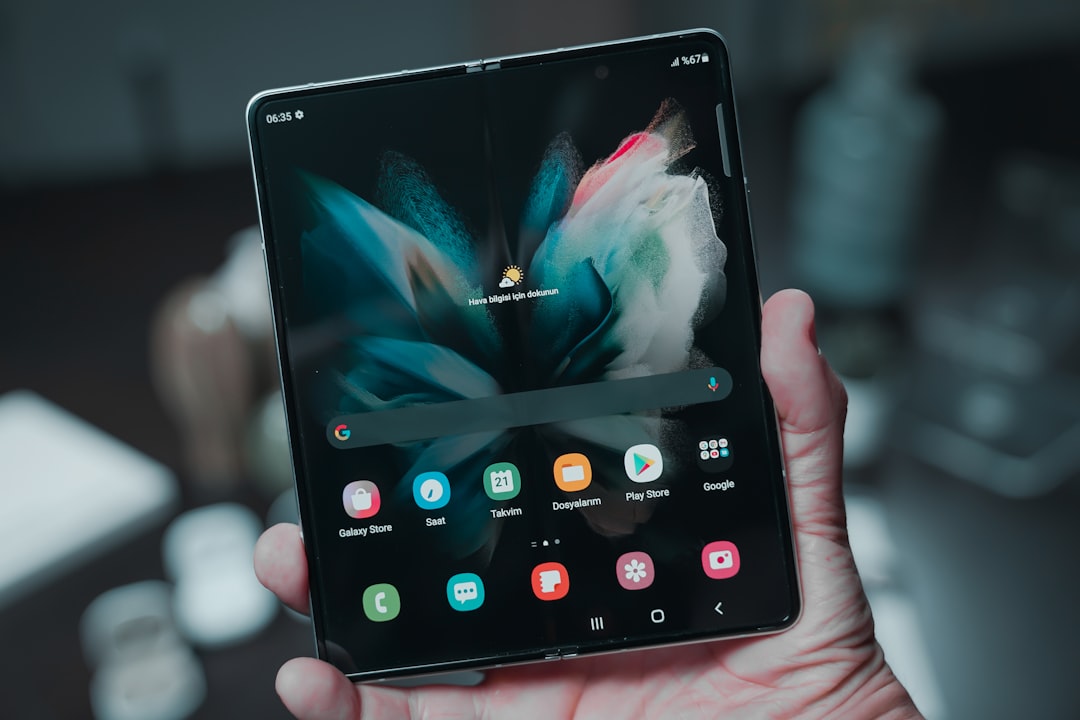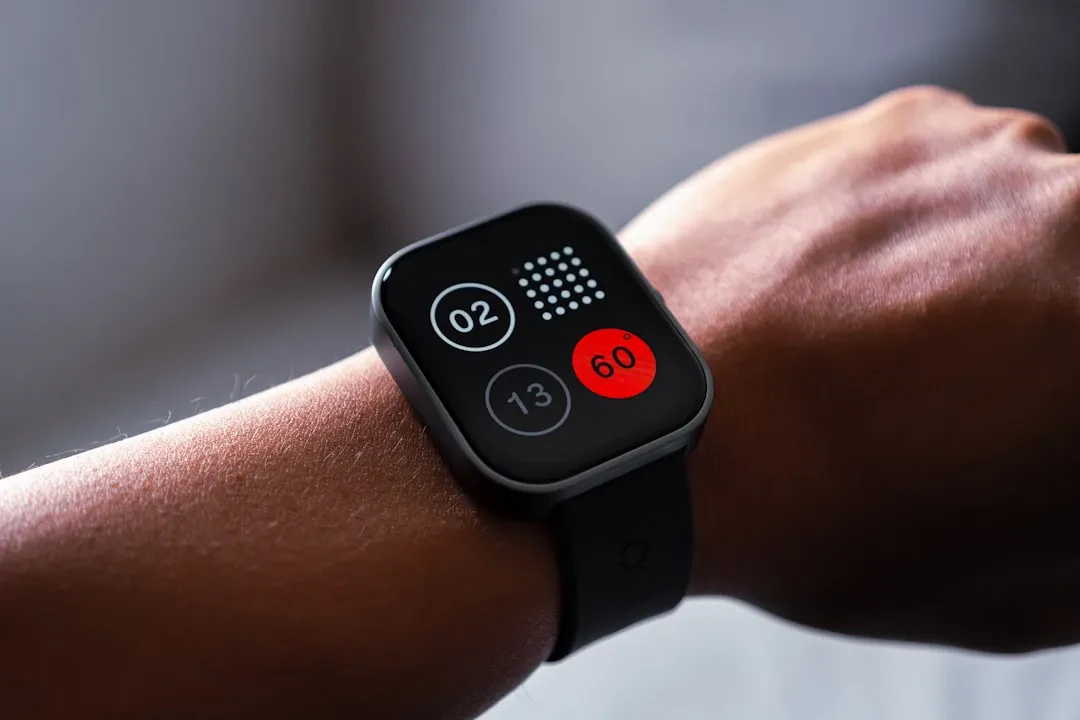
The wearable technology landscape is undergoing a radical shift. With the smartphone market seemingly reaching a plateau, Qualcomm has just launched an ambitious challenge: becoming the core chip inside the device that will one day replace the phone. CEO Cristiano Amon announced that the company is working on more than 40 different AI-powered wearable devices. These include smart jewelry, earbuds with built-in cameras, pins, and next-generation watches. This move signals a true paradigm shift.
An Ecosystem of Always-Connected Devices
Qualcomm's strategy is not limited to a single product. The company aims to power an entire ecosystem of objects that will interact with the user naturally and continuously. The embedded artificial intelligence in Snapdragon chips will be the true engine driving these devices. According to Amon, these are not mere smartphone accessories but potential replacements. Imagine a pair of earbuds capable of voice commands, taking photos, and translating conversations in real time, all without needing a phone nearby. Or a watch that monitors health and assists with daily tasks at an unprecedented level of autonomy.
Sponsored Protocol
This vision is backed by the announcement of two new chip products specifically for the wearable sector. Qualcomm unveiled a reference platform for AI wearables and a new processor optimized for power consumption and neural performance. The goal is to reduce dependence on the smartphone and offer a more immediate and immersive personal computing experience. The challenge is enormous, but the San Diego-based company starts from a position of strength, already being the leader in chips for wearables like smartwatches.
The Role of Generative AI
The real novelty is the integration of generative AI directly on the device. Until now, many voice assistants relied on the cloud to process complex requests. With Qualcomm's new chips, processing will be primarily local, guaranteeing instant response times and greater privacy for the user. This change is crucial to convince the public to adopt these devices as primary platforms. In a climate where data security concerns are growing, as shown by the Italian Antitrust investigation into iCloud and interoperability, having a device that processes data locally becomes a decisive competitive advantage.
Sponsored Protocol
It is no coincidence that reliable AI is a hot topic right now. The startup Probably raised $9 million to build a more reliable AI without hallucinations, a critical issue for anyone developing personal assistants. Qualcomm seems to have captured this need by focusing on chips that run small yet extremely precise language models. The computing power required to run a real-time AI assistant on an earbud or ring is now available thanks to Snapdragon's low-power architecture.
From Prototypes to Mass Market Products
The big question is: when will we see these devices on shelves? Amon stated that the first commercial models will arrive by the end of 2026. Partners like Samsung, Xiaomi, and various wearable startups are already testing the new chips. The AI wearable sector could explode in the coming months, opening huge opportunities for app developers and services. For a sense of the potential, just think about how smartwatches went from niche products to mass adoption in just a few years.
Sponsored Protocol
In parallel, the traditional accessories market is not standing still. Early Amazon Prime Day 2026 deals already include monitors and chargers, but the real revolution will be in wearables. Qualcomm aims to be the go-to supplier for this new era, trying to replicate its success in the smartphone world with Snapdragon processors. The difference this time is the goal is to replace the phone, not just accompany it.
Challenges and Opportunities Ahead
Uncertainties remain. Battery life is still a critical factor for such small devices. Moreover, user interaction must be rethought: without a screen, how do you navigate options? Qualcomm is investing in voice and gesture interfaces, but the road is long. Privacy is also a central issue: an earbud with an always-on camera could raise surveillance concerns. However, the company has already shown it can handle these challenges with its smartphone chips, which incorporate dedicated security units.
Sponsored Protocol
In conclusion, Qualcomm's announcement represents a turning point. The future of personal computing could be a piece of jewelry, a pair of glasses, or a simple smart patch. The key is a chip inside that can learn and adapt to the user. Qualcomm has thrown down the gauntlet, and the wearable market will never be the same.