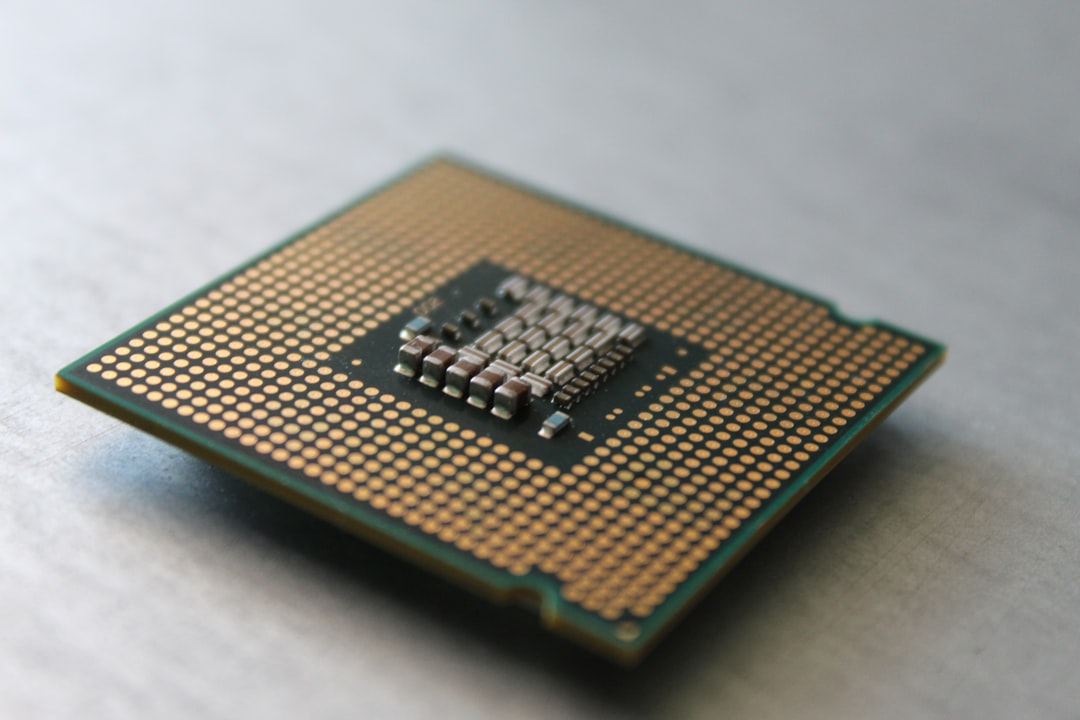
Qualcomm has informed Android smartphone makers that Snapdragon chip prices will increase by double-digit percentages starting September 1, 2026. According to Bloomberg, the company stated it has exhausted its ability to absorb higher costs from suppliers, forcing a price adjustment. The news comes at a time when the smartphone industry is already grappling with shrinking margins and declining demand.
AI demand strains supply chain, driving up costs
The Snapdragon price hike is not an isolated event. The entire semiconductor sector is under pressure due to the artificial intelligence boom, which consumes resources for data centers and infrastructure. This has tightened component supply and raised production costs. Qualcomm attempted to source alternative components from new suppliers but failed. As seen in the past, higher chip prices will likely translate into increased retail prices for Android devices, already affected by inflation and US-China trade tensions. The clash between Apple and Micron over Chinese memory chips exemplifies how geopolitics is influencing the semiconductor market.
Sponsored Protocol
Steep increase worsens margin crisis for OEMs
The price rise, estimated between 10% and 20%, follows a trend. The Snapdragon 8 Elite generation already saw a 30% jump over its predecessor, and rumors suggest Qualcomm is working on a budget version of its flagship Snapdragon 8 Elite Gen 5 to ease the impact. Android manufacturers, already on tight budgets, now face a dilemma: absorb costs or raise consumer prices. This could accelerate market polarization, with premium devices becoming even pricier and budget models struggling to integrate powerful chips. The history of Snapdragon processors shows how Qualcomm has progressively increased prices, fueling competition from MediaTek and Samsung.
Sponsored Protocol
What it means for consumers and the Android ecosystem
Qualcomm's announcement comes amid global economic uncertainty. For end users, upcoming flagship phones may cost significantly more, while mid-range models might adopt less performant chips to keep prices in check. Additionally, this move could push some manufacturers to explore alternatives like Samsung's Exynos or Google's Tensor, reducing reliance on Qualcomm. The Android smartphone landscape faces a 2027 marked by price hikes and tough strategic choices.
Source: https://9to5google.com/2026/07/24/qualcomm-snapdragon-price-hike-september-2026