Samsung has finally unveiled the technical details of Eclipsa Audio, the spatial audio technology developed jointly with Google and designed to challenge Dolby Atmos directly. After its debut in 2025 on Samsung soundbars and TVs, the Visual Display division has revealed how the system works, how it was tested at a real live concert, and what the next steps are for bringing immersive audio to sports, movies, and TV shows.
What Eclipsa Audio is and which standard it is based on
Eclipsa Audio was built on the Immersive Audio Model and Formats (IAMF) specification, maintained by the Alliance for Open Media (AOMedia), the same organization behind the AV1 video codec. The two companies jointly developed the core system, the spatial metadata framework, the encoding, and the playback pipeline. The technology natively supports channel-based audio setups such as 5.1.2 and 7.1.4, but also incorporates spatial metadata that allows 3D positioning across front, back, left, right, and height dimensions. This way, the sound automatically adapts to the capabilities of the playback device, whether it is a soundbar, a home theater system, a TV, or a combination of these. If the content is played on unsupported devices, the system gracefully falls back to stereo instead of triggering a playback error.
Sponsored Protocol
A large-scale test in a 280-seat venue
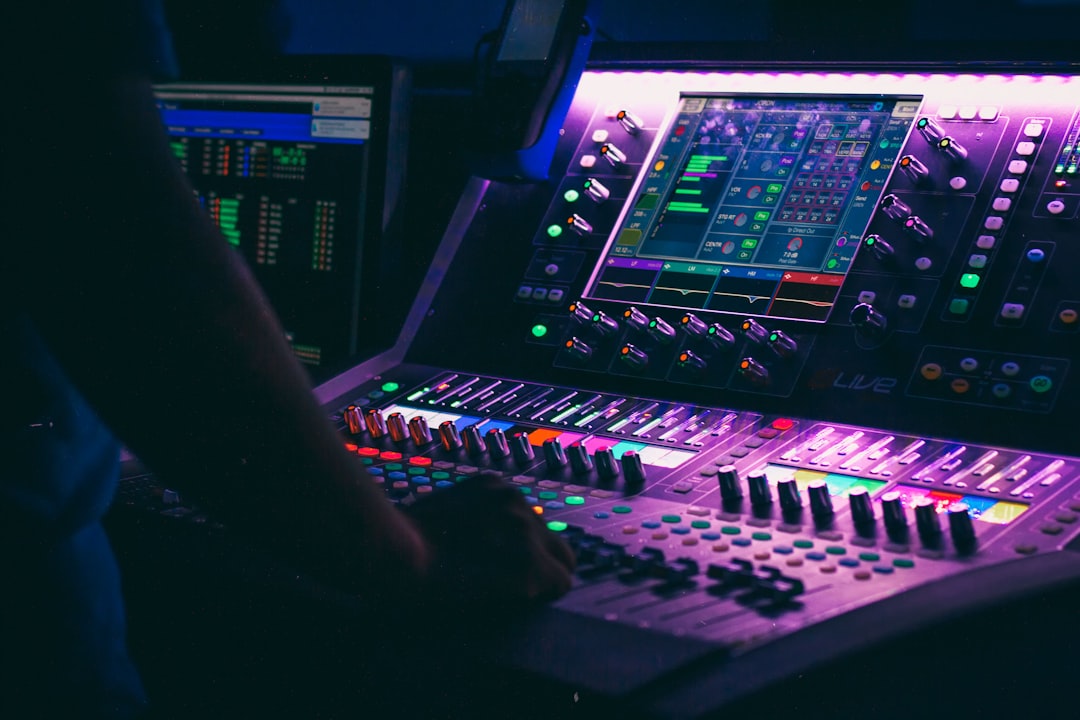
Before bringing Eclipsa Audio to Samsung TV Plus, Samsung's Visual Display division conducted extensive tests in a 280-seat concert venue, with the assistance of a professional sound engineering firm. The goal was to verify how to capture real-time spatial audio, encode it, stream it live via Samsung TV Plus, and reproduce the audio experience faithfully on supported devices. The tests also ensured that switching between the spatial audio of a musical concert and the stereo audio of TV advertisements would not cause audio stuttering or audio-video sync issues. This detail is crucial for user experience because during live broadcasts, commercial breaks are inevitable, and a format change must not compromise perceived quality. The results have prompted Samsung to plan the expansion of the technology to live sports events, movies, and TV series, after initial experiments with classical and K-pop concerts.
Sponsored Protocol
The future of Eclipsa Audio and granular listening control
In the medium term, Samsung aims to use spatial audio metadata to give users granular control over their listening environment. The idea is to allow listeners to isolate or emphasize specific audio elements, such as boosting vocals, suppressing crowd noise, or highlighting live sports commentary. This feature could revolutionize how concerts, matches, and films are experienced, making audio customizable to individual preferences. The open and royalty-free nature of Eclipsa Audio, which does not depend on proprietary codecs or licensing models, should foster wide adoption across various hardware platforms, including smartphones, tablets, and TVs. The technology has already been integrated into Samsung products from 2025, but the expansion to new content and markets is only beginning.
Sponsored Protocol
Samsung has shown that Eclipsa Audio is not just a theoretical alternative to Dolby Atmos, but a concrete and tested solution. The tests in a live environment validated the entire pipeline, from capture to playback, and now the company aims to bring spatial audio to a wider audience. For those following audio news, this development is significant because it could reduce licensing costs and increase compatibility across devices. The challenge with Dolby Atmos, however, has just begun: the British giant has a long history and a consolidated ecosystem, but Eclipsa Audio has the advantage of being backed by two giants like Google and Samsung.
Source: https://www.sammobile.com/news/samsung-eclipsa-audio-dolby-atmos-rival-details-revealed