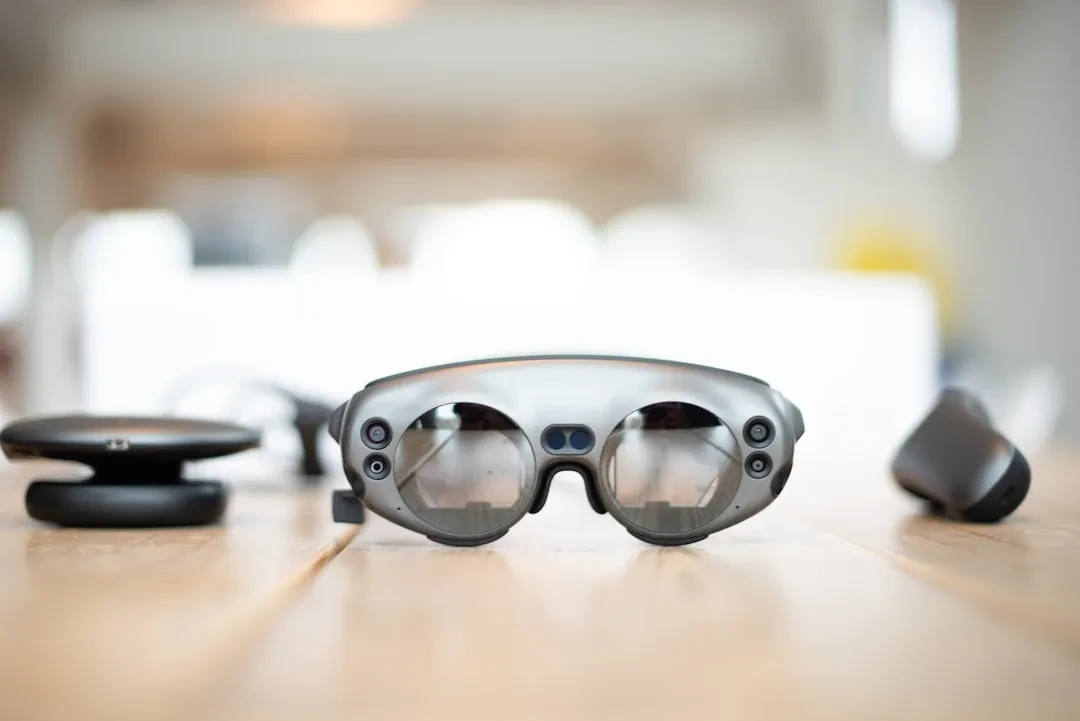
Samsung's entry into the smartglasses market is one of the most anticipated moves in the tech industry. The company has partnered with Qualcomm, Google, Gentle Monster, and Warby Parker to develop intelligent eyewear. In particular, the Galaxy Glasses promise advanced augmented reality and AI assistance. However, as Samsung prepares to launch these products, a thorny issue emerges privacy. Integrated cameras and microphones allow for discreet photo and video capture, raising concerns among users and lawmakers alike. Samsung's response includes a front-facing LED that lights up during recording, but this solution may not be enough to allay fears.
The recording LED and the recognition problem
The front-facing LED on Samsung's smartglasses is designed to clearly signal when the camera is active. This approach is similar to that adopted by other manufacturers. However, the LED is not always easily visible, especially if the wearer is at a distance. Moreover, tech-savvy users might find ways to obscure the LED without disabling recording. This scenario has already been observed on other devices, such as action cameras or phones, where small stickers or software tweaks have compromised the effectiveness of indicators. Samsung has also implemented wear detection to disable recording when the glasses are removed, but this measure does not address the core issue consent.
Sponsored Protocol
California responds with SB 1130
California has decided to intervene with targeted legislation. Senate Bill SB 1130, currently under review, would prohibit the use of wearable devices to record audio or video in places where people have a reasonable expectation of privacy, such as restaurants, offices, or stores. Additionally, the bill would make it illegal to manufacture or sell accessories that disable the LED indicator, with fines up to $2,500 for violators. If passed, this measure could become a model for other states, given California's historical influence on tech policy. For Samsung, this represents a huge challenge, considering the product has not yet been commercialized. Regulation is tightening at a critical moment.
Sponsored Protocol
Implications for Galaxy Glasses users
Users who purchase the Galaxy Glasses may find themselves in awkward situations. Imagine asking the AI assistant to help you choose a dish at a diner. The camera scans the menu, the LED is on, but customers at the next table might think they are being secretly filmed. This could spark arguments and conflicts. Samsung is trying to promote the benefits of augmented reality, but social acceptance is a difficult hurdle. The fear of being recorded without consent is deeply rooted and will not be easily dispelled by just an LED.
The need for industry standards and Samsung's response
Some experts argue that stopping innovation is not the solution. Technology must find ways to respect privacy. However, the industry has not yet developed shared standards for recording indicators or consent. This lack of coordination has prompted governments to intervene. Samsung, unlike Meta, does not have a history of documented misuse with smartglasses. Its initial privacy messaging has been correct, but it is not enough. Public and legislative pressure is already high, and California has not waited to see how the Galaxy Glasses will perform in real life. The direction is clear regulation on camera-equipped wearables is tightening, and Samsung will need to adapt if it wants its products to succeed.
Sponsored Protocol
For more on comfort in wearable tech, you can read the test of the Saatva Classic mattress. Those interested in health tracking can check the news on the Apple Watch Series 12. Finally, for a comparison with other wearable devices, see the analysis of Android foldables alternatives to the Pixel 11 Pro Fold.