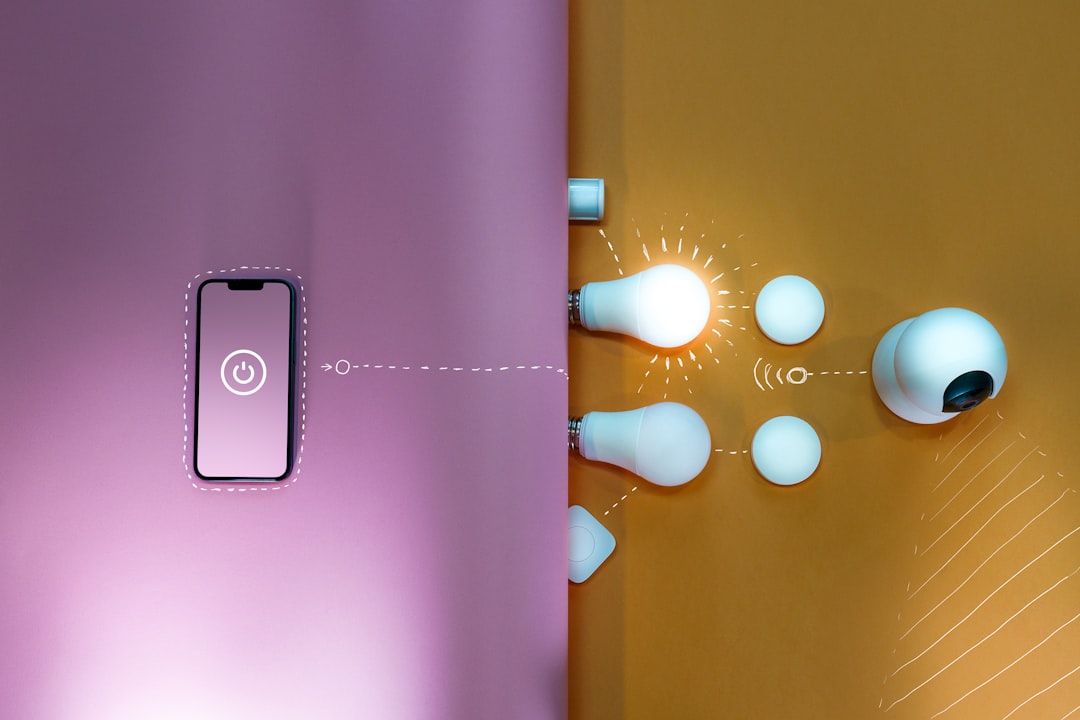
Smart bulbs have become a staple in modern homes, offering convenience through voice control and smartphone apps. However, a common concern is whether their constant connectivity leads to higher electricity bills. The answer is yes, smart bulbs do use slightly more energy than standard LED bulbs, but the difference is minimal and can be offset by their features.
When illuminated, smart bulbs and standard LEDs consume the same amount of power. The extra draw comes from standby mode: traditional LEDs draw no power when switched off, while smart bulbs need a trickle of electricity to maintain Wi-Fi or hub connectivity. A 2019 study in ScienceDirect tested 30 smart LED bulbs and found that 21 had standby power consumption below 0.5 watts, meeting Energy Star requirements. For example, the TP-Link Tapo advertises 0.2 watts in standby, while Philips Hue states its modern products consume less than 0.5 watts.
Sponsored Protocol
Annual standby cost ranges from $0.35 to $1.30 per bulb
This standby consumption translates into an annual electricity cost increase of $0.35 to $1.30 per bulb, depending on local utility rates. For most users, this amount is negligible. The U.S. Department of Energy estimates that standby power accounts for 5 to 10% of household electricity use, but the primary culprits are microwaves, TVs, and routers, not smart bulbs.
Features like dimming and scheduling can reverse the energy balance
Smart bulbs offer scheduling, remote control, and dimming, which reduce the actual time the lights are on. By turning off lights automatically or dimming them, users can save more energy than the small standby cost. For instance, a lamp left on accidentally can be switched off remotely, avoiding hours of unnecessary illumination. Thus, despite a slightly higher baseline consumption, smart bulbs can lead to net energy savings.
Sponsored Protocol
The initial purchase price is higher: smart bulbs start at around $6 (IKEA) and go up to $90 for premium models, averaging $8 to $15 per bulb. Standard LEDs cost $1.50 to $4. Lifespan also differs: standard LEDs last 20 to 40 years, while smart bulbs last 15 to 25 years due to additional electronics. However, efficient usage patterns can extend effective life.
From a security perspective, any connected device introduces risks. As noted in a recent article on Google Warns Search Data Could Be Hacked Due to New EU Rules, IoT devices can be entry points for cyberattacks. Additionally, OpenAI tightens API access in Europe — Italian SMEs face real risk highlights how regulatory changes may affect smart home ecosystems. For further reading, the Wikipedia page on LED lamps provides detailed technical comparisons.
Sponsored Protocol
In conclusion, smart bulbs consume marginally more standby power than standard LEDs, but the convenience and energy-saving features they offer can offset the difference. The decision to adopt them should be based on personal preferences and usage patterns, with the energy impact being minimal.
Source: https://www.engadget.com/2202949/are-smart-bulbs-more-expensive-to-run-than-standard-leds