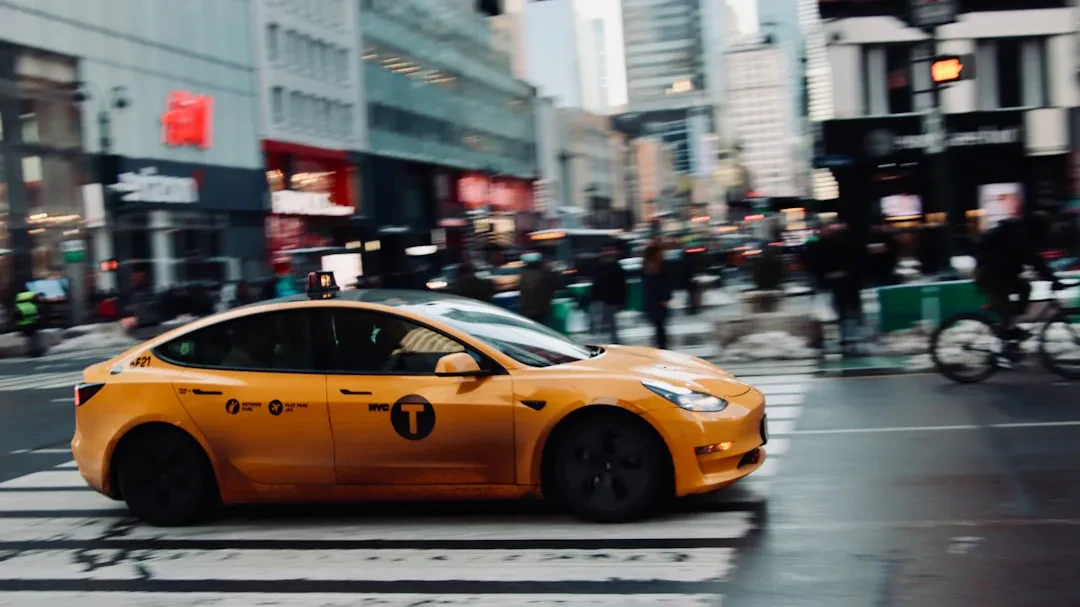
The dream of a fully autonomous taxi fleet, without steering wheel or pedals, collides with the harsh reality of the road. New crash data recorded after July 2025 casts a stark light on the slower than expected progress of Tesla's robotaxi program. Two accidents involved vehicles operated by remote operators, a detail that raises deep questions about the system's reliability and safety before any large scale commercial launch.
The Crucial Role of Remote Operators
The most revealing aspect of the new data is the constant presence of a human operator at a distance. Contrary to the narrative of full autonomous driving, Tesla's robotaxis still seem to rely on external support to handle complex or emergency situations. These operators, sitting somewhere else, monitor and intervene when the vehicle encounters scenarios the software cannot solve. The two reported crashes demonstrate that remote intervention is not always sufficient to prevent collisions, or perhaps it arrives too late. This questions the very definition of Level 4 or Level 5 autonomy, which should require no human intervention.
Sponsored Protocol
Limited but Meaningful Data
The published information, though partial, comes from mandatory regulatory reports in California. Since July 2025, two robotaxis have been involved in accidents while under remote operator control. Though Tesla has always claimed its vehicles are safer than human driven ones, these incidents suggest the technology is not yet ready for mass deployment without supervision. The slow progress sharply contrasts with CEO Elon Musk's promises, who for years has predicted millions of robotaxis by 2020, then by 2022, and now in the near future.
Implications for Road Safety and Regulations
Every autonomous vehicle accident fuels the regulatory debate. Authorities from the National Highway Traffic Safety Administration (NHTSA) to European counterparts are closely watching these data to decide whether and how to authorize driverless commercial operations. Public trust is fragile and every crash, even minor, can erode the safety perception necessary for mass adoption. Moreover, liability remains blurry in remote driving scenarios, dividing responsibility among manufacturer, operator, and software developer.
Sponsored Protocol
The current situation closely mirrors the complexity of safety in artificial intelligence applied to mobility, a topic already addressed recently. For instance, the article AI's Three-Front War explores precisely the challenges of robotaxi safety within a broader AI ecosystem, and the implications for the energy grid and personal finance are part of the bigger picture.
Future Between Promises and Reality
The crash data does not spell the end of the robotaxi dream but certainly tempers its ambitions. Tesla is investing massively in data centers and computing power to train its neural networks, but the road to full autonomy requires solutions beyond simple software improvements. The need for remote operators suggests the machine still cannot handle every variable, from a sudden pedestrian crossing to adverse weather conditions. The path toward an economically sustainable and safe robotaxi service remains long, and each accident serves as a litmus test for the entire industry.
Sponsored Protocol
To delve into broader dynamics of wearable tech and defense implications in 2026, one can refer to the analysis on GoPro Turns Its Back on Consumers, which shows how other tech companies are also reorienting strategies toward high stakes sectors. Similarly, the theme of fundraising and investor confidence, examined in RJ Scaringe Has Raised Over $12 Billion, demonstrates that the market rewards long term vision but demands concrete results.
In conclusion, the new data from California not only highlights Tesla's slow march toward autonomy but also underscores the importance of a gradual and transparent approach. The robotaxi industry cannot afford fatal mistakes due to their media reach and regulatory consequences. The coming months will be decisive in seeing whether Tesla can bridge the gap between promises and operational reality.