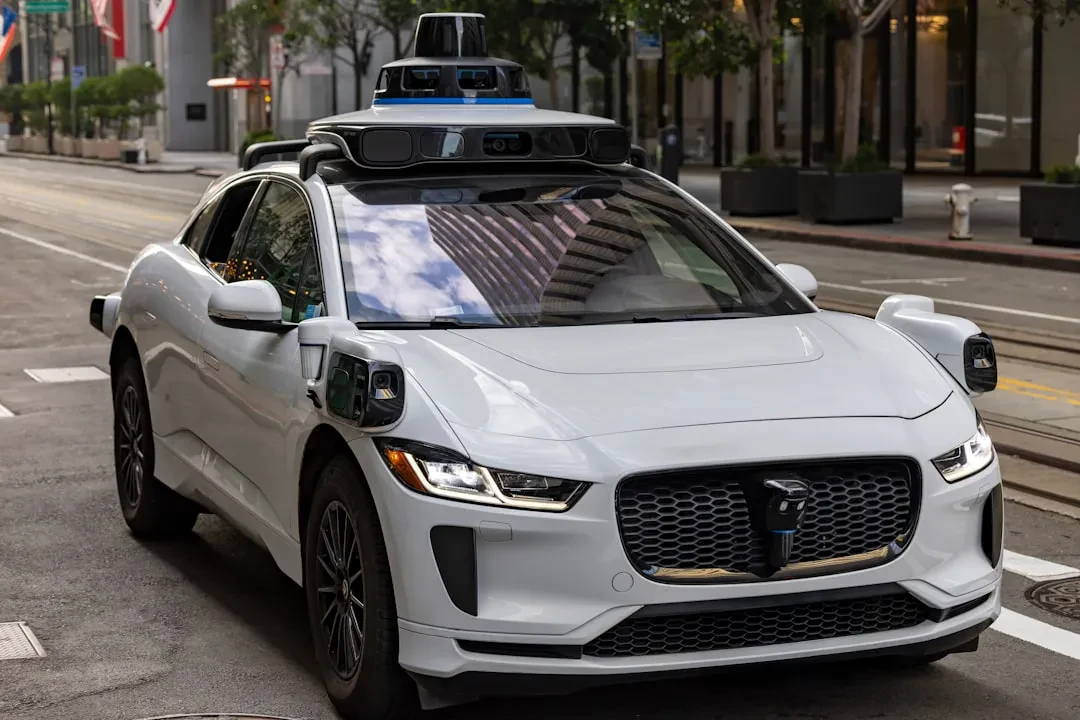
The future of urban mobility is increasingly taking shape as Tesla expands its revolutionary robotaxi service. Following its initial launch in Austin, the company has recently extended the availability of its innovative autonomous transportation service to Dallas and Houston, both major Texas metropolises. This strategic move marks a further step towards the democratization of autonomous driving, making it accessible to a wider audience.
A Targeted Expansion in the Heart of Texas
The introduction of Tesla robotaxis in new Texas cities follows a well-defined growth plan. After initiating early trials and enabling rides without safety drivers at the beginning of this year, the presence of these autonomous vehicles on the streets of Dallas and Houston has become a tangible reality. This development not only strengthens Tesla's leadership in the electric vehicle sector but also places significant emphasis on the advancements in autonomous driving technology. The goal is clear to offer an efficient, safe, and potentially more economical transportation alternative compared to traditional services.
Sponsored Protocol
Cutting-Edge Technology and Future Challenges
The success of this expansion relies on the reliability and effectiveness of Tesla's autonomous driving system, known as Autopilot and Full Self-Driving. These systems are constantly improved through over-the-air software updates, allowing vehicles to continuously learn and adapt to various road conditions. Although the service is gaining traction, regulatory and public perception challenges remain crucial factors. The safety of passengers and other road users is, in fact, the absolute priority. To delve deeper into innovations in the transportation and technology sectors, it is interesting to note how other areas are also undergoing radical transformations, consider the expansion of satellite features on devices like iPhone and Apple Watch through strategic deals.
Sponsored Protocol
Impact on Urban Mobility
The arrival of Tesla robotaxis in Dallas and Houston promises to revolutionize the urban mobility landscape. They could indeed help reduce traffic congestion, lower polluting emissions thanks to the electric nature of the fleet, and offer new job opportunities for service management and maintenance. Furthermore, the availability of an on-demand, driverless transportation option could change the habits of commuters and residents, making trips that were previously complicated or expensive more accessible. The continuous innovation in this field is an indicator of a future where technology will play an increasingly central role in our daily lives, much like in the electric vehicle industry in general, which sees constant evolution.
Source: https://techcrunch.com/2026/04/18/tesla-brings-its-robotaxi-service-to-dallas-and-houston