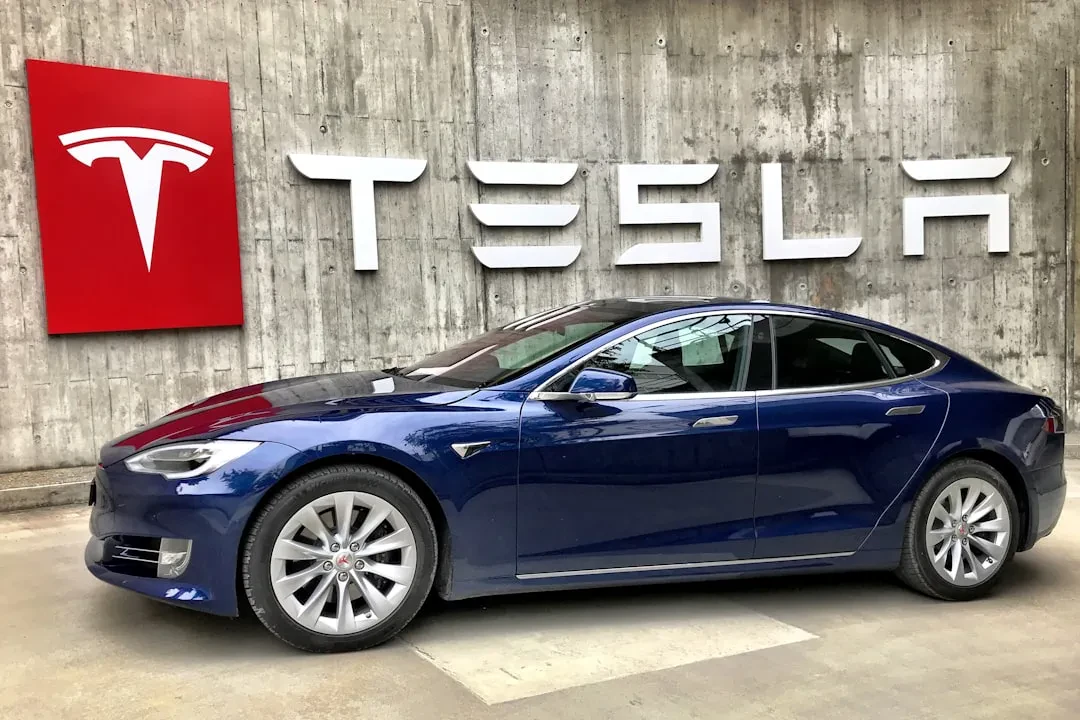
New tensions are emerging in the automotive and tech sectors with a recent admission from Elon Musk regarding the full self-driving capability of Tesla vehicles. Musk stated that millions of Tesla owners require significant upgrades to achieve true Full Self-Driving (FSD) functionality, casting doubt on years of promises and assurances made to consumers. This statement could open Tesla up to potential legal challenges, given that the automaker has repeatedly claimed its customers were just one software update away from owning fully autonomous cars.
The Discrepancy Between Promises and Reality
For years, Tesla has promoted its FSD software as a cutting-edge technology, suggesting that full autonomy was imminent for its vehicle owners. This narrative undoubtedly influenced the purchasing decisions of many customers who were willing to pay a premium for this advanced feature. However, Musk's admission, as reported by reliable sources like TechCrunch, paints a different picture, suggesting that the FSD technology as currently implemented does not fully meet the standards of complete autonomy and will require further development and future hardware or software rollouts. This situation highlights the ongoing challenges in achieving reliable autonomous driving, a field where advancements are closely watched, much like recent critical updates in mobile operating systems such as Apple's iOS 26.4.2 update, which addressed significant security vulnerabilities.
Sponsored Protocol
Legal and Reputational Implications
Musk's statement raises crucial questions about Tesla's transparency and communication with its customers. If the vehicles are not truly ready for full self-driving despite previous claims, owners might feel misled. This could translate into class-action lawsuits seeking refunds or compensation for the perceived unrealized value of the FSD software. Tesla's reputation as a leader in autonomous driving innovation could be compromised, impacting consumer and investor confidence in the company's technological future. The pursuit of advanced automotive features is a constant race, and innovations extend beyond driving, as seen with devices like the revolutionary AirPods Pro, which are transforming the audio experience with infrared cameras and gesture controls. Nevertheless, Tesla's commitment to autonomy remains a cornerstone of its business strategy, and it will be interesting to observe how the company navigates this critical phase and what concrete steps it will take next to make full self-driving a tangible reality for all its customers.
Sponsored Protocol
The Road to Full Autonomy
The very definition of 'full self-driving' is often a subject of debate. Regulatory bodies and industry standards are still working to define the precise parameters for true autonomy. Musk's admission might reflect the need to adhere to more stringent definitions or to overcome unforeseen technical hurdles. The automotive industry is undergoing rapid transformation, with significant advancements also occurring in areas like personal audio. The commitment from companies like Tesla and other tech giants to invest heavily in artificial intelligence and connected vehicles signifies a broader trend towards smarter transportation solutions. It will be crucial to see how these developments unfold and impact the future of personal mobility and technological integration.
Sponsored Protocol