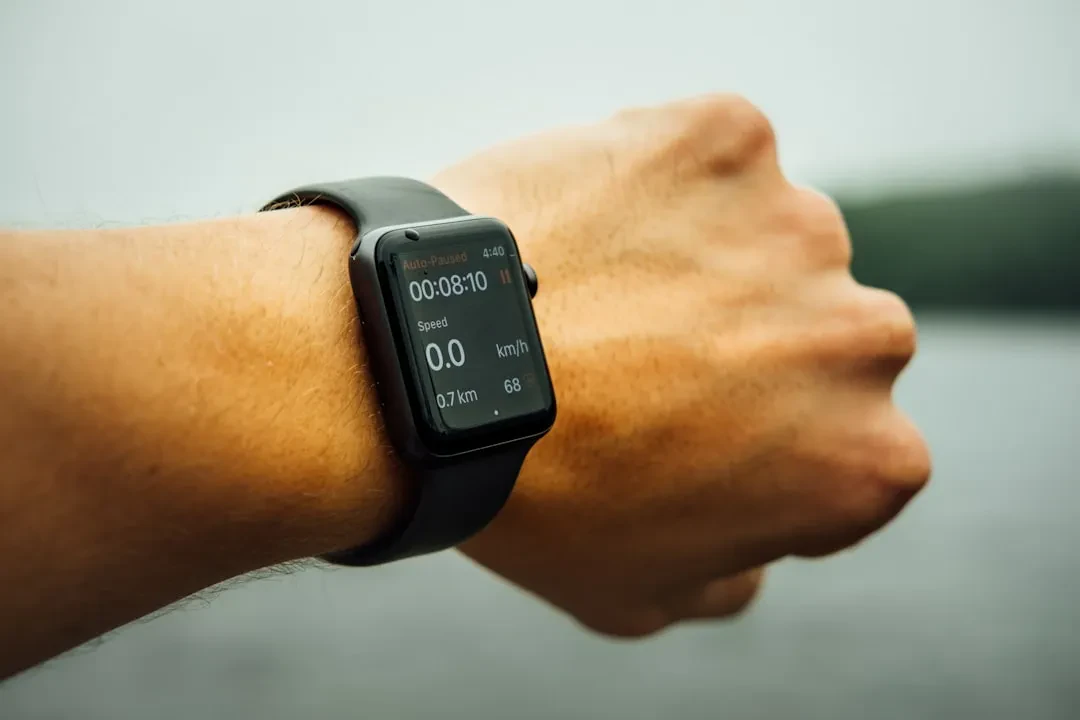
In 2026, the fitness tracker market offers solutions for every need, from minimalist screenless devices to full-featured smartwatches with advanced health monitoring. We have tested dozens of devices during running, climbing, and indoor workout sessions to provide an up-to-date guide. The ideal choice depends on your lifestyle, budget, and desired level of health tracking detail.
Garmin Vivoactive 6: Best for accuracy without a subscription
The Garmin Vivoactive 6 ($300) remains the best compromise between smartwatch features and fitness tracking. Compatible with iOS and Android, it offers up to 11 days of battery life (5 days with always-on display) and 5 ATM water resistance. Its strengths include the Morning Report and Body Battery, which provide daily insights into sleep, recovery, and readiness. The free Garmin Connect platform allows activity tracking without additional costs. For those wanting extra features like live tracking, Garmin launched Connect+ at $70 per year, but most users do not need it. The Vivoactive 6 is ideal for athletes who want accurate data without subscription dependence.
Sponsored Protocol
Google Fitbit Air: Lightweight and screenless for essential tracking
The Google Fitbit Air ($100) is a screenless fitness tracker that offers a Whoop-like experience at a lower cost. Weighing only 12 grams, it is comfortable to wear 24/7. It tracks activity, sleep, and skin temperature variations. Compatibility with Android and iPhone makes it accessible to everyone. Google Health Coach, based on artificial intelligence, provides optional personalized recommendations. The main limitation is the lack of built-in GPS: for outdoor tracking, you need your smartphone. For more on app development without code, check our guide to no-code and low-code in 2026.
Sponsored Protocol
Oura Ring 5: The best smart ring for daily wellness
The Oura Ring 5 ($399) is ideal for those who do not want to wear a watch. With a design 40% smaller than its predecessor, it offers up to 9 days of battery life and IP68 resistance. Redesigned sensors improve accuracy. The Oura Advisor, powered by AI, answers wellness questions and provides personalized advice. New features include blood pressure signals and nightly breathing monitoring. It requires a monthly subscription ($6) to unlock most analyses. For athletes needing real-time stats, a smartwatch remains more suitable.
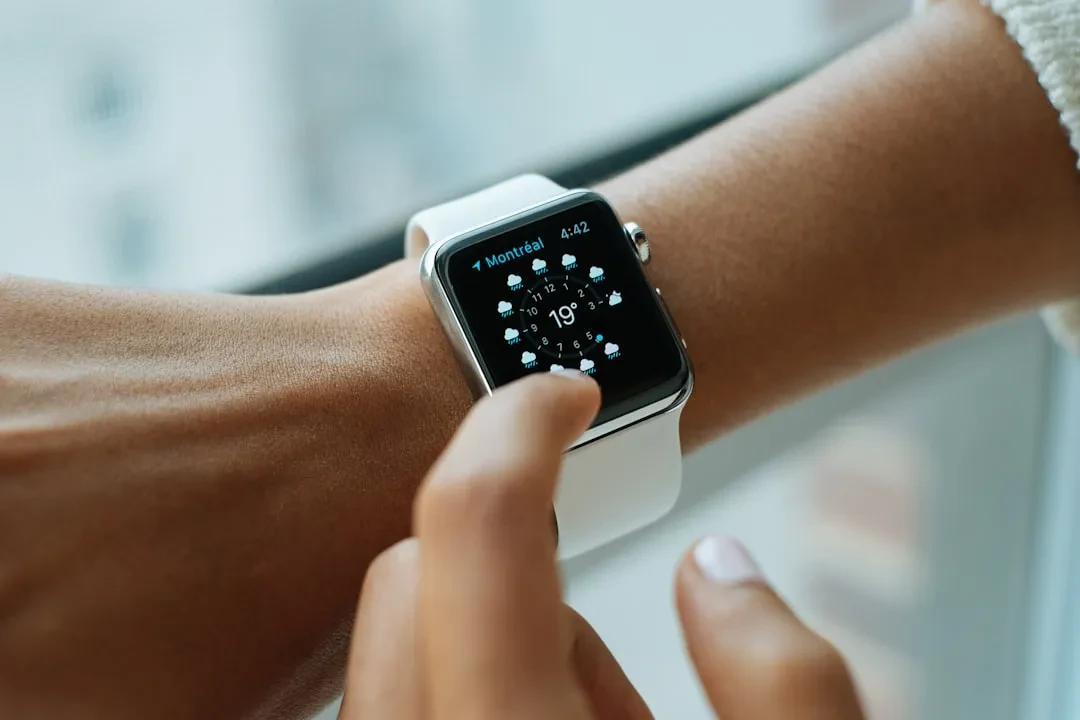
Apple Watch Series 11: A generational leap for iPhone users
The Apple Watch Series 11 is an exception to the rule of not upgrading every year. The battery finally lasts 24 hours, making sleep tracking realistic. Key new features are FDA-cleared hypertension notifications and the return of blood oxygen sensing. watchOS 27 introduces the new AI-powered Siri assistant. For outdoor enthusiasts, the Apple Watch Ultra 3 offers up to 42 hours of battery and satellite connectivity. Also discover how Instagram now lets you add unique captions to each carousel slide.
Sponsored Protocol
Google Pixel Watch 4: Perfect integration between Google and Fitbit
The Google Pixel Watch 4 combines Google's smartwatch experience with Fitbit's fitness features. It is fully repairable with spare parts sold on iFixit. It offers sleep tracking, heart rate monitoring, and notifications. Compatibility is limited to iOS, but it remains a solid choice for Android users.
For a comprehensive overview of wearable technology, see the Wikipedia page on fitness trackers. Remember that the final choice should be based on your habits and health priorities.