In an era where digital innovation constantly reshapes our reality, a powerful current emerges, celebrating the past not merely by preserving it, but by audaciously reinventing it. We are witnessing a true golden age for retro console modding, a phenomenon that transcends simple nostalgia to embrace engineering ingenuity. Among the architects of this quiet revolution, the work of a visionary, known to the community as Secret Hobbyist, stands out. His latest project is a striking testament to how a passion for historical gaming can merge with the most advanced technological solutions. His creation, a "Frankenstein" PlayStation PCB, is not just a technical marvel; it is a manifesto on the durability and evolution of gaming, capable of reading glorious past titles directly from a microSD card and projecting them onto our modern screens with astonishing clarity thanks to HDMI output.
The retro modding scene is, without a doubt, buzzing with activity. If you own an old Game Boy Advance, you are well aware that it is possible to breathe new life into it with high-quality aftermarket parts, such as vibrant IPS displays and the now-essential USB-C charging. These modifications, while incredible in their ability to enhance the user experience, almost always rely on an existing and functional base the console's original motherboard, complete with an operational processor and RAM. Here lies the distinctive element that elevates Secret Hobbyist's "PlayStation Hybrid" far above the average. This project does not merely enhance existing hardware; it completely reimagines it, creating an ultimate PlayStation PCB that incorporates the best parts from different revisions of the original PlayStation model, enriching it with modern conveniences that seemed unthinkable until recently. It is a true re-foundation, a work of digital archaeology that is not content with restoration alone, but deeply innovates.
Sponsored Protocol
Secret Hobbyist's component selection process reveals a profound understanding of PlayStation architecture and its evolution. The specific motherboards from which his hybrid PCB draws inspiration are the PM-41 v2, originally from a PSOne, and the PU18, salvaged from a "phat" model of the console. This fusion is not the result of a random choice but a meticulous analysis of the console's history. Between the PlayStation's launch in 1994 and the introduction of the more compact PSOne in 2000, Sony made numerous revisions to the original design, aiming to address emerging hardware issues and, not least, to reduce production costs. Each iteration brought with it small, yet significant, changes that Secret Hobbyist skillfully identified and capitalized upon, choosing the "best pieces" from each era to create a superior entity. It is a work of reverse engineering and simultaneous progress, a dance between respecting the past and projecting into the future.
Sponsored Protocol
One component that has garnered an almost cult following among audiophiles, found only on older PlayStation models but not on the PSOne, is the Asahi Kasei-made digital-to-analog audio converter (DAC). This DAC, renowned for its exceptional audio fidelity, made some of the console's earliest versions, such as the SCPH-1000 and SCPH-3000, particularly sought after as standalone CD players. Their desirability was further accentuated by the presence of RCA outputs, a feature Sony unfortunately eliminated in subsequent revisions. Secret Hobbyist's decision to incorporate this specific DAC from the PU18 is not merely a homage to the superior sound quality of the past, but also a clear signal of his intention to create a device that goes beyond mere gaming functionality, offering a complete multimedia experience, elevating nostalgic value with performance that even surpasses the system's original expectations.
Sponsored Protocol
But innovation does not stop at audiophilia. From the PSOne, Secret Hobbyist intelligently sourced the console's GPU and CPU, components known for their greater power efficiency compared to those found in its bulkier predecessors. This choice significantly contributes to reducing the overall power consumption of the new board. The element that definitively propels this project into the twenty-first century is the integration of an FPGA chip from a Hispeedido mod kit. This crucial chip grants the hybrid PlayStation the ability to output video through an HDMI port, solving one of the biggest hurdles for retro gamers who wish to connect their beloved consoles to modern televisions lacking analog inputs. The union of these disparate, yet complementary, parts creates a generational bridge, allowing games to appear vibrant and uncompromised on high-definition screens, while preserving their authentic pixelated aesthetic.
Sponsored Protocol
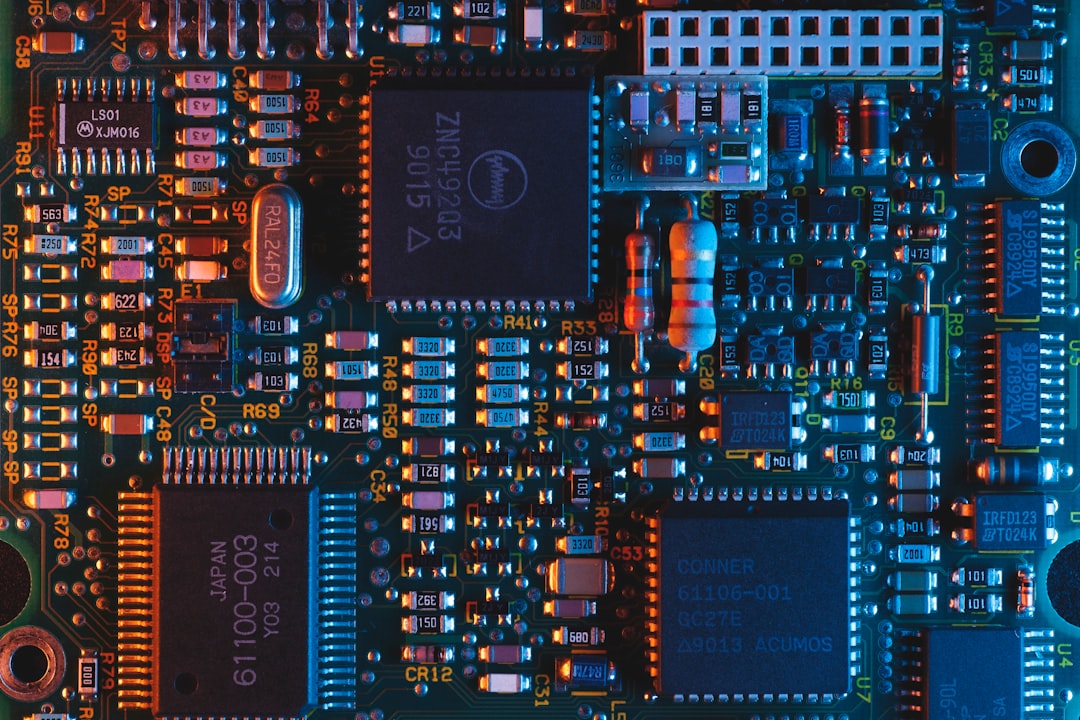
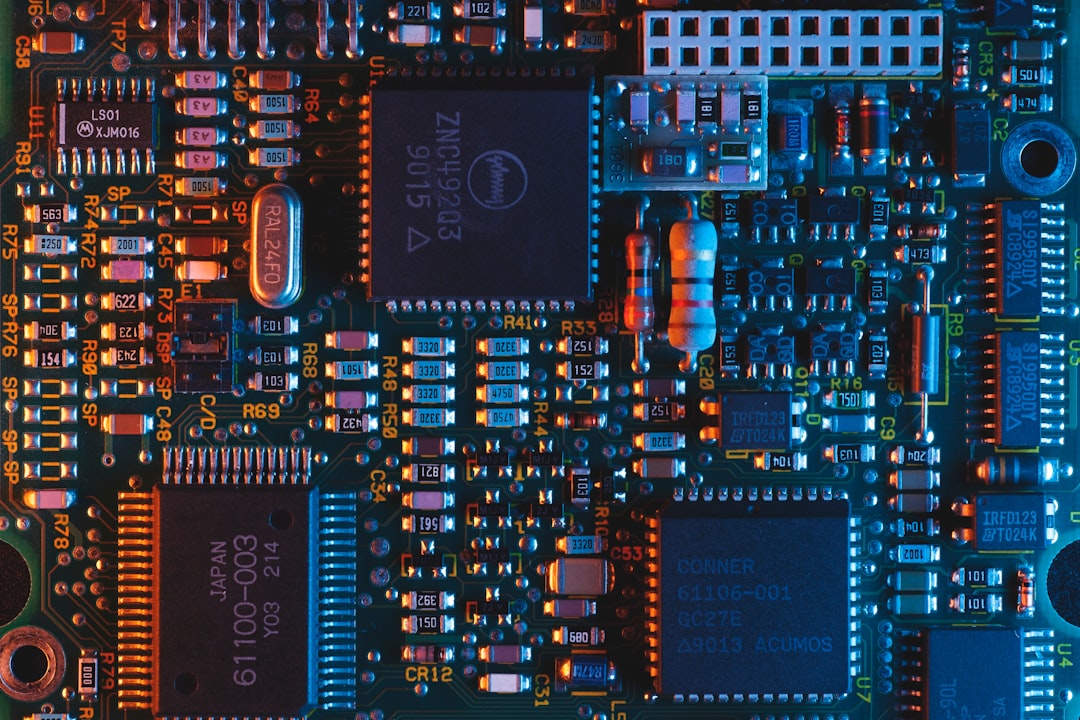
The final result of this meticulous engineering is a custom PCB that is not only remarkably smaller than the PSOne's PM-41 v2 but also draws less than two watts of power. This energy efficiency opens up exciting possibilities, strongly suggesting the tangible potential for developing a handheld version of the hybrid PlayStation, a dream for many enthusiasts. Although Secret Hobbyist has yet to design a definitive enclosure for his "Frankenstein" console, the online community's enthusiasm, evident in the comments on his demonstration video, is palpable and infectious. Anticipation is high to see how this modding masterpiece will take its final shape, but even now, the project represents a benchmark, a powerful demonstration of how creativity and ingenuity can not only preserve gaming heritage but also elevate it to new heights of usability and performance.
Sponsored Protocol
Ultimately, Secret Hobbyist's work is not a mere technical exercise; it is a declaration of love for gaming, a pioneering vision that demonstrates how innovation can be the key to authentic and evolved preservation. This "Frankenstein" PlayStation transcends the sum of its parts, becoming a symbol of retro gaming's resilience and its ability to adapt, thrive, and surprise in a digitally dominated era. It is an invitation to look to the future through the lens of the past, an inspiration for all who believe that great stories always deserve a new stage, regardless of the age of their origins. The journey of this hybrid console has just begun, but its impact on the retro modding landscape is already invaluable, promising to redefine what is possible for the digital treasures of past generations.