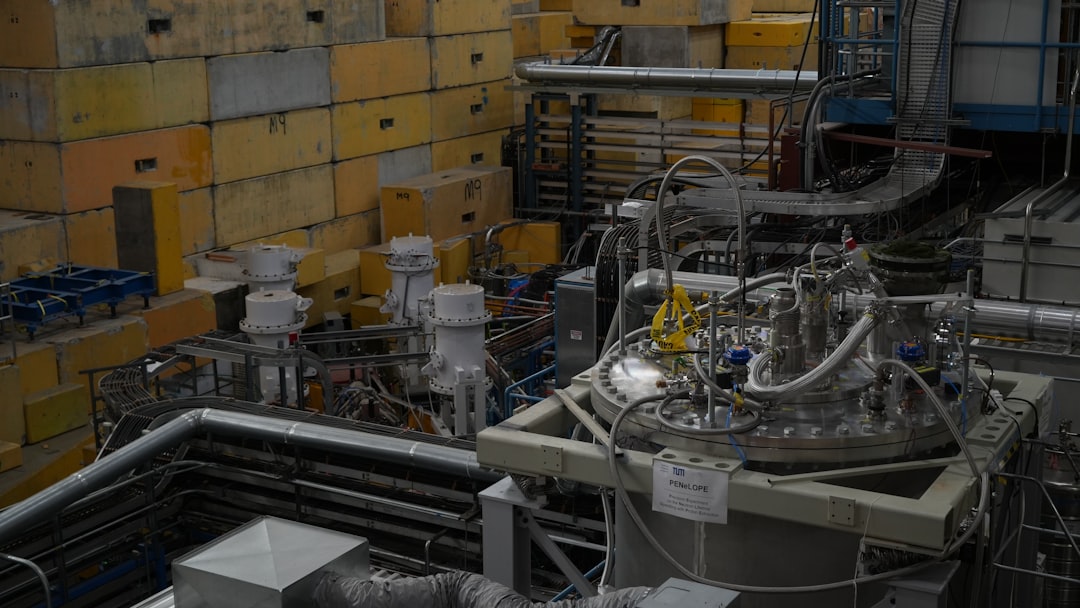
Three nuclear startups have achieved criticality by the July 4, 2026 deadline set by former President Donald Trump's executive order. Valar Atomics, Antares Nuclear, and Deployable Energy succeeded at national labs, marking a milestone for small modular reactor development. However, experts caution that these are prototypes, not commercial products ready for the market.
The pilot program accelerated timelines through deregulation
The May 2025 executive order required at least three reactors to reach criticality by the U.S. 250th anniversary. The Department of Energy slashed environmental and safety reviews, cutting bureaucratic delays. Adam Stein of the Breakthrough Institute explains, "These prototypes mean everything and nothing. They are test reactors, not commercial". The reduction in red tape allowed processes that once took years to be completed in months.
Sponsored Protocol
Criticality does not mean electricity generation at scale
Achieving criticality, sustaining a chain reaction, does not guarantee power generation. For instance, Aalo Atomics' reactor lacks the sodium component of its final design. Only Valar Atomics briefly powered an Nvidia chip during a demonstration. As Brett Rampal of Veriten notes, "Historically, nuclear plants have been over budget and behind schedule". Fuel supply chain challenges and commercial licensing with the Nuclear Regulatory Commission remain major hurdles.
Sponsored Protocol
Despite Silicon Valley's enthusiasm for carbon-free energy to power data centers, commercial viability is distant. While Google recently banned Chrome extensions that bypass AI chatbot safeguards, nuclear regulation is far more intricate. The real breakthrough will come only when these reactors pass safety tests and become economically sustainable, a goal that may still be a decade away. According to Wikipedia, advanced reactors face significant technical and financial challenges before large-scale deployment.
Source: https://www.wired.com/story/nuclear-startups-hit-milestone-why-it-matters