Generative AI has achieved astonishing feats, creating stunning images and videos from text prompts. However, many tools borrow the distinctive styles of iconic artists without permission, sparking fierce reactions. Filmmaker Tim Burton, famous for visually unique films like Edward Scissorhands and The Nightmare Before Christmas, has delivered a scathing critique of this practice, calling it a dehumanization of art.
Tim Burton's harsh words against algorithmic imitation
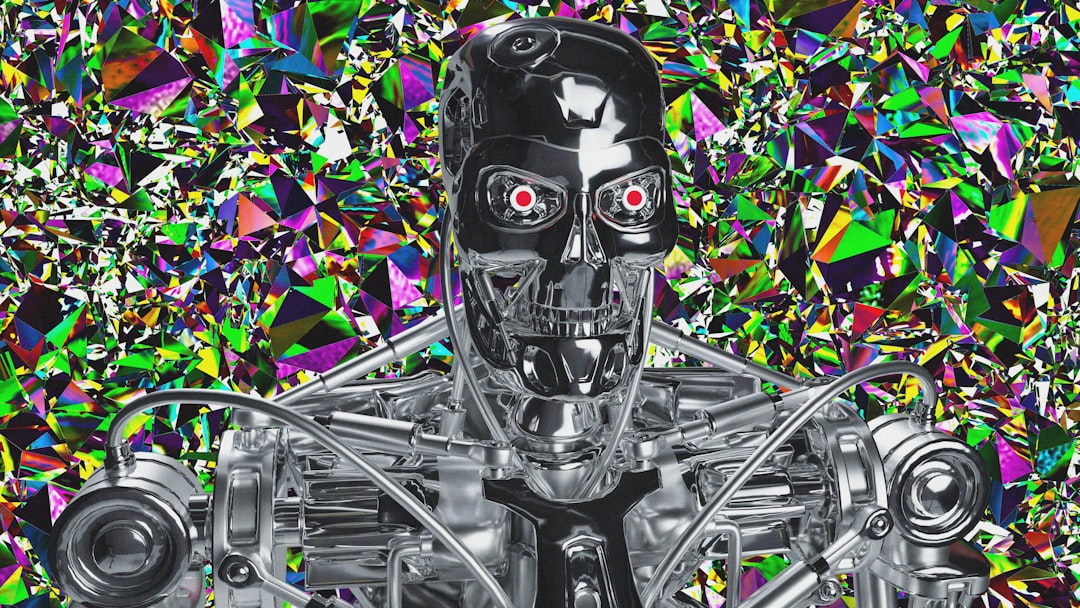
In an interview with The Independent, Burton responded to BuzzFeed's AI-generated images that reimagined Disney movies as if directed by various filmmakers. His comments were blunt: 'It's like a robot taking your humanity, your soul'. He compared the experience to cultures where taking a photograph steals a part of one's spirit. The statement fuels the ongoing debate on whether AI-generated content can ever be original or creative, or if it merely averages existing works. Burton emphasized that algorithmic imitation erases the human touch, reducing art to a mechanical product.
Sponsored Protocol
Parallel with Japan: Hayao Miyazaki also condemns AI
Burton's view echoes that of legendary Japanese animator Hayao Miyazaki, founder of Studio Ghibli. Years ago, upon seeing an AI-generated animation demo, Miyazaki said: 'You can make horrible things if you want, but I want nothing to do with it. It's an insult to life itself.' The alignment of two influential figures highlights a growing artist front against uncontrolled AI use in creative processes. Despite these protests, the industry continues to integrate AI, with studios like Lionsgate partnering with Runway AI and A24 collaborating with Google on AI filmmaking tools. The tension between innovation and artistic authenticity has never been more pronounced.
Sponsored Protocol
AI advances in creative industries despite backlash
The incursion of AI into creative fields is accelerating. Major studios are adopting AI for production, while critics like Joanna Stern expose AI-generated fake books on Apple Books, as covered in this article. This raises ethical questions about copyright and style protection, with many calling for stricter regulations. Tim Burton stands as an authoritative voice in this fight, reminding that art is inherently human and cannot be reduced to an algorithm. For more context, see the Wikipedia entry on Tim Burton.