The race for autonomous taxis is heating up. Uber has announced plans to launch a premium robotaxi service in Houston by mid-2027, solidifying its partnership with EV maker Lucid and autonomous driving startup Nuro. This will be the second U.S. market after San Francisco, where the three partners are already preparing a debut later this year. With this move, Uber directly challenges Waymo, Alphabet's autonomous vehicle company that already operates commercial services in both cities.
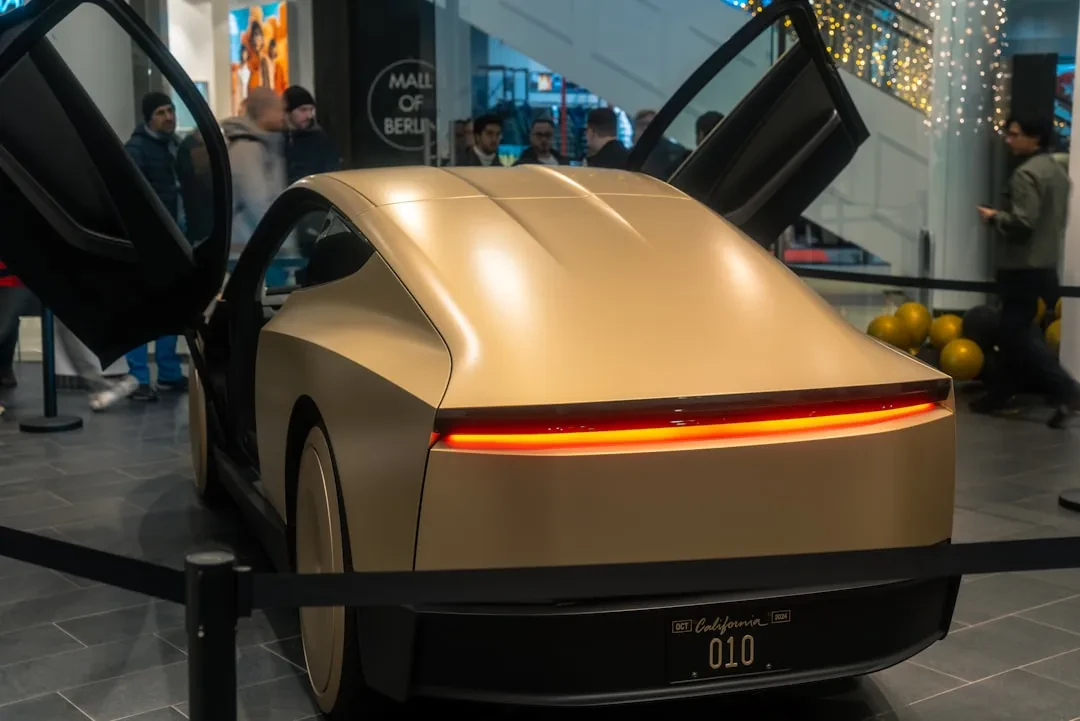
The centerpiece is the Lucid Gravity Robotaxi, an electric SUV equipped with high-resolution cameras, solid-state lidar sensors, and radars. These components enable Nuro's self-driving system to perceive the environment and operate safely. Unveiled in January, the vehicle features a cabin designed for passenger experience, setting a new standard for autonomous ride-hailing.
Sponsored Protocol
A Billion-Dollar Bet
Uber has heavily invested in this technology. Besides a direct $500 million investment in Nuro, the company has committed another $500 million to Lucid, with a minimum purchase of 35,000 robotaxi-ready vehicles. The combined engineering fleet already includes 100 autonomous vehicles testing on public roads in San Francisco and Houston, always with a safety driver behind the wheel. Nuro received a permit from the California DMV in May to remove the driver, but driverless tests have not yet begun.
Houston Preparations
To accommodate the service, Uber has expanded its physical footprint in Houston with a 50,000-square-foot depot and a dedicated charging station. This facility will serve as the operations hub for fleet management. The company plans to extend the program to dozens of cities in the coming years, though the immediate focus remains on San Francisco and Houston.
Sponsored Protocol
The partnership has boosted Nuro, which in 2024 pivoted from building delivery robots to licensing its self-driving technology to automakers. Lucid also benefits from the deal, as EV startups struggle to compete in a market dominated by Tesla. For insights into multi-agent coordination, check out the article on Stanford's DeLM.
The future of urban transportation is being shaped now. With Uber entering the robotaxi arena, competition with Waymo intensifies. To learn more about autonomous vehicle technology, see the Wikipedia page on self-driving cars.
Source: https://techcrunch.com/2026/06/17/uber-will-bring-its-premium-robotaxi-service-to-houston-in-2027