In the rapidly evolving landscape of logistics and transportation, Uber is marking a significant turning point by introducing a new service poised to radically simplify return management for consumers and merchants alike. This innovative approach, dubbed 'Assetmaxxing' by some industry observers, aims to optimize efficiency and reduce friction in product return processes.
Uber's New Return Pickup Service
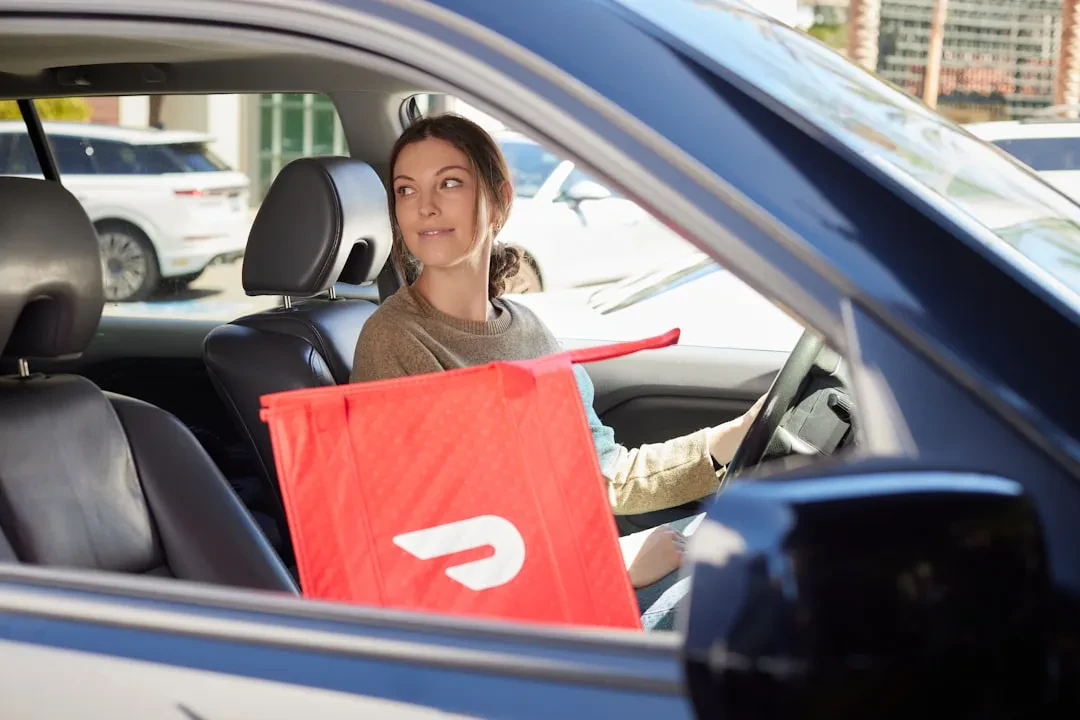
The service, initially tested in select areas and now expanding, allows customers to schedule a home pickup for items they wish to return. Instead of physically going to drop-off points or shipping agents, users can simply hand over their packages to an Uber driver, who will then deliver them directly to the seller or designated logistics hub. This convenience is set to transform the online shopping experience, making the return of a product as effortless as its receipt.
Sponsored Protocol
The impact of this initiative extends far beyond convenience for the end consumer. For online merchants, managing returns often represents a complex and costly challenge. Integrating with Uber's vast driver network offers a scalable and flexible solution capable of handling variable volumes and reducing return processing times. This can translate into improved cash flow and enhanced customer satisfaction, encouraging future purchases. It’s a logical step in Uber's strategic evolution, moving beyond mere passenger transport to fully embrace last-mile logistics.
Assetmaxxing The Era of Resource Optimization
The term 'Assetmaxxing' suggests a strategy focused on maximizing the utilization of existing assets, in this case, Uber's network of vehicles and drivers. By leveraging this widespread infrastructure, the company can offer value-added services that were previously exclusive to large logistics firms. The goal is clearly to create new revenue streams and solidify its position as a multifunctional platform capable of meeting a wide range of mobility and delivery needs. This aligns with broader trends in the technology and AI sectors, where optimization through data analysis and process automation is constantly sought. Similarly, platforms like Palantir aim to optimize corporate strategies through data analysis, albeit with a different focus.
Sponsored Protocol
Future Implications and Challenges
The implications of this new service are profound. It could further accelerate the growth of e-commerce, making online shopping even more appealing. Furthermore, it could spur competition in the logistics sector, pushing other players to innovate and improve their services. However, challenges remain. The scalability of the service, managing unforeseen issues during return transport, and efficient integration with retailers' systems will require careful planning and flawless execution. The security of packages and the training of drivers on these new procedures will be crucial aspects for long-term success. The expansion of similar services, such as Tesla's robotaxis, highlights a trend towards automation and optimization that permeates various sectors of mobility.
Sponsored Protocol
In summary, Uber's introduction of at-home return pickups represents a bold step that redefines expectations in e-commerce and logistics. The Assetmaxxing era has begun, promising greater efficiency and convenience for all parties involved.
Source: https://techcrunch.com/2026/04/19/techcrunch-mobility-uber-enters-its-assetmaxxing-era