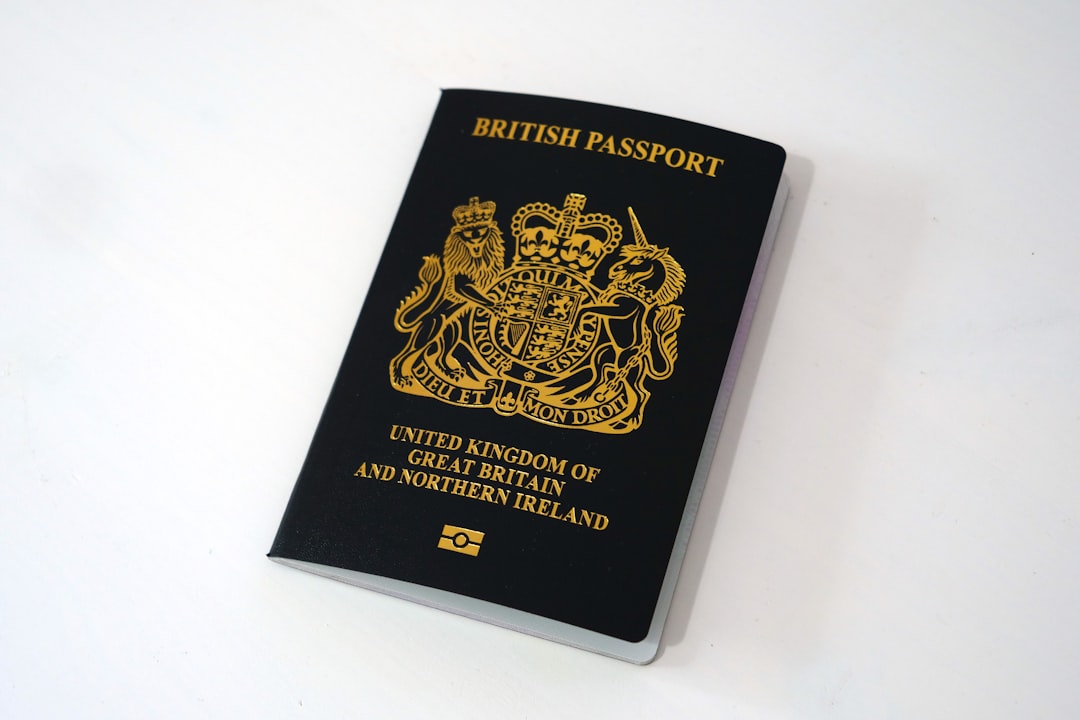
The UK has passed a generational tobacco ban: from 2026, anyone born after 2009 will never be legally allowed to buy tobacco. A historic law, presented as the world's toughest. But the MIT Technology Review article we read raises a concrete doubt: it might not work. Why? Because the hardest part is not writing the law, but enforcing it — and that is where technology comes in.
Consider an online tobacconist (yes, tobacco e-commerce is still legal in the UK). How does it verify the age of a customer ordering from home? Currently, uploads of ID documents or government database checks are used. None are foolproof. In 2024, an investigation showed that 45% of UK tobacco websites accepted payments without serious age verification. Under the new ban, penalties for mistakes become severe — up to business closure. The result? Large platforms will invest in expensive age verification systems (AI, biometrics, blockchain). Small businesses risk disappearing.
Sponsored Protocol
Our position is clear: without a robust digital infrastructure, a progressive law becomes a trap for SMEs.
We, at Meteora Web, see Italian companies every day struggling to implement even basic GDPR compliance. If Italy were to adopt a similar ban — already discussed at the European Parliament — the technical repercussions would be devastating. A tobacco shop owner in a Sicilian town, with annual revenue under €100,000, cannot afford a €10,000 age verification system. And it's not just about cost: user data security would be entrusted to often inadequate providers. We see it in projects that come to us: unprotected forms, plaintext credentials, backups never configured. Rolling out age verification nationwide would multiply these risks across millions of transactions.
Sponsored Protocol
The digital divide is not just about skills, it's also geographic. We work with the territory — Sicily and Southern Italy — and we know that small businesses deserve A-grade technology, not B-grade. If a public policy imposes a tech requirement, it must also fund access to secure and sustainable tools. Otherwise, it's a hidden tax.
The point is not whether the ban is right or wrong. The point is that its effectiveness depends 90% on the quality of the digital infrastructure supporting it. And today, both in the UK and in Europe, we are not ready.