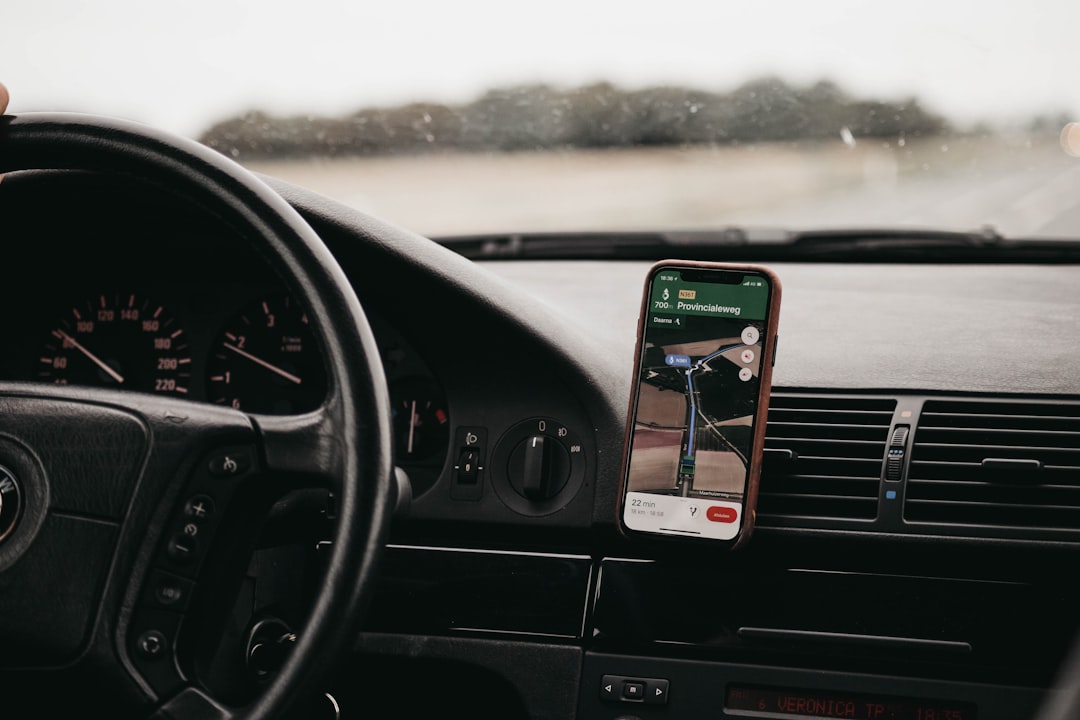
Waze, the Google-owned navigation app, is rolling out new AI-powered features and customization updates. The key addition is the integration of Google's Gemini AI assistant, which powers conversational road updates and personalized route suggestions. This move positions Waze to better compete with rivals like Apple Maps, leveraging AI to enhance the driving experience.
Personalized routes based on trip history and city traffic patterns
Waze now suggests routes by considering both a user's trip history and its understanding of city traffic patterns. For instance, if a user prefers highways over local streets, those will be suggested first. Users who do not want personalized routes can choose alternatives or turn off personalization in settings. The personalized navigation is rolling out globally on Android and iOS. Such data handling requires transparency, reminiscent of how Samsung Health ties data sync to AI training consent—a model that emphasizes user control.
Sponsored Protocol
Gemini-powered destination search
Users can now use Gemini to find their destination via quick chat. When they know what they need but are unsure where to go, tapping the search voice icon lets them ask questions like "Find me a coffee shop that is open right now," "Find me parking close to Grand Mall," or "Find me a gas station nearby with the lowest prices." Waze responds with a list of options. This feature is available to the Waze beta community globally on Android and iOS. The integration reflects Google's broader push to embed Gemini into its products, as noted by sources such as Wikipedia on Google Gemini.
Sponsored Protocol
AI-optimized Motorcycle mode
Waze introduces a new Motorcycle mode that uses AI to account for two-wheeler-specific shortcuts and road restrictions, helping riders find the best route and receive more accurate ETAs. It also highlights hazards tricky for riders, such as potholes, speed bumps, raised crosswalks, shoulder endings, and narrow bridges. Motorcycle mode is launching in Argentina, Brazil, Colombia, Malaysia, Mexico, Peru, and the Philippines on Android and iOS, with more countries to follow.
Conversational reporting of road and map updates
In addition to reporting traffic incidents using natural speech, Waze now allows users to suggest map updates in the same way, including reporting road closures or outdated addresses. For example, saying "The road is closed here" sends details to local map editors. The conversational reporting option is rolling out globally on Android and iOS.
Sponsored Protocol
Less chatty mode for a quieter drive
Waze adds a new "less chatty" mode that minimizes interruptions during drives, letting users focus on music or podcasts. When toggled on, Waze reduces voice prompts and keeps them short. Users still get alerts for hazards and turns, but less frequently. This mode is rolling out globally on Android and iOS. With these updates, Waze demonstrates how AI can make navigation more intuitive and personalized, enhancing the daily commute for millions of drivers.
Source: https://techcrunch.com/2026/07/13/waze-adds-new-ai-powered-features-and-customization-updates