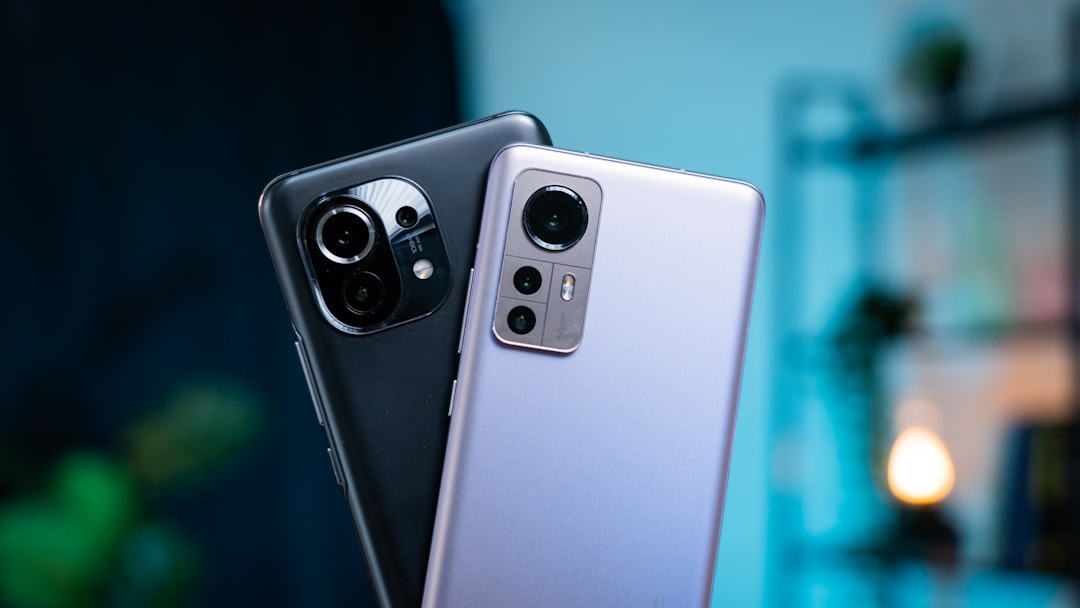
Despite being the world's third largest smartphone vendor with nearly 10% of the global market, Xiaomi devices are almost impossible to find in the United States. Many American consumers mistakenly believe Chinese phones are banned due to geopolitical tensions, but the reality is quite different. Xiaomi was never permanently banned in the US; a brief blacklisting in 2021 was lifted after a few months. The real reason behind Xiaomi's scarce presence in the US market lies in a deliberate corporate strategy and structural commercial barriers.
A brief blacklist episode in 2021
In January 2021, the Trump administration placed Xiaomi on a blacklist over alleged ties to the Chinese military, barring American investors from trading the company's stock. Xiaomi filed a lawsuit, and the Biden administration rescinded the order in May of the same year. Since then, there are no legal obstacles to selling Xiaomi products in the US. However, the incident left a mark: regulatory uncertainty makes a massive investment in the US market risky.
Sponsored Protocol
Low-margin strategy clashes with the US market
Xiaomi built its success on razor-thin margins, often around 5%, offering high-end hardware at competitive prices. This strategy works well in emerging markets where distribution is leaner and advertising costs lower. In the United States, the market is dominated by carriers like Verizon, AT&T, and T-Mobile, which require expensive partnerships and higher margins. Adapting to this model would mean raising prices or squeezing margins further, a difficult feat for a company already operating on low profits. Moreover, competition with Apple and Samsung is fierce, with deeply entrenched brands.
Sponsored Protocol
Xiaomi products available in the US but not phones
American consumers can still buy some Xiaomi products, such as air purifiers, chargers, and home accessories, sold through online channels like Amazon. But smartphones, the company's flagship products, remain absent from the official market. Those who want a Xiaomi 17 Ultra in the US must import it, incurring extra costs and losing local warranty. This absence is not due to bans but to a deliberate business decision to focus on other markets.
Xiaomi's future beyond smartphones
Xiaomi is aggressively pushing into the electric car sector. The SU7 sedan, launched in China at a starting price of around $32,000, is described as competitive with Porsche models. However, entry into the US is blocked by the lack of certifications for American roads. For now, the Xiaomi ecosystem remains an experience for enthusiasts willing to import or travel. Meanwhile, integration with Android and Windows continues to improve: Microsoft recently expanded smartphone-PC synchronization features, as covered in our article on Microsoft deepens Android integration in Windows 11.
Sponsored Protocol
In conclusion, Xiaomi is not banned in the US: it is a strategic choice by the company to avoid a complex and costly market in order to preserve its margins and sales philosophy. American consumers will continue to envy the flagship models sold in China, Europe, and Asia, at least until Xiaomi decides to tackle the US market challenges. For more information, see the Wikipedia page on Xiaomi.
Source: https://www.engadget.com/2210461/why-xiaomi-not-banned-rarely-sold-usa